In the realm of education and communication, content is king. But merely producing content isn't enough; it must be meticulously crafted, engaging, and, above all, effective. This guide delves into the strategies and techniques necessary to create content that resonates with your audience, fostering deeper understanding and driving meaningful action. Whether you're a teacher, a corporate trainer, or a marketing professional, the principles outlined here will empower you to elevate your communication efforts to new heights.
Effective educational content transcends simple information delivery. It's about creating experiences that captivate, inspire, and leave a lasting impact. This requires a strategic approach, understanding your audience's needs, and mastering the art of storytelling. Furthermore, in a world saturated with information, standing out requires innovation and a commitment to delivering value that exceeds expectations. Get ready to unlock the secrets to crafting content that not only informs but also transforms.
This "how-to" guide equips you with the actionable steps to create content that converts readers into engaged learners and active participants. We'll explore the importance of defining your audience, structuring your message for maximum impact, and leveraging multimedia to enhance understanding. Prepare to revolutionize your approach to content creation and unlock the potential for impactful communication.
Step 1: Define Your Audience and Objectives
Before you even begin brainstorming ideas, the most crucial step is to understand precisely who you're talking to and what you aim to achieve. Knowing your audience's demographics, prior knowledge, learning styles, and motivations is paramount. Are you targeting seasoned professionals, students, or the general public? Similarly, clearly define your objectives. What specific knowledge, skills, or behaviors do you want your audience to gain or adopt after engaging with your content? A poorly defined audience or vague objectives will inevitably lead to unfocused and ineffective content. For instance, an explanation of a complex physics concept geared towards high school students will differ significantly from one designed for university graduates.

Step 2: Structure Your Content for Clarity and Impact
A well-structured piece of content is easily digestible and more likely to hold your audience's attention. Begin with a compelling introduction that clearly states the purpose of your content and what the audience can expect to learn. Divide your main message into logical sections with clear headings and subheadings. Employ a hierarchical structure, starting with the most important concepts and gradually building up to more complex details. Use bullet points, numbered lists, and visual aids to break up large blocks of text and enhance readability. Conclude with a summary of key takeaways and a call to action, encouraging the audience to apply what they've learned. Ignoring structural clarity can lead to audience frustration and comprehension difficulties. For example, jumping directly into detailed explanations without providing context can confuse readers and hinder their ability to grasp the core concepts.

Step 3: Craft Compelling and Engaging Content
The key to holding your audience's attention lies in creating content that is both informative and engaging. Use storytelling techniques, real-world examples, and relatable anecdotes to illustrate your points and make the material more memorable. Inject humor where appropriate, but always maintain a professional tone. Vary your writing style to keep things fresh and avoid monotony. Employ active voice and strong verbs to create a sense of dynamism. Ask thought-provoking questions to stimulate critical thinking. Simply presenting facts and figures without context or narrative can result in disengaged readers who quickly lose interest. Imagine trying to teach history without telling the stories of the people who lived it; the information would be dry and uninspiring.

Step 4: Leverage Multimedia to Enhance Understanding
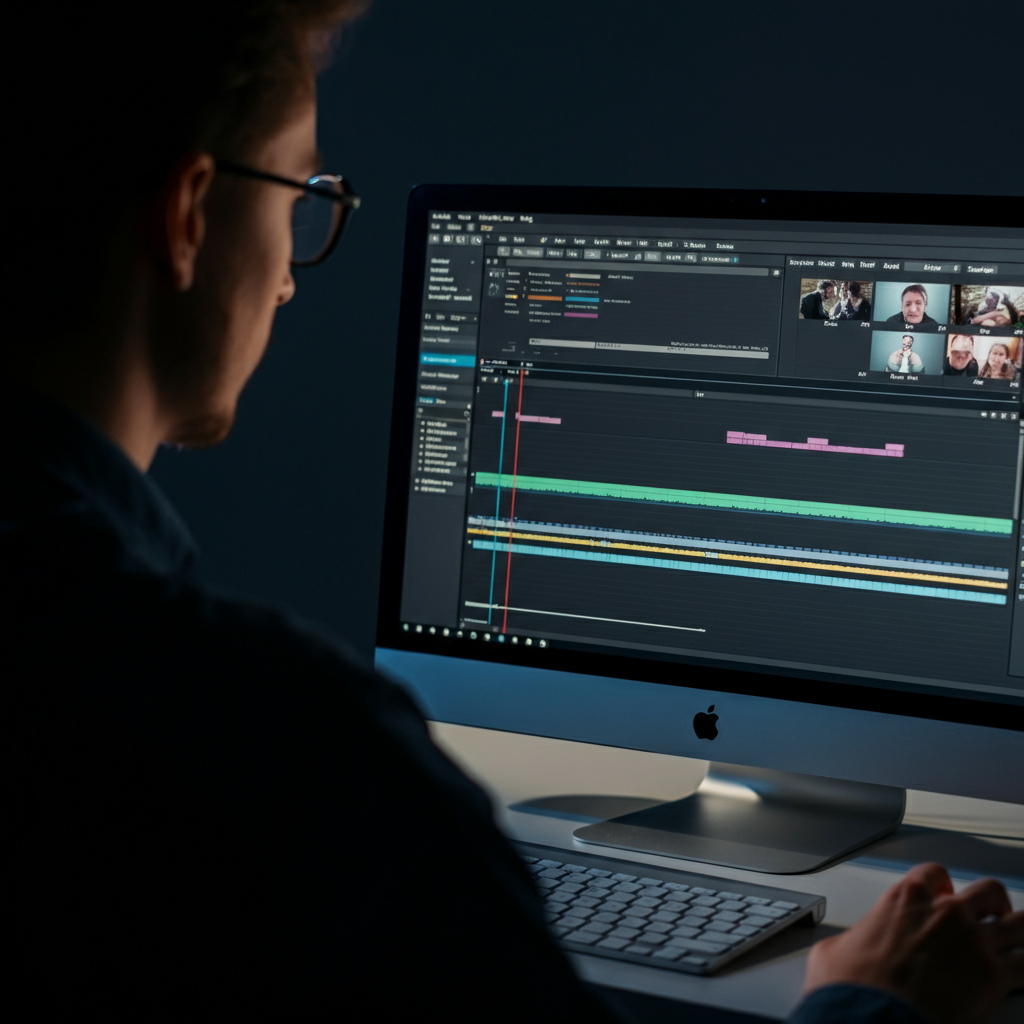
Visual and auditory elements can significantly enhance comprehension and retention. Incorporate images, videos, infographics, and audio clips to complement your text and provide alternative ways for your audience to engage with the material. Ensure that all multimedia elements are relevant to your content and of high quality. Avoid using excessive or distracting visuals that detract from the main message. Consider adding interactive elements, such as quizzes or polls, to encourage active participation. Relying solely on text can limit engagement and hinder comprehension for visual and auditory learners. For example, a complex scientific process might be much easier to understand when presented as an animated video.
Step 5: Optimize for Accessibility and Inclusivity
Ensure that your content is accessible to all members of your audience, including those with disabilities. Provide captions for videos, transcripts for audio clips, and alt text for images. Use clear and concise language, avoiding jargon and technical terms that may be unfamiliar to some readers. Consider the diversity of your audience and strive to create content that is inclusive and respectful of different cultures and backgrounds. Ignoring accessibility can exclude a significant portion of your audience and undermine your message. For instance, failing to provide captions for videos makes them inaccessible to individuals who are deaf or hard of hearing.

Step 6: Test and Refine Your Content
Before publishing your content, it's essential to test it with a small group of representative users. Gather feedback on clarity, engagement, and overall effectiveness. Use analytics tools to track metrics such as page views, time on page, and bounce rate. Analyze the data to identify areas for improvement. Be willing to revise and refine your content based on the feedback you receive. Failing to test and refine your content can result in delivering a message that is confusing, ineffective, or even offensive. Consider a marketing campaign that is released without testing its effectiveness with a focus group; it may completely miss the mark.

Pro Tips
- Use a consistent brand voice and style.
- Promote your content through multiple channels.
- Engage with your audience in the comments section.
- Keep your content up-to-date and relevant.
- Don't be afraid to experiment with new formats and approaches.
FAQ Section
Q: How long should my content be?
A: The ideal length depends on the topic and your audience's attention span. Aim for conciseness while providing sufficient detail.
Q: How often should I publish new content?
A: Consistency is key. Establish a regular publishing schedule that you can maintain.
Q: What are some good tools for creating visual content?
A: Canva, Adobe Spark, and Piktochart are popular options for creating infographics, presentations, and social media graphics.
Conclusion
Crafting killer content for education and communication requires a strategic and thoughtful approach. By understanding your audience, structuring your message effectively, leveraging multimedia, and prioritizing accessibility, you can create content that engages, informs, and inspires. Remember to continuously test and refine your work to ensure that it meets the needs of your audience and achieves your objectives. With dedication and a commitment to excellence, you can unlock the power of content to transform learning and communication.