In the realms of education and communication, the ability to craft compelling narratives is paramount. A well-told story can bridge understanding, foster empathy, and ignite action far more effectively than dry facts and figures ever could. This guide provides a step-by-step approach to mastering the art of narrative, tailored specifically for educators and communicators aiming to make a lasting impact.
Whether you're designing a lesson plan, crafting a persuasive presentation, or developing a public awareness campaign, the principles of storytelling remain constant. By understanding the core elements of a strong narrative and applying them strategically, you can transform information into an engaging and memorable experience for your audience. This guide will equip you with the knowledge and skills to become a more effective storyteller and, ultimately, a more impactful communicator.
Learning to communicate through stories is a powerful tool. It builds connections, increases understanding, and fosters a deeper level of engagement. Let's embark on this journey to discover the art of narrative.
Step 1: Define Your Objective and Audience
Before you even begin to think about plot or characters, you must clearly define your objective. What is the core message you want to convey? What specific action do you want your audience to take, or what belief do you want them to adopt? Next, deeply understand your audience. What are their existing knowledge, beliefs, and biases? What motivates them? Tailoring your narrative to resonate with your audience is crucial for achieving your objective. A story that works for elementary school students will likely fall flat with university professors, and vice versa.

Step 2: Identify Your Core Narrative Elements
Every compelling narrative needs certain fundamental elements: a protagonist (the central character), a conflict (the challenge or problem the protagonist faces), a journey (the process of overcoming the conflict), and a resolution (the outcome of the journey). Think about how these elements will manifest in your story. Who is the 'protagonist' in your educational context? Is it a student overcoming a learning obstacle, a community rallying to solve a local issue, or an individual grappling with a difficult ethical dilemma? The conflict should be relatable and engaging, and the journey should offer insights and lessons learned.

Step 3: Craft a Compelling Opening
The opening of your narrative is your opportunity to grab your audience's attention and establish a connection. Start with a hook – a surprising fact, a provocative question, a relatable anecdote, or a captivating image. Avoid lengthy introductions or unnecessary background information. Get straight to the heart of the story and create a sense of intrigue that compels your audience to listen, read, or watch further. The opening should clearly signal the theme and tone of your narrative.

Step 4: Develop Engaging Characters
Even in educational and communication contexts, characters can breathe life into your narrative. Your characters should be relatable, even if they are not entirely likeable. Give them quirks, flaws, and motivations that make them feel human. Show, don't tell, your audience about their personalities. Use dialogue, actions, and internal monologues to reveal their character traits. Consider using archetypes to quickly establish a character's role, but be sure to add unique details that make them memorable.

Step 5: Build Tension and Suspense
To keep your audience engaged, create tension and suspense throughout your narrative. Introduce obstacles and challenges that the protagonist must overcome. Raise the stakes to create a sense of urgency. Use foreshadowing to hint at future events and create anticipation. Don't resolve the conflict too quickly; allow the tension to build gradually, culminating in a satisfying climax.

Step 6: Structure Your Narrative Effectively
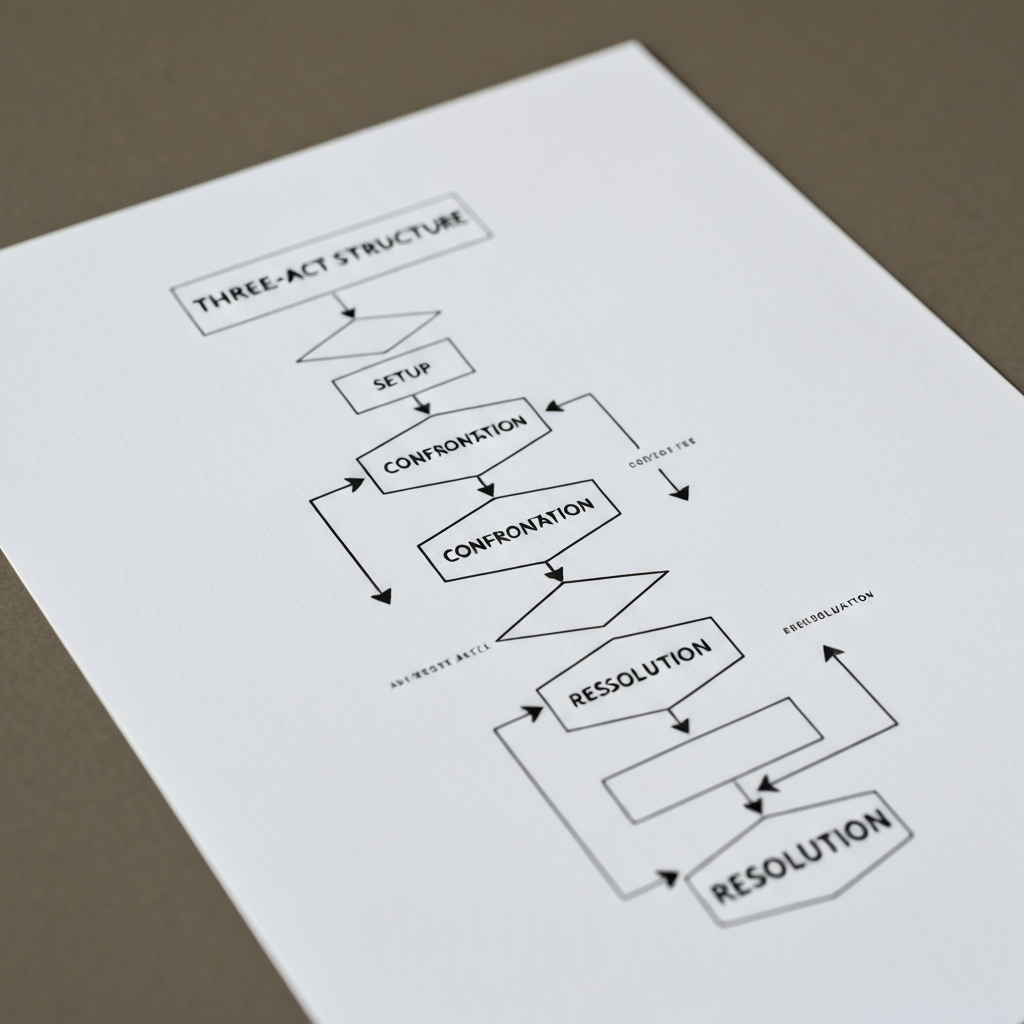
A well-structured narrative follows a clear and logical progression. A common and effective structure is the classic three-act structure: setup, confrontation, and resolution. In the setup, introduce the protagonist, the setting, and the initial conflict. In the confrontation, the protagonist faces increasing challenges and setbacks. In the resolution, the protagonist overcomes the conflict, learns a valuable lesson, and experiences a transformation. Ensure that each act builds upon the previous one, creating a cohesive and compelling story.
Step 7: Craft a Memorable Conclusion
The conclusion of your narrative should leave a lasting impression on your audience. Summarize the key message, reinforce the call to action, and leave your audience with a sense of hope, inspiration, or resolution. Avoid abrupt endings or unresolved storylines. The conclusion should feel like a natural culmination of the events that have transpired, leaving your audience feeling satisfied and fulfilled.

Common Mistakes to Avoid
- Rushing the Plot: Allow the story to unfold naturally. Don't try to cram too much information into a short period.
- Weak Character Development: Invest time in creating believable and relatable characters.
- Ignoring the Audience: Tailor your narrative to the specific needs and interests of your audience.
- Lack of Clarity: Ensure that your message is clear and easily understood.
- Forgetting the 'Why': Always keep your objective in mind and ensure that the narrative serves that purpose.
Pro Tips
- Use sensory details: Engage your audience's senses by using vivid descriptions of sights, sounds, smells, tastes, and textures.
- Incorporate humor: A touch of humor can make your narrative more engaging and memorable.
- Practice your delivery: If you're presenting your narrative orally, practice your delivery to ensure that you speak clearly and confidently.
- Get feedback: Share your narrative with others and ask for their honest feedback.
FAQ Section
Q: How long should my narrative be?
A: The length of your narrative will depend on the context and your audience's attention span. Shorter narratives are generally more effective for capturing and maintaining attention.
Q: How can I make my narrative more relatable?
A: Use real-life examples, relatable characters, and universal themes to connect with your audience on a personal level.
Q: What if I'm not a natural storyteller?
A: Storytelling is a skill that can be learned and developed with practice. Use the tips and techniques outlined in this guide to improve your storytelling abilities.
Q: Can I use data and statistics in my narrative?
A: Yes, but use them sparingly and in a way that supports your story. Don't overwhelm your audience with numbers. Instead, focus on using data to illustrate a point or add credibility to your narrative.
Conclusion
Mastering the art of crafting compelling narratives is an invaluable skill for educators and communicators. By understanding the core elements of a strong story, tailoring your message to your audience, and practicing your delivery, you can transform information into an engaging and memorable experience. Embrace the power of storytelling to connect with your audience on a deeper level, inspire action, and make a lasting impact. Remember, the most effective narratives are those that are authentic, relatable, and purposeful.