Family life, while rewarding, can often feel like navigating a whirlwind of activities, responsibilities, and emotions. From managing schedules to resolving conflicts and simply finding time for connection, the daily grind can leave you feeling overwhelmed and disconnected. But it doesn't have to be this way. With a few simple strategies, you can transform the chaotic energy into a more peaceful and fulfilling experience for everyone.
The key to a happier family life isn't about eliminating all the challenges – that's simply unrealistic. Instead, it's about creating structures and habits that help you manage those challenges more effectively. It's about fostering communication, building routines, and prioritizing what truly matters: connection and well-being. This guide provides practical, actionable steps to help you reclaim control and cultivate a more joyful and harmonious home environment.
These aren't overnight solutions, but rather a set of consistent practices that, over time, will significantly improve your family's dynamics. Embrace the journey, be patient with yourselves, and celebrate the small victories along the way. A happier family life is within your reach.
Step 1: Establish Consistent Routines
Routines provide a sense of predictability and security, especially for children. They minimize decision fatigue and create a framework for the day, reducing stress and promoting cooperation. Consider implementing routines for mornings, mealtimes, and bedtimes. A solid morning routine, for example, can start the day calmly instead of with frantic rushing.

Practical Details:
- Start small: Don't try to overhaul everything at once. Focus on one routine area at a time.
- Involve everyone: Get family members involved in creating the routines. This increases buy-in and ownership.
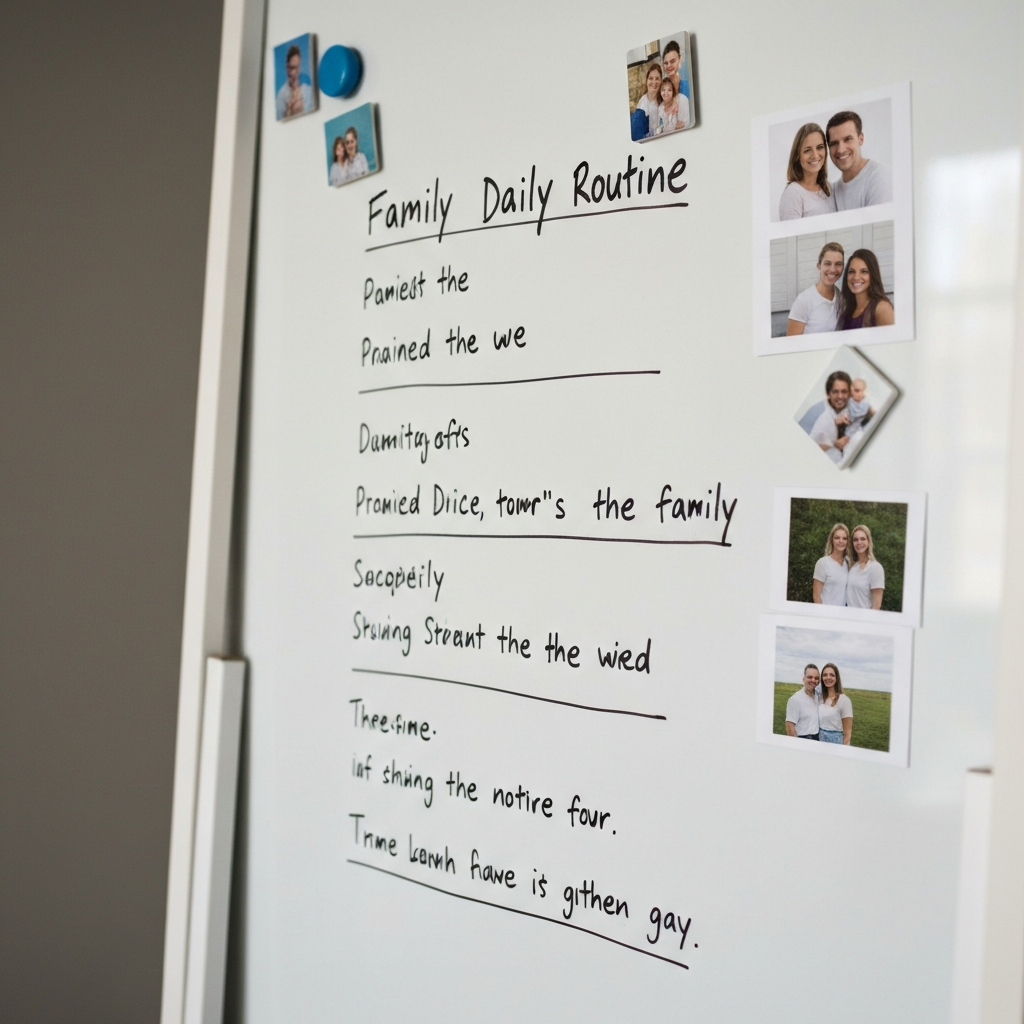
- Write it down: Post the routine where everyone can see it. Visual reminders are helpful, especially for younger children.
- Be flexible: Life happens. Don't be afraid to adjust the routine as needed, but strive to maintain consistency as much as possible.
Common Mistakes to Avoid:
- Being too rigid: Overly strict routines can backfire and create resentment. Allow for some flexibility and spontaneity.
- Not being consistent: Routines only work if they are followed consistently.
Step 2: Schedule Dedicated Family Time
In today's busy world, it's easy to let family time slip away. However, dedicated family time is crucial for building strong bonds and creating lasting memories. This time should be free from distractions like phones and work, allowing everyone to truly connect and engage with one another. This could be anything from a weekly game night to a daily walk after dinner.

Practical Details:
- Put it on the calendar: Treat family time like any other important appointment. Schedule it in advance and protect it fiercely.
- Choose activities everyone enjoys: Rotate activity choices to ensure everyone feels heard and valued.
- Be present: Put away your phones and other distractions. Focus on being fully present with your family.
- Keep it simple: Family time doesn't have to be elaborate or expensive. Simple activities like reading together or going for a walk can be just as meaningful.
Pro Tips:
- Use family time to discuss important issues or address concerns. This can create a safe space for open communication.
- Create traditions around family time. This can add a sense of anticipation and excitement.

Step 3: Practice Active Listening and Communication
Effective communication is the cornerstone of any healthy relationship, including family relationships. This involves not only expressing your own thoughts and feelings clearly but also actively listening to and understanding the perspectives of others. Active listening means paying attention, making eye contact, and reflecting back what you've heard to ensure understanding.

Practical Details:
- Create a safe space for communication: Encourage family members to share their thoughts and feelings without fear of judgment or criticism.
- Use "I" statements: Express your own feelings using "I" statements, such as "I feel frustrated when..." instead of "You always...".
- Practice empathy: Try to understand the other person's perspective, even if you don't agree with it.
- Avoid interrupting: Let the other person finish speaking before you respond.
Common Mistakes to Avoid:
- Criticizing or blaming: This shuts down communication and creates defensiveness.
- Not listening actively: Simply waiting for your turn to speak is not active listening.

Step 4: Delegate Responsibilities and Share the Load
When one person carries the majority of the household responsibilities, it can lead to burnout and resentment. Delegating responsibilities and sharing the load not only lightens the burden on the individual but also teaches children valuable life skills and promotes a sense of teamwork within the family. Start by identifying tasks that can be delegated and then assign them to family members based on their age and abilities.
Practical Details:
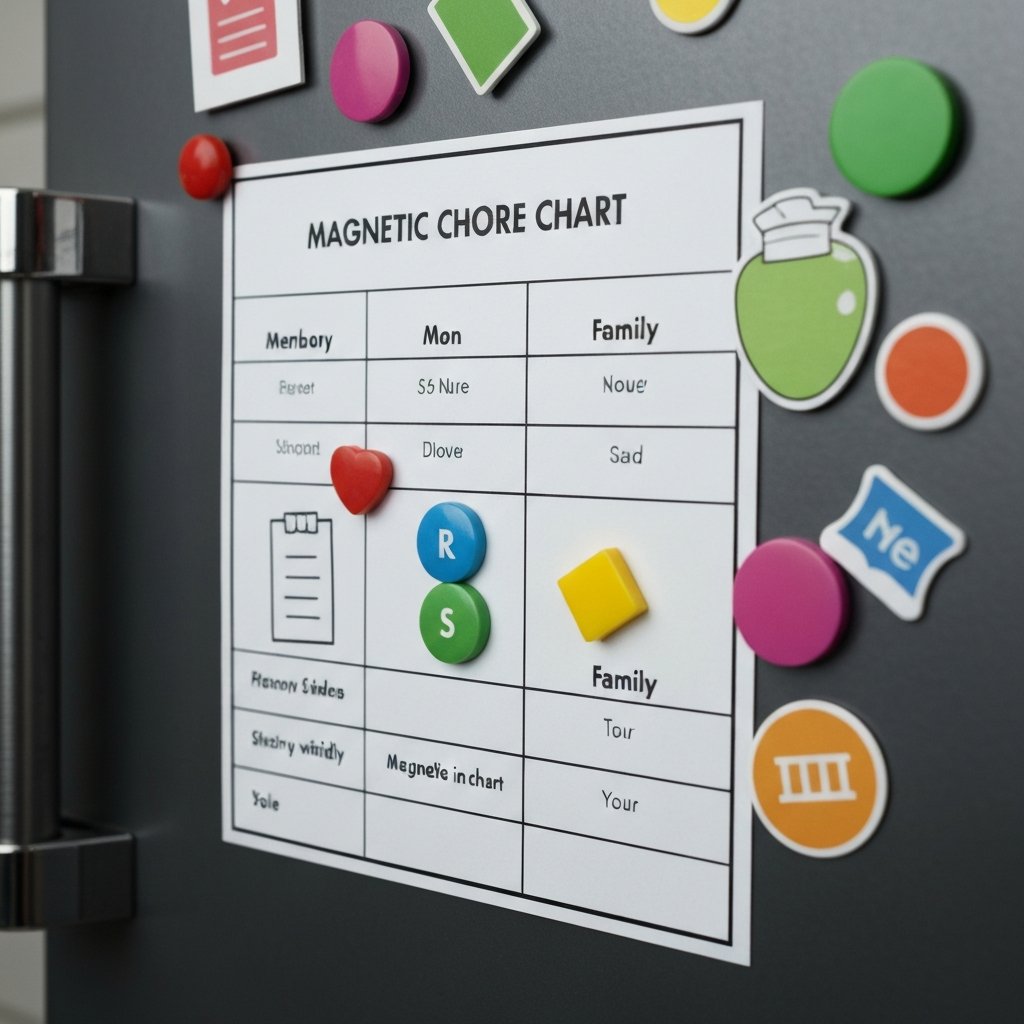
- Create a chore chart: This can help keep track of who is responsible for what.
- Rotate chores: This ensures that everyone learns to do different tasks and prevents boredom.
- Make it age-appropriate: Assign tasks that are appropriate for each family member's age and abilities.
- Be patient: It may take time for family members to learn new tasks, so be patient and offer encouragement.
Tools or Materials Required:
- Chore chart (physical or digital)
Step 5: Practice Self-Care
It's impossible to pour from an empty cup. Taking care of yourself is not selfish; it's essential for your well-being and your ability to care for your family. Make time for activities that recharge you, whether it's reading a book, taking a bath, exercising, or spending time with friends. Prioritize your own needs so that you can be the best version of yourself for your family.
Practical Details:
- Schedule self-care activities: Just like family time, put self-care activities on your calendar.
- Start small: Even 15-20 minutes of self-care can make a difference.
- Don't feel guilty: Taking care of yourself is not a luxury; it's a necessity.
- Ask for help: Don't be afraid to ask your partner, family, or friends for help so you can take some time for yourself.
Safety Considerations:
- Ensure children are properly supervised when engaging in self-care activities.
FAQ Section
- Q: What if my kids resist the new routines?
- A: Resistance is normal. Be patient, explain the benefits of the routines, and involve them in the process of creating them. Offer rewards for following the routines.
- Q: We are a single-parent family. How can I delegate responsibilities?
- A: Even in a single-parent family, children can contribute to household chores and responsibilities. Adjust the tasks based on their age and abilities.
- Q: How do we handle conflicts effectively?
- A: Teach your children conflict-resolution skills, such as active listening, compromise, and finding mutually agreeable solutions. Model these skills yourself.
- Q: What if we don't have time for dedicated family time?
- A: Even small pockets of time can make a difference. Try having dinner together, reading a book aloud, or going for a walk after dinner.
Conclusion
Creating a happier family life is an ongoing journey, not a destination. By implementing consistent routines, scheduling dedicated family time, practicing active listening and communication, delegating responsibilities, and prioritizing self-care, you can cultivate a more peaceful, harmonious, and fulfilling home environment. Remember to be patient, flexible, and celebrate the small victories along the way. The key is to focus on connection, communication, and creating a supportive environment where everyone can thrive.