The family home should be a sanctuary, a place of comfort and connection. But for many, it's more often a battleground of clutter, noise, and constant demands. The good news is, it doesn't have to be this way. Cultivating a calm and organized home environment is achievable with intention, consistency, and a few strategic adjustments. This guide provides a practical roadmap to transforming your chaotic household into a haven of peace.
Imagine a home where mornings aren't a frantic rush, evenings are spent connecting instead of cleaning, and weekends are truly restful. It’s a realistic goal, one that starts with shifting your mindset and implementing simple, sustainable strategies. These aren't quick fixes, but rather long-term habits that, when adopted by the whole family, create a positive ripple effect throughout your lives.
This guide will walk you through practical steps to declutter your physical space, establish routines that bring order to your days, and foster a family dynamic that supports calm and cooperation. Get ready to reclaim your home and your sanity!
Step 1: Assess the Current State
Identify Chaos Hotspots
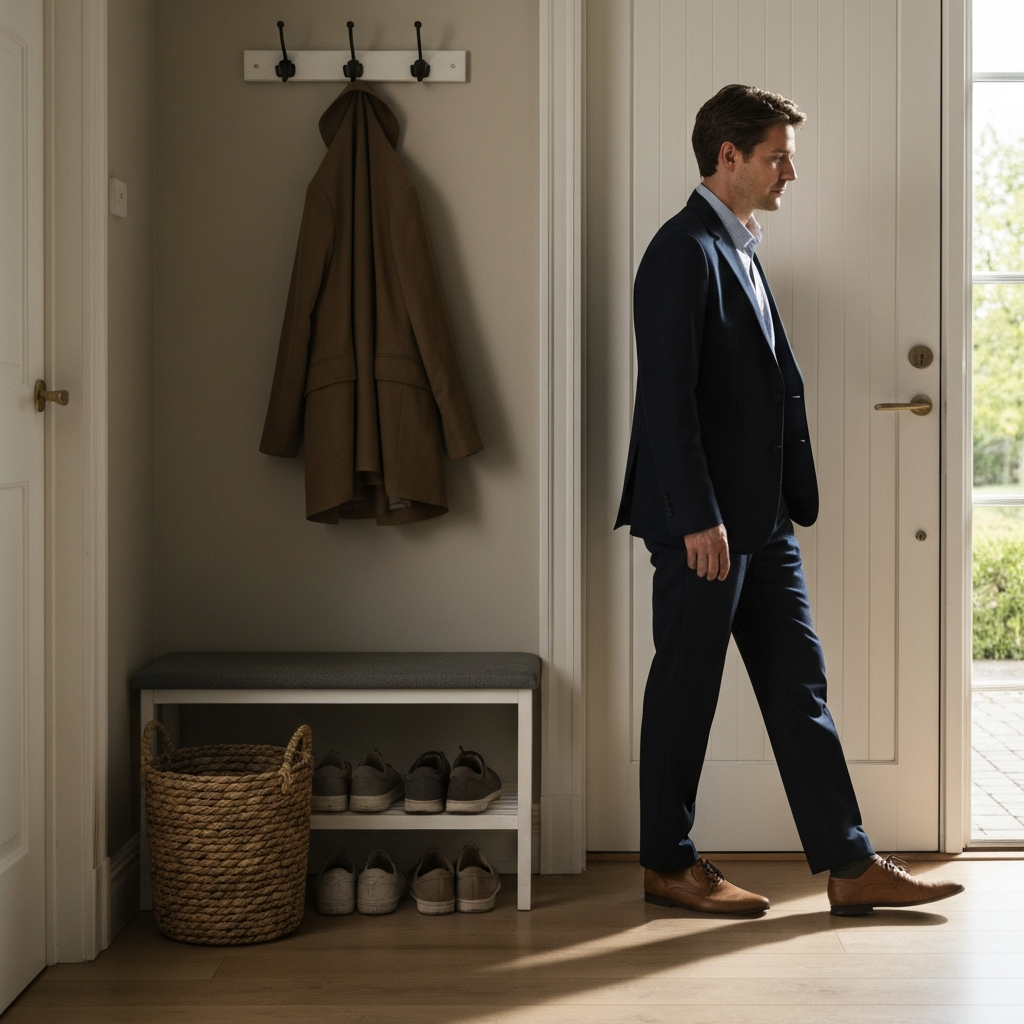
Before you can fix the problem, you need to understand it. Take an honest inventory of your home and pinpoint the areas that consistently contribute to stress and disorganization. This could be the entryway overflowing with shoes and coats, the kitchen counters piled high with mail and appliances, or the playroom that resembles a toy explosion. Observe your family's patterns and identify the root causes of the chaos in each area. Is it a lack of storage, poor habits, or simply too much stuff?
Step 2: Declutter Ruthlessly
The Great Purge
Decluttering is the foundation of a calm home. It's not just about tidying up; it's about getting rid of anything that doesn't serve a purpose or bring you joy. Start with one area at a time and follow the "one in, one out" rule. For every new item you bring into the house, commit to removing something similar. Be honest with yourself about what you truly need and use. Items you haven't used in six months? Donate, sell, or discard. Sentimental items that cause clutter? Carefully curate a few special keepsakes and let go of the rest.

Step 3: Establish Organizational Systems
A Place for Everything, and Everything in Its Place
Once you've decluttered, create designated storage solutions for everything in your home. Invest in shelving, bins, baskets, and other organizational tools that suit your space and style. Label everything clearly so that everyone in the family knows where things belong. Teach children (and remind adults!) to put things back immediately after use. The goal is to create a system that is easy to maintain and promotes a sense of order.

Step 4: Create Daily and Weekly Routines
Rhythm and Flow
Routines bring structure and predictability to your days, reducing stress and improving efficiency. Establish consistent morning and evening routines for everyone in the family, including chores, meal preparation, and bedtime rituals. Create a weekly cleaning schedule and involve everyone in the process. A little bit of daily maintenance goes a long way in preventing chaos from building up.

Step 5: Designate Quiet Zones
Sanctuaries of Serenity
In the midst of a busy household, it's essential to have designated quiet zones where family members can retreat for rest and relaxation. This could be a reading nook, a meditation corner, or simply a comfortable chair in a quiet room. Encourage family members to use these spaces to de-stress, recharge, and practice mindfulness. Set clear boundaries for these zones to ensure that they remain peaceful and undisturbed.

Step 6: Minimize Noise and Visual Stimuli
A Feast for the Senses? Or Sensory Overload?
Excessive noise and visual clutter can contribute to stress and anxiety. Be mindful of the sensory environment in your home and take steps to minimize distractions. Turn off the TV when it's not being watched, reduce the volume of music, and declutter surfaces to create a more visually calming space. Consider incorporating natural elements, such as plants and natural light, to create a more soothing atmosphere.
Step 7: Practice Mindfulness and Gratitude
The Power of Presence
Cultivating a calm home is not just about physical organization; it's also about fostering a peaceful state of mind. Encourage family members to practice mindfulness and gratitude on a daily basis. This could involve taking a few moments each day to focus on their breath, appreciating the simple things in life, or expressing gratitude to one another. A positive and appreciative mindset can transform the atmosphere of your home.

Tools or Materials Required
- Storage bins and baskets
- Shelving units
- Label maker
- Cleaning supplies
- Decluttering checklist
- Calendar or planner
Common Mistakes to Avoid
- Trying to do too much at once
- Not involving the whole family
- Lack of consistency
- Holding onto items out of guilt or obligation
- Failing to maintain the organizational systems
Pro Tips
- Set realistic goals and celebrate small victories.
- Don't be afraid to ask for help from family, friends, or professional organizers.
- Make decluttering and organizing a fun and engaging activity for the whole family.
- Remember that creating a calm home is an ongoing process, not a one-time event.
FAQ Section
Q: How do I get my kids to participate in decluttering?
A: Make it a game! Turn on music, offer rewards, and focus on small, manageable tasks. Let them choose which toys to donate and emphasize the joy of giving to others.
Q: What if my spouse isn't on board with decluttering?
A: Start by decluttering your own belongings and leading by example. Communicate your vision for a calmer home and focus on the benefits for the whole family. Be patient and respectful of their boundaries.
Q: How do I maintain a clutter-free home with young children?
A: Establish clear rules for toy storage and involve your children in cleanup routines. Rotate toys regularly to prevent overwhelm and make decluttering a part of your regular routine.
Conclusion
Conquering chaos and cultivating calm in your family home is a journey, not a destination. By implementing these practical steps, you can transform your household into a haven of peace, connection, and well-being. Remember to be patient with yourself and your family, and celebrate the progress you make along the way. A calm home is a happy home!