A solid budget is the bedrock of any successful business. It's more than just numbers; it's a roadmap that guides your decisions, helps you anticipate challenges, and ensures your resources are allocated effectively. But a budget built on shaky foundations can crumble under pressure. This guide provides a structured, 30-day plan to fortify your business budget, making it resilient and reliable, capable of withstanding economic fluctuations and unforeseen circumstances.
The next month offers an opportunity to meticulously examine your finances, identify vulnerabilities, and implement strategies to strengthen your budget. It's about taking proactive steps to safeguard your financial stability and position your business for sustainable growth. Forget last-minute scrambling; this is about building a framework for consistent financial health.
This isn't just about cutting costs; it's about optimizing your financial strategy, understanding your key performance indicators, and making informed decisions that will drive your business forward. Are you ready to take control and bulletproof your business budget? Let's begin.
Step 1: Comprehensive Expense Audit
Uncover Hidden Spending Leaks
The first step in bulletproofing your budget is to conduct a thorough expense audit. Go through every single expenditure from the past year, classifying each transaction into relevant categories. This isn't just a superficial review; dig deep. Examine bank statements, credit card bills, receipts, and any other financial records you have available. Look for recurring subscriptions you might have forgotten about, unnecessary spending, and areas where you can potentially negotiate better rates.
Categorize these expenses as fixed (rent, salaries) or variable (marketing, supplies). Understanding the nature of your expenses allows you to identify which are easily controlled and which require more strategic adjustments. Potential mistakes include relying on summary reports instead of detailed transaction records and neglecting to account for one-off expenses that might be hiding patterns of inefficiency. A comprehensive audit is tedious but essential.

Step 2: Revenue Stream Analysis
Identify Your Most Profitable Products/Services
Now that you understand your expenses, it's time to analyze your revenue streams. Determine which products or services are generating the most profit and which ones are underperforming. Analyze sales data, customer feedback, and market trends to gain a clear picture of your revenue sources. Don't just look at total revenue; analyze profitability margins for each offering. This will help you identify areas where you can focus your efforts and resources for maximum return.
Consider factors such as customer acquisition cost, cost of goods sold, and average transaction value for each product or service. Identify customers who are the most profitable, and create an incentive program geared towards them. A common mistake is assuming that high revenue automatically equates to high profit. Some revenue streams might be costing you more than they're worth. Review market trends to see if current offerings need to be adjusted to the changing landscape.

Step 3: Zero-Based Budgeting Implementation
Start from Scratch
Zero-based budgeting (ZBB) is a powerful technique that requires you to justify every expense from scratch, rather than simply adjusting last year's budget. Each line item must be approved for the new budget cycle. This forces you to critically evaluate the necessity and efficiency of every expenditure. Start by listing all essential expenses required to operate the business, then justify additional expenses based on their potential return on investment.
ZBB can be time-consuming, but it offers a fresh perspective on your spending habits and helps identify areas where you can significantly reduce costs. Potential drawbacks include the time investment and the potential for internal resistance, as employees may need to justify their budget requests. Don’t let internal pushback derail your efforts. Focus on the long-term benefits of a leaner, more efficient budget.

Step 4: Cash Flow Forecasting
Predict Future Cash Needs
Cash flow is the lifeblood of any business. Accurately forecasting your cash flow is crucial for anticipating potential shortages and making informed financial decisions. Create a 12-month cash flow forecast, projecting your expected income and expenses on a monthly basis. This will help you identify periods where you might experience cash flow challenges and allow you to plan accordingly.
Consider factors such as seasonality, payment terms with customers and suppliers, and potential economic fluctuations. Regularly update your forecast as new information becomes available and compare it to actual results to identify discrepancies and improve accuracy. Don’t overestimate your income or underestimate your expenses. Be conservative in your projections to avoid unpleasant surprises. Consider different scenarios, including best-case, worst-case, and most likely scenarios, to prepare for various possibilities.
Step 5: Establish Key Performance Indicators (KPIs)
Track What Matters
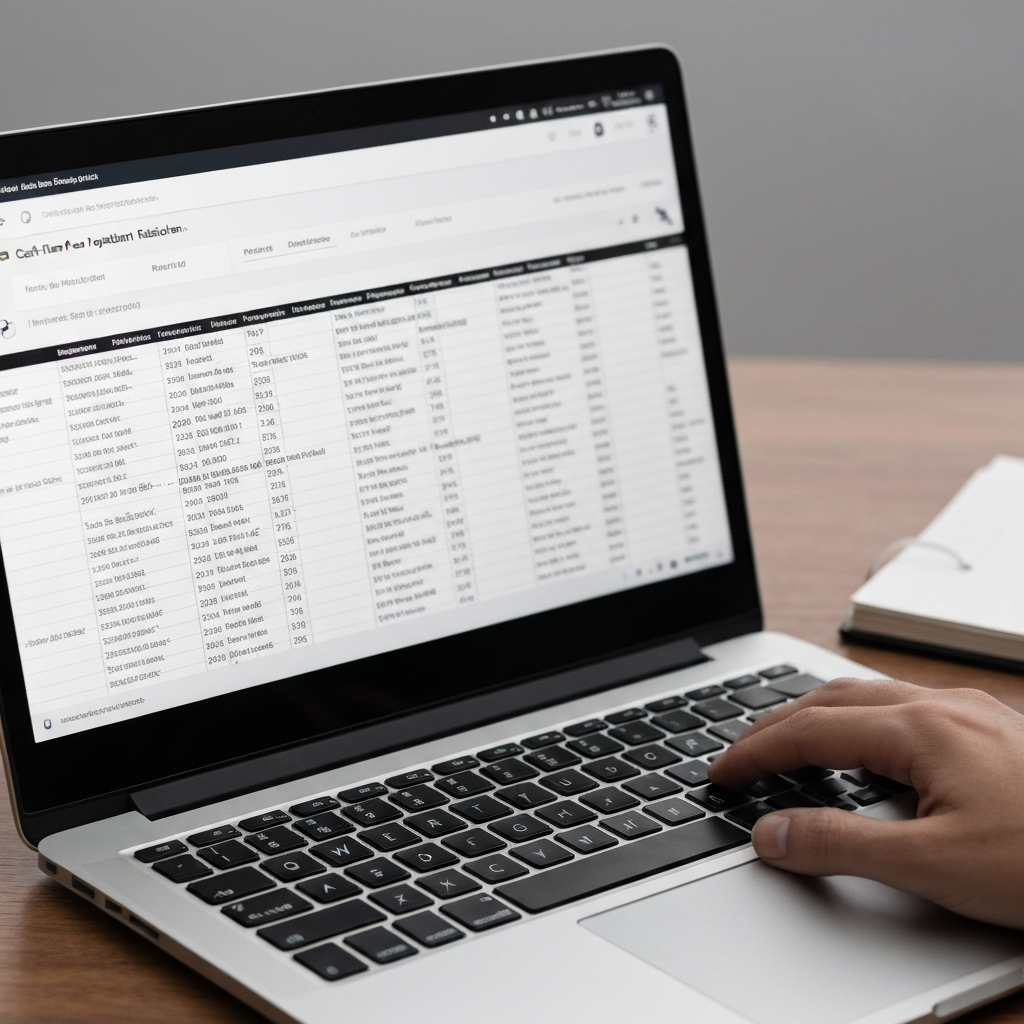
Key Performance Indicators (KPIs) are metrics that help you track the progress of your business and identify areas where you need to improve. Choose KPIs that are relevant to your specific business goals and monitor them regularly. Examples include revenue growth, profit margin, customer acquisition cost, and customer retention rate. By tracking these metrics, you can gain valuable insights into your financial performance and make data-driven decisions.
Regularly review your KPIs and compare them to industry benchmarks to assess your performance relative to your competitors. Don’t choose too many KPIs, or you'll be overwhelmed with data. Focus on the metrics that are most critical to your business's success. Make sure your KPIs are measurable and actionable, so you can easily track progress and make adjustments as needed.

Step 6: Negotiate with Suppliers and Vendors
Reduce Your Costs
One of the quickest ways to improve your budget is to negotiate better rates with your suppliers and vendors. Don't be afraid to ask for discounts, payment terms extensions, or other concessions. Research alternative suppliers and vendors to see if you can find better deals. Even small savings can add up over time.
Consider consolidating your purchases with a single supplier to leverage volume discounts. Always maintain a good relationship with your suppliers, as this can make negotiations easier. Don’t be afraid to walk away if you can’t get a better deal. However, don’t compromise on quality or service for the sake of saving a few dollars. Ensure new suppliers meet the standards you expect.

Step 7: Automate Financial Processes
Increase Efficiency
Automating your financial processes can save you time and money by reducing manual errors and increasing efficiency. Implement accounting software, online payment systems, and other tools to streamline your financial operations. Automate tasks such as invoice generation, bill payments, and bank reconciliations. This frees up your time to focus on more strategic initiatives.
Consider the cost of implementing and maintaining these systems, but weigh it against the potential savings in time and labor. Don’t implement automation without proper training and understanding of the software. Ensure your financial data is secure when using online tools. Back up your data regularly to protect against loss.

Step 8: Build an Emergency Fund
Prepare for the Unexpected
An emergency fund is essential for weathering unexpected financial storms. Aim to have at least 3-6 months of operating expenses saved in a readily accessible account. This will provide a cushion in case of unexpected revenue shortfalls, equipment breakdowns, or other emergencies. Treat this fund as a sacred resource and only use it for true emergencies.
Gradually build up your emergency fund by setting aside a percentage of your profits each month. Don’t deplete your emergency fund for non-essential expenses. Replenish the fund as quickly as possible after using it. This ensures you’re always prepared for the unforeseen. This will allow you to remain self sufficient.

Step 9: Debt Management Strategies
Reduce Interest Costs
High debt levels can strain your budget and limit your financial flexibility. Develop a debt management strategy to reduce your outstanding debt and minimize interest costs. Consider consolidating your debts into a lower-interest loan or line of credit. Prioritize paying off high-interest debts first.
Negotiate with your creditors to lower your interest rates or extend your repayment terms. Avoid taking on new debt unless it’s absolutely necessary and has a clear return on investment. Don’t ignore your debt; address it proactively. A well-managed debt portfolio frees up cash flow for reinvestment.
Step 10: Regular Budget Review and Adjustment
Stay on Track
Your budget is not a static document; it should be reviewed and adjusted regularly to reflect changes in your business and the economic environment. Schedule a monthly budget review to compare your actual performance against your budgeted targets. Identify any discrepancies and make adjustments as needed. Continuously look for ways to improve your budget and optimize your financial performance.
Be prepared to make tough decisions if necessary, such as cutting expenses or increasing prices. Don’t be afraid to seek professional advice from an accountant or financial advisor. Adaptability is essential for maintaining a bulletproof budget. Regularly review and adjust your budget to stay on track and achieve your financial goals.
Tools or Materials Required
- Accounting Software (e.g., QuickBooks, Xero)
- Spreadsheet Software (e.g., Microsoft Excel, Google Sheets)
- Bank Statements and Credit Card Bills
- Receipts and Invoices
- Financial Reports (e.g., Profit and Loss Statement, Balance Sheet)
Common Mistakes to Avoid
- Failing to track all expenses
- Underestimating expenses and overestimating revenue
- Not regularly reviewing and adjusting the budget
- Ignoring cash flow forecasts
- Neglecting to build an emergency fund
Pro Tips
- Use historical data to inform your budgeting decisions.
- Involve key stakeholders in the budgeting process.
- Set realistic and achievable financial goals.
- Monitor your progress regularly and make adjustments as needed.
- Seek professional advice when necessary.
FAQ Section
- What if I don't have 3-6 months of operating expenses for an emergency fund?
- Start small! Even setting aside a small amount each month can make a big difference over time. Aim to gradually increase your contributions until you reach your target.
- How often should I review my budget?
- At a minimum, review your budget monthly. However, you may need to review it more frequently if your business is experiencing significant changes or challenges.
- What's the best way to reduce expenses?
- Start by identifying areas where you're overspending or where you can negotiate better rates. Consider cutting unnecessary expenses and streamlining your operations.
By following these steps and dedicating the next 30 days to strengthening your financial foundation, you can create a budget that is not only robust but also a powerful tool for achieving your business goals. A bulletproof budget provides the stability, flexibility, and control needed to navigate any economic climate and position your business for long-term success.