Embarking on a fitness journey can be transformative, but gym memberships can be expensive and inconvenient. Building a home gym offers a personalized and cost-effective alternative, allowing you to tailor your workout space to your specific needs and schedule. The thought of setting up a home gym might seem daunting, especially if you're on a budget. However, with careful planning and smart choices, you can create a functional and motivating workout environment without breaking the bank.
This guide provides a step-by-step approach to building a budget-friendly home gym that empowers you to achieve your fitness goals. We'll explore essential equipment, cost-saving strategies, and space optimization techniques to help you create a workout haven that fits your lifestyle. Remember, consistency is key to achieving your goals, and a well-equipped home gym can provide the perfect environment for sustained progress.
By following these guidelines, you’ll avoid common pitfalls and learn how to make smart investments. Building a home gym is more than just acquiring equipment; it's about investing in your health and well-being. Let's get started!
Step 1: Assess Your Space and Fitness Goals
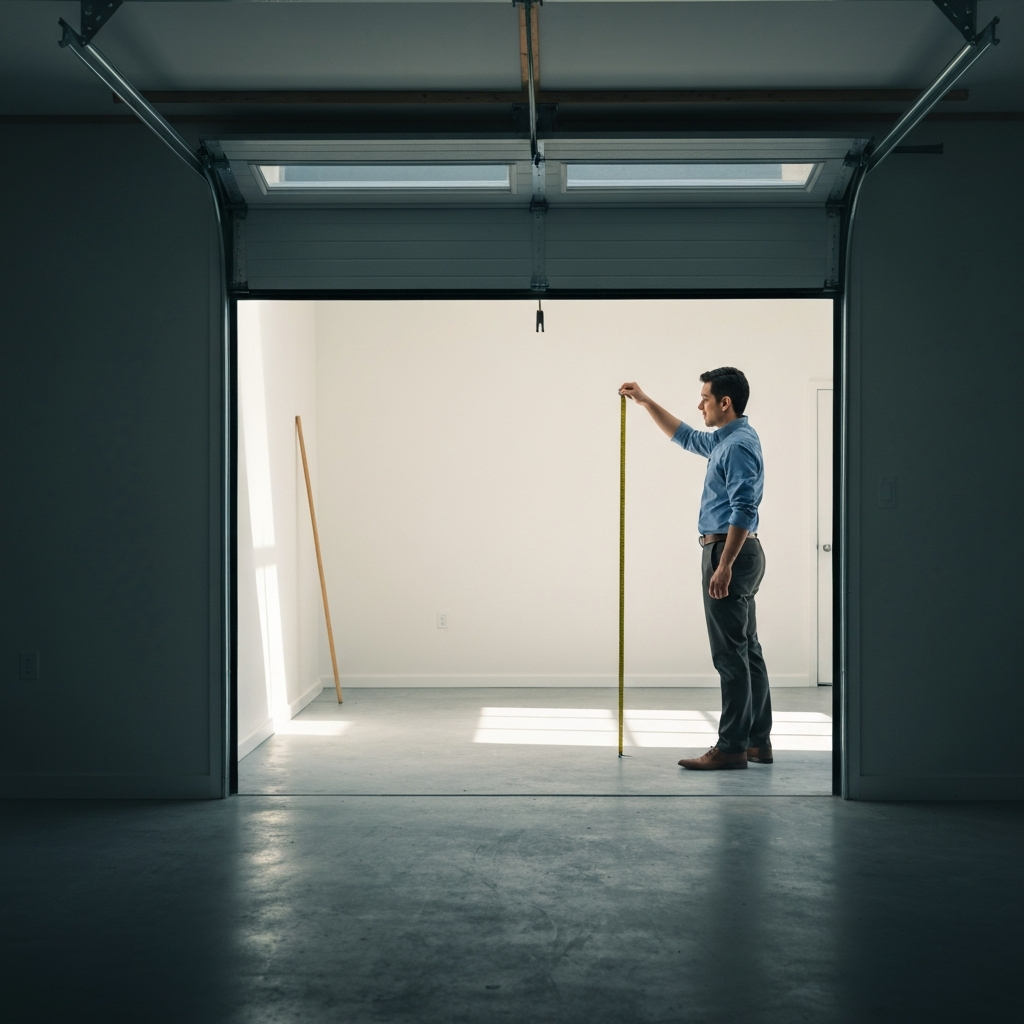
Before you start buying equipment, take a good look at the space you plan to use for your gym. Consider its dimensions, flooring, and lighting. Proper space assessment is crucial for optimal functionality and safety. Then, define your fitness goals. Are you primarily focused on strength training, cardio, yoga, or a combination? Your goals will dictate the type of equipment you need.
Step 2: Prioritize Essential Equipment
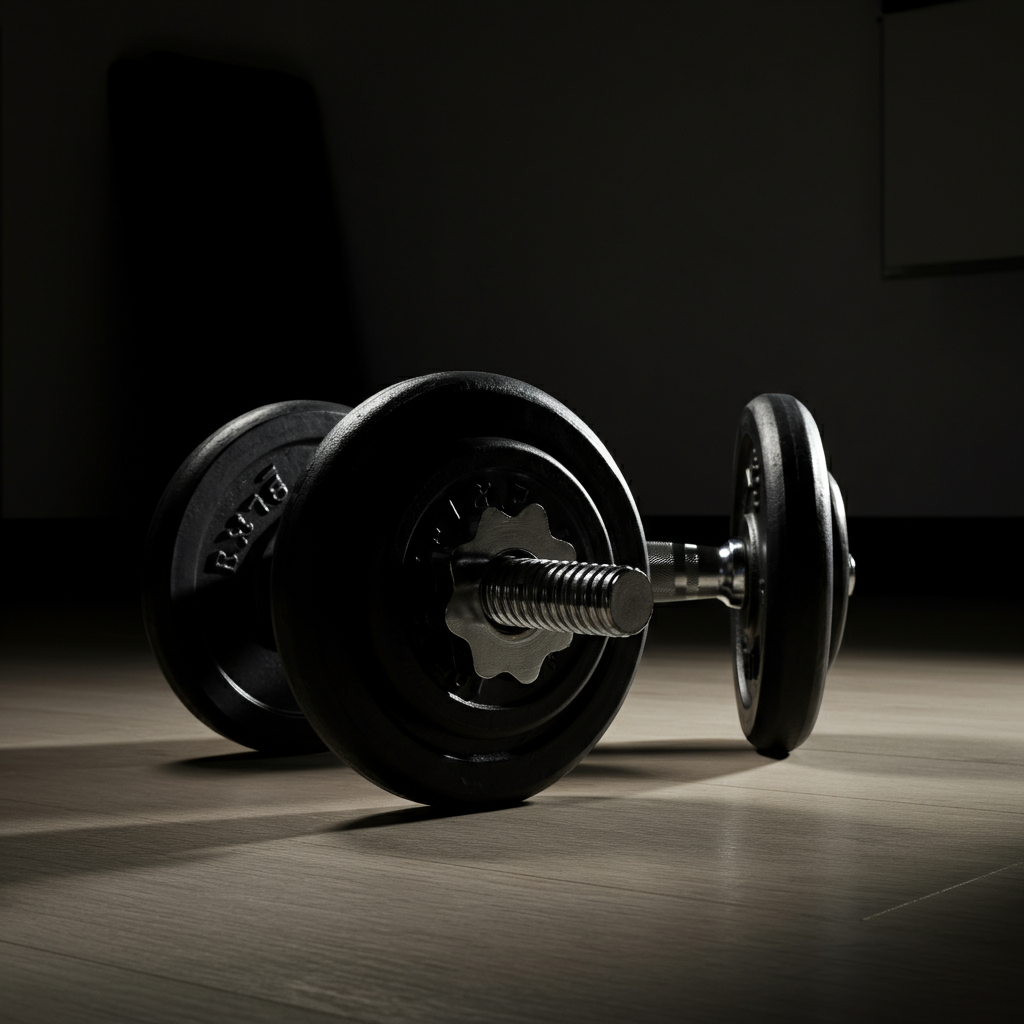
It's tempting to buy everything at once, but starting with the essentials will save you money and prevent clutter. Focus on versatile equipment that allows you to perform a variety of exercises. Good starting points include adjustable dumbbells, resistance bands, a yoga mat, and a jump rope. If you're primarily focused on cardio, consider a used treadmill or stationary bike.
Step 3: Shop Smart for Deals and Used Equipment
New equipment can be expensive, so explore alternative options like online marketplaces (Facebook Marketplace, Craigslist), local classifieds, and sporting goods stores' clearance sections. You can often find gently used equipment at a fraction of the retail price. Inspect used equipment carefully for signs of wear and tear before purchasing. Negotiation is often possible, so don't be afraid to haggle for a better price.

Step 4: Consider Bodyweight Exercises and DIY Options
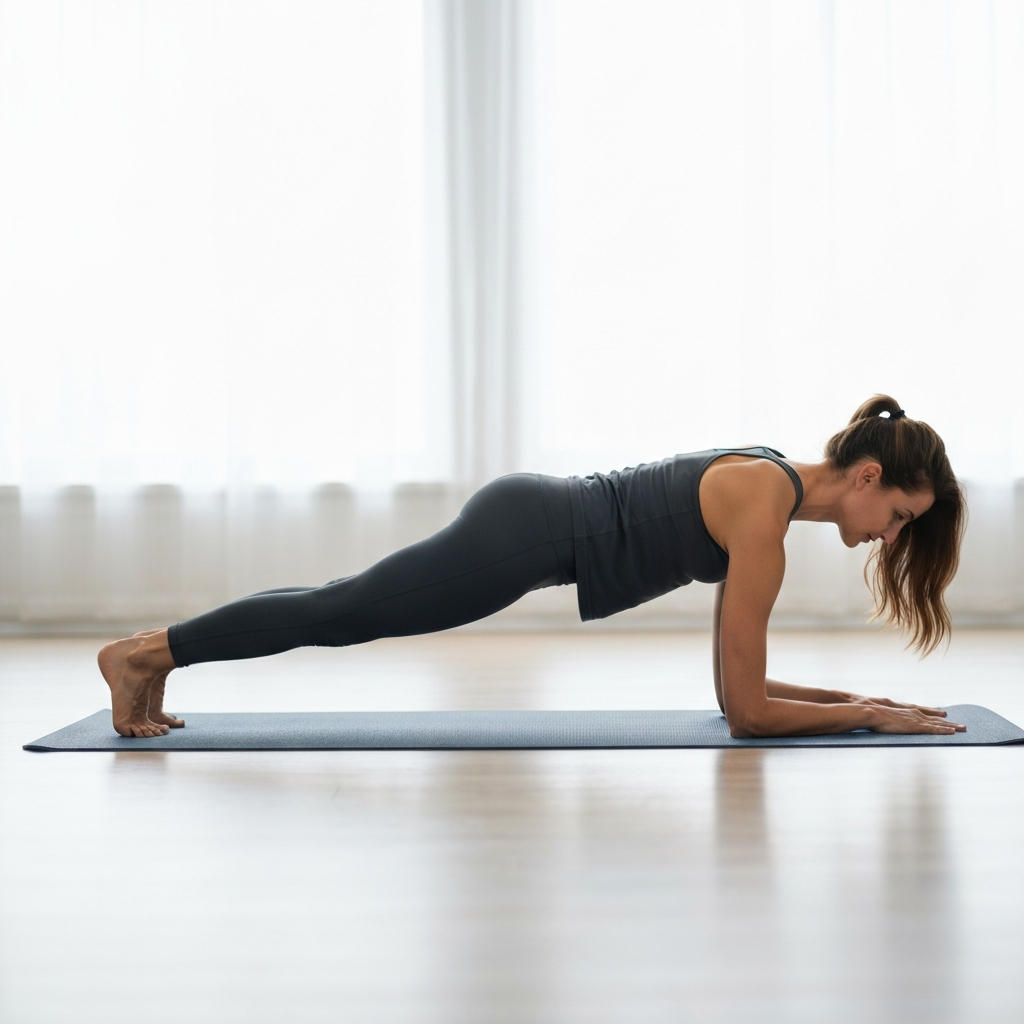
Don't underestimate the power of bodyweight exercises. Squats, push-ups, planks, and lunges require no equipment and can be highly effective. You can also create your own equipment. DIY projects can save you a significant amount of money. For example, fill milk jugs with water or sand to create makeshift weights, or build a pull-up bar from sturdy pipes.
Step 5: Optimize Your Space and Stay Organized
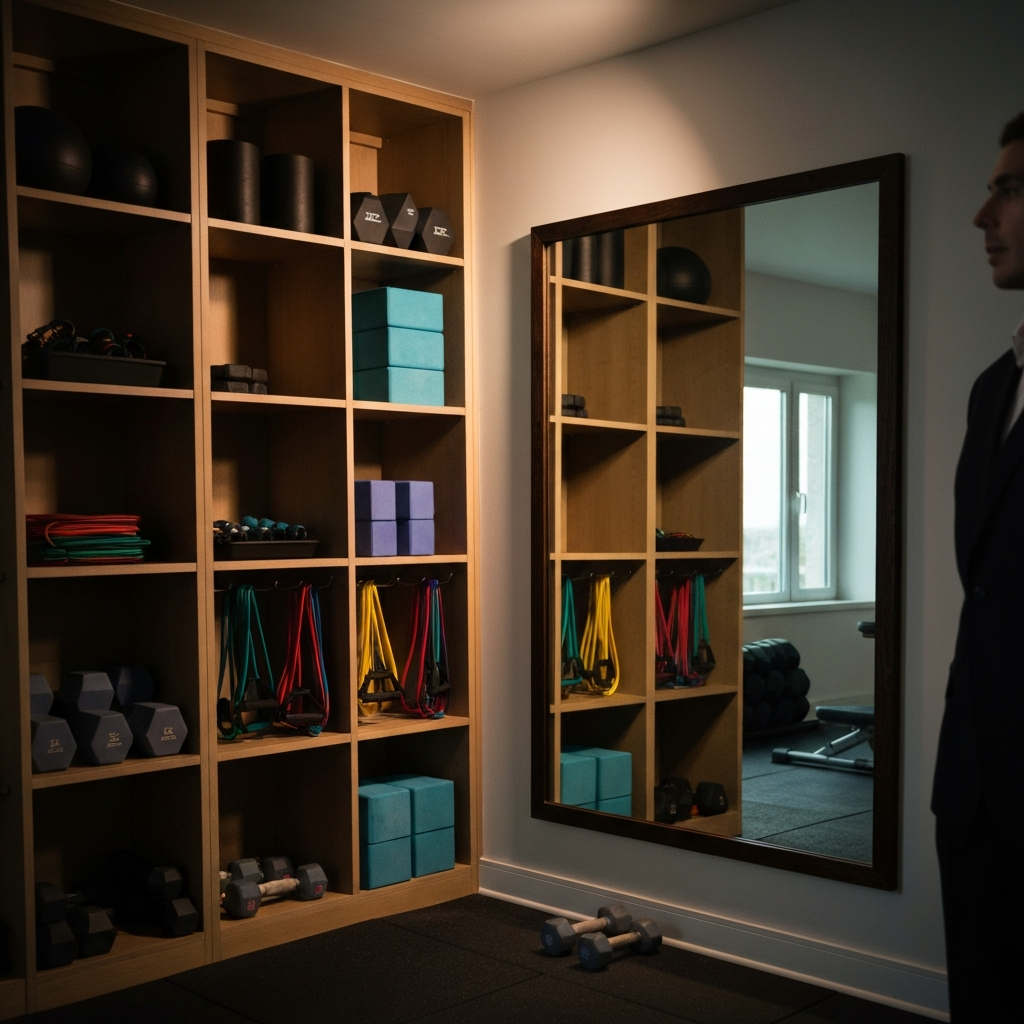
Even a small space can function as a great home gym if you optimize it effectively. Use vertical storage solutions like shelves or wall-mounted racks to keep equipment organized and off the floor. A clean and organized space promotes motivation and prevents accidents. Consider installing mirrors to improve your form and make the space feel larger.
Safety Considerations
Before starting any new exercise program, consult with your doctor, especially if you have any underlying health conditions. Ensure your workout area is well-lit and free of obstructions. Always use proper form when exercising to prevent injuries. Prioritize safety over speed or weight. If you're unsure about proper form, watch instructional videos or consult with a certified personal trainer.
FAQ Section
Q: What is the most essential piece of equipment for a beginner?
A: Adjustable dumbbells and resistance bands are excellent starting points, as they allow you to perform a wide range of exercises and can be adapted to different fitness levels.
Q: How can I stay motivated to work out at home?
A: Set realistic goals, create a workout schedule, track your progress, and reward yourself for achieving milestones. Consider working out with a friend or family member for added accountability.
Q: What if I have limited space?
A: Focus on bodyweight exercises and compact equipment like resistance bands and a yoga mat. Utilize vertical storage solutions to maximize space.
Conclusion
Building a home gym on a budget is entirely achievable with careful planning and resourceful choices. By prioritizing essential equipment, shopping smart for deals, utilizing bodyweight exercises, and optimizing your space, you can create a functional and motivating workout environment. Remember that consistency and dedication are the keys to crushing your fitness goals, regardless of the size or cost of your gym. Embrace the journey and enjoy the benefits of a personalized and accessible workout space.