Creating a home environment that fosters joy, connection, and lasting memories is a goal for many families. But transforming your house into a "family fortress of fun" can feel overwhelming. Where do you start? How do you balance excitement with functionality and, crucially, maintain your sanity amidst the chaos? This guide provides a step-by-step approach to crafting a fun-filled home that works for everyone, minimizing stress and maximizing happiness.
We'll explore strategies for incorporating playful elements, creating dedicated spaces for different activities, and establishing routines that promote both independence and togetherness. The key is to focus on incremental changes, involving the whole family in the process, and prioritizing experiences over material possessions. By following these guidelines, you can cultivate a home where laughter echoes through the halls, creativity thrives, and lasting family bonds are forged.
Ready to begin your transformation? Let's dive in!
Step 1: Define Your Family's "Fun Profile"
Identifying Shared Interests and Passions
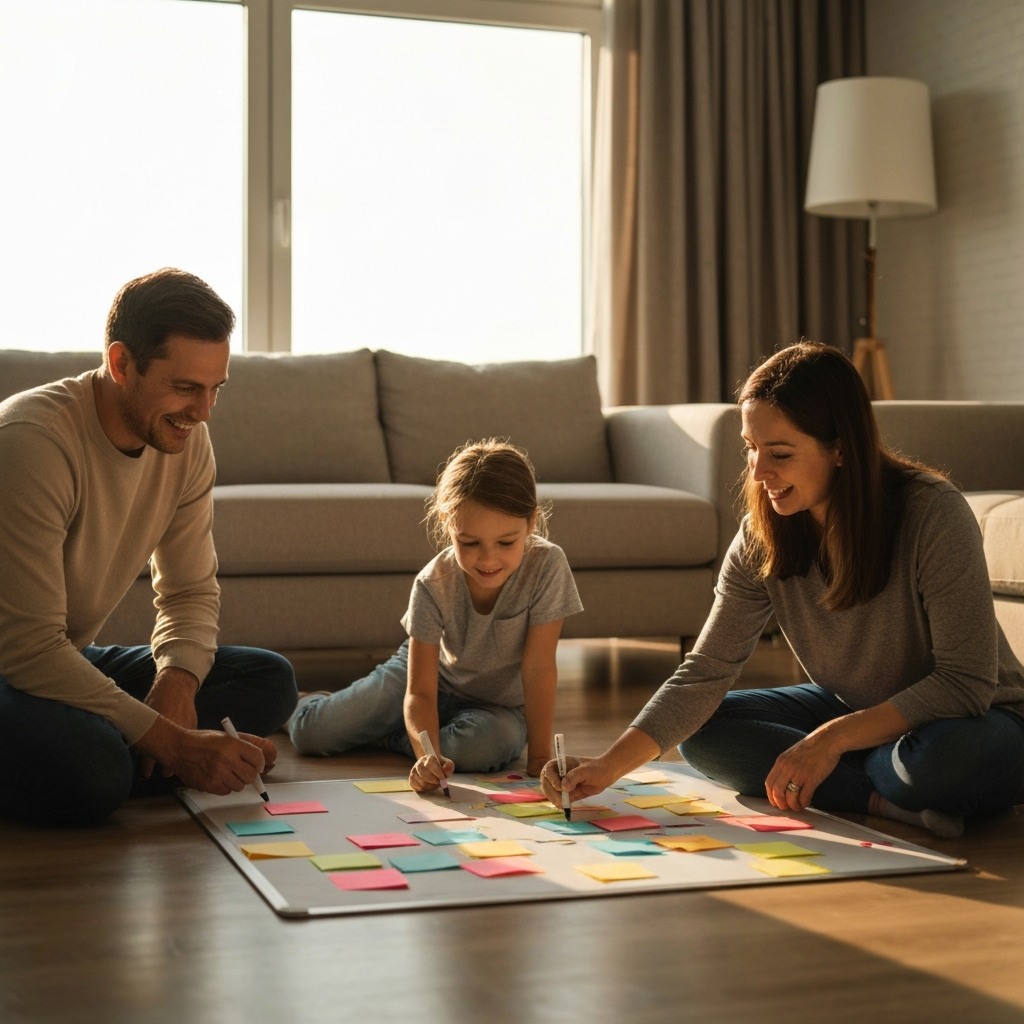
Before you start buying games or rearranging furniture, take the time to understand what "fun" means to your family. This involves open communication and a willingness to explore different interests. Hold a family meeting (perhaps over a fun dinner!) and brainstorm activities that everyone enjoys or would like to try. Consider individual preferences, age ranges, and physical capabilities.
Practical Details: Create a list of potential activities, ranking them by enthusiasm level. Be open to trying new things, even if they seem initially daunting. Real-World Considerations: Remember that children's interests change rapidly. Be prepared to adapt your "fun profile" as they grow and develop. Potential Mistakes: Don't assume you know what your family enjoys. Actively listen and encourage everyone to share their ideas without judgment.
Step 2: Designate Zones of Play
Creating Spaces for Different Activities
Once you have a sense of your family's fun profile, it's time to think about how to allocate space within your home. Ideally, you'll have dedicated zones for different activities, such as reading, crafting, playing games, and exercising. These zones don't need to be large or elaborate; even a small corner of a room can be transformed into a cozy reading nook or a creative workstation.
Practical Details: Use existing furniture and décor to define the zones. Consider multi-functional furniture, such as a coffee table that can be used for games or a bookshelf that doubles as a room divider. Real-World Considerations: Space is often limited. Prioritize the activities that your family engages in most frequently. Potential Mistakes: Don't overcrowd the zones. Leave plenty of room for movement and storage.
Step 3: Embrace Creative Storage Solutions
Keeping the Fun Contained (and Accessible)
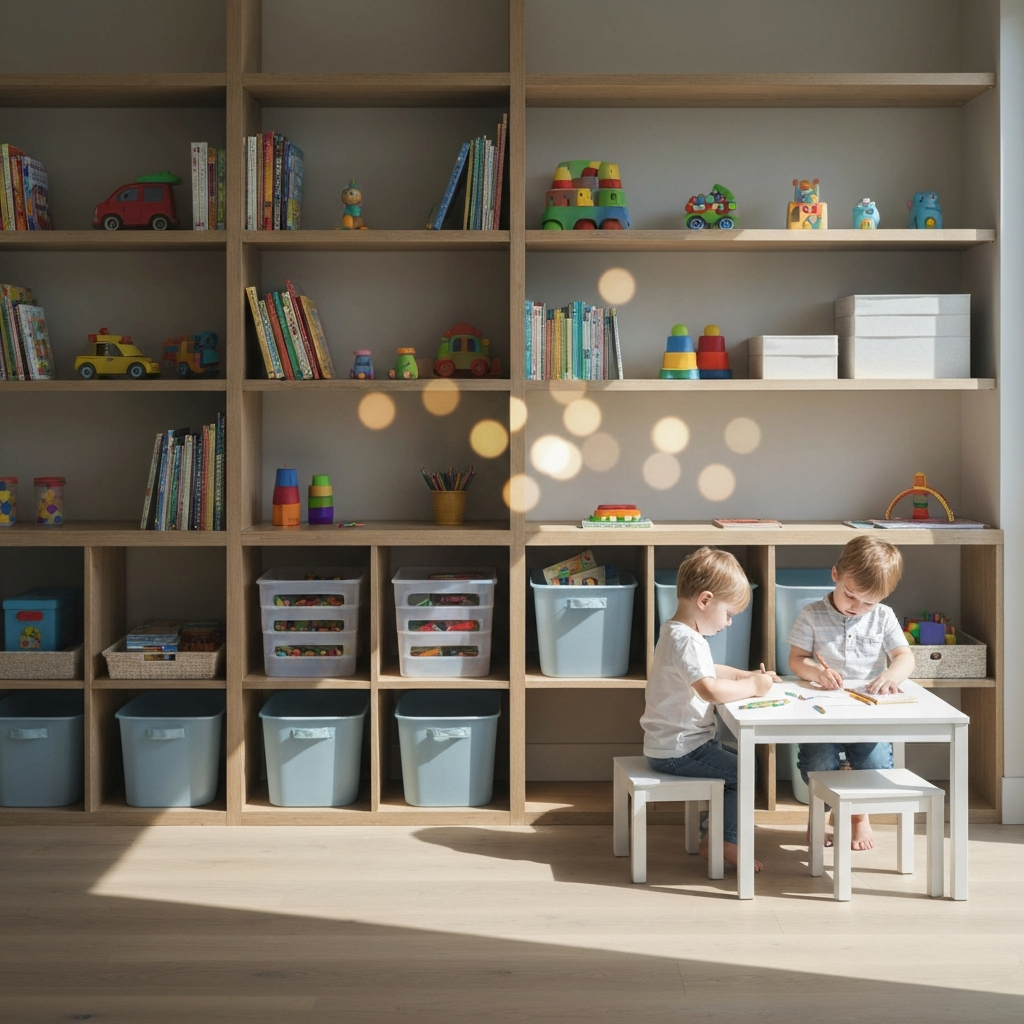
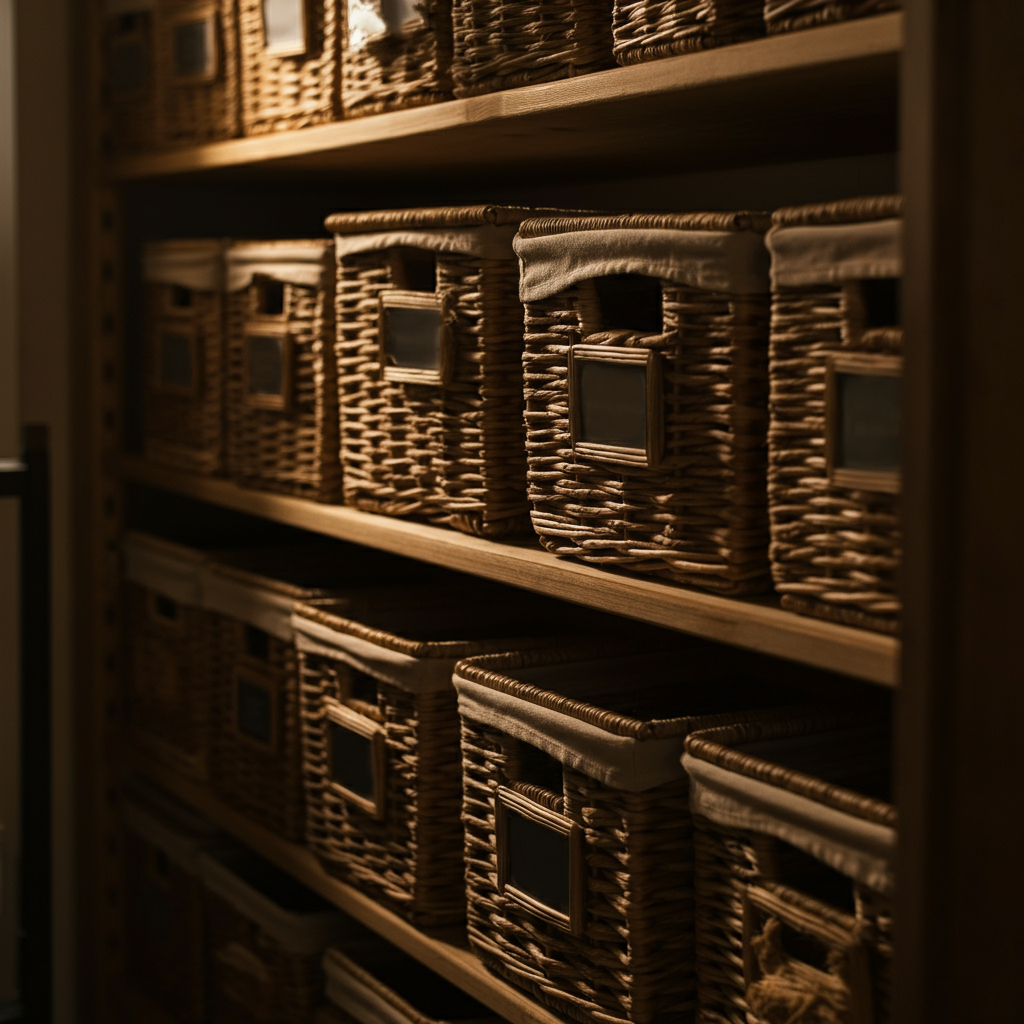
One of the biggest challenges of creating a fun-filled home is managing the clutter. Toys, games, and art supplies can quickly accumulate, creating a chaotic and stressful environment. The key is to invest in creative storage solutions that keep everything organized and accessible. Think beyond traditional storage bins and consider using baskets, shelves, drawers, and even repurposed items.
Practical Details: Label everything clearly so that everyone knows where things belong. Involve your children in the organization process to foster a sense of responsibility. Real-World Considerations: Storage needs will vary depending on the types of activities your family enjoys. Potential Mistakes: Don't buy storage containers that are too small or too difficult for your children to use.
Step 4: Infuse Your Home with Playful Elements
Adding Small Touches of Whimsy
Creating a fun-filled home doesn't have to involve major renovations or expensive purchases. Sometimes, the smallest touches of whimsy can make the biggest difference. Consider adding colorful artwork, playful lighting, or quirky decorative items. You could also create a gallery wall showcasing your family's artwork or display treasured souvenirs from past vacations.
Practical Details: Shop for affordable décor at thrift stores or online retailers. Get your children involved in creating artwork or choosing decorative items. Real-World Considerations: Don't go overboard with the playful elements. Too much clutter can be overwhelming. Potential Mistakes: Don't choose items that are easily broken or pose a safety hazard.

Step 5: Schedule Family Fun Time
Prioritizing Togetherness
Even with the most amazing play spaces and activities, a family fortress of fun is only as strong as the bonds within it. Make a conscious effort to schedule regular family fun time. This could involve playing board games, watching movies, going for hikes, or simply spending time talking and laughing together. Put away your phones and other distractions and focus on connecting with each other.
Practical Details: Set aside a specific time each week for family fun. Create a rotating schedule of activities to keep things interesting. Real-World Considerations: Be flexible and adapt your schedule as needed. Potential Mistakes: Don't force family fun time. Make it enjoyable for everyone involved.

Step 6: Embrace Imperfection (and Mess!)
Learning to Let Go
Perhaps the most important step in building a family fortress of fun is learning to embrace imperfection. Your home will not always be clean and tidy. There will be spills, messes, and occasional chaos. Instead of stressing out about the mess, try to focus on the joy and laughter that are creating it. Remember that these are the moments that you'll cherish for years to come.
Practical Details: Designate a "mess-free zone" where you can retreat when you need a break. Teach your children how to clean up after themselves. Real-World Considerations: It's okay to ask for help with cleaning and organizing. Potential Mistakes: Don't let your desire for a perfect home overshadow your enjoyment of family time.
Safety Considerations
When creating your family fortress of fun, safety should always be a top priority. Ensure that all toys and equipment are age-appropriate and in good working condition. Supervise young children closely, especially during active play. Secure any potential hazards, such as sharp edges or loose wires.
FAQ Section
Q: How do I involve my children in the design process?
A: Ask for their input on activities they enjoy and how they would like to use the space. Let them help choose colors, decorations, and storage solutions.
Q: What if I don't have a lot of space?
A: Get creative with multi-functional furniture and vertical storage. Focus on activities that don't require a lot of space.
Q: How can I create a fun-filled home on a budget?
A: Shop for affordable décor at thrift stores or online retailers. Repurpose existing items. Get your children involved in creating artwork and decorations.
Conclusion
Building a family fortress of fun is a journey, not a destination. It requires creativity, flexibility, and a willingness to embrace imperfection. By following these steps, you can create a home where laughter echoes through the halls, creativity thrives, and lasting family bonds are forged. Remember to involve the whole family in the process, prioritize experiences over material possessions, and never stop exploring new ways to have fun together. Now go forth and create your own family fortress!