Creating a home environment that fosters both fun and peace can feel like an impossible task. Many families struggle with the constant battle between screen time, boredom-induced chaos, and the sheer exhaustion of parenting. However, with a conscious effort and a few strategic changes, you can transform your living space into a "Family Fortress of Fun," a haven where creativity thrives, bonds strengthen, and everyone (including you!) maintains a degree of sanity.
This guide provides a step-by-step approach to designing and implementing a family-friendly environment that caters to a variety of ages and interests. We'll focus on creating designated areas for different activities, establishing clear boundaries and expectations, and incorporating elements that encourage connection and shared experiences. Get ready to reclaim your home and rediscover the joy of family time.
Building a Family Fortress isn't about buying a lot of stuff; it's about thoughtful planning and mindful implementation. It's about understanding your family's needs and tailoring your space to meet them. Let's dive in!
Step 1: Conduct a Family Fun Audit
Before you start rearranging furniture or buying new gadgets, the first step is to understand your family's current situation. This involves a candid assessment of your existing routines, activities, and challenges. What does a typical weekday evening look like? What are the common sources of conflict? What activities do family members genuinely enjoy together? Identifying these factors will help you tailor your fortress to your family’s specific needs.

Step 2: Designate Zones of Fun (and Sanity)
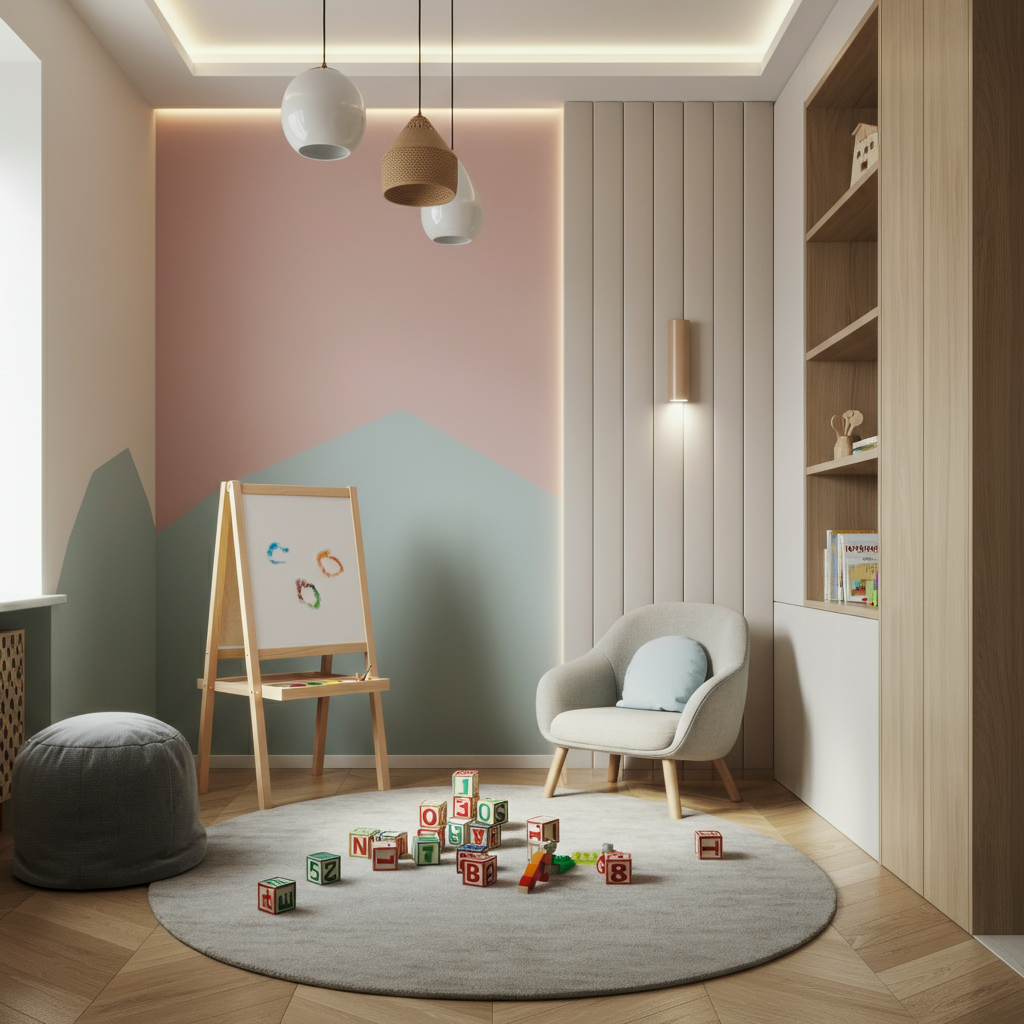
Once you have a clear picture of your family's needs, it's time to create designated zones within your home. These zones should cater to different activities and age groups. Think of creating a "creative corner" for arts and crafts, a "reading nook" for quiet time, a "game zone" for active play, and a "chill zone" for relaxation. Consider the specific needs of each zone when selecting its location and furnishing it. The game zone, for example, might be located in a basement or garage where noise is less of an issue.
Step 3: Tech Time Boundaries
Let's face it: technology is an integral part of modern life. However, it's crucial to establish clear boundaries around screen time to prevent it from dominating family life. Designate tech-free zones, such as the dining table and bedrooms. Establish daily or weekly screen time limits and encourage alternative activities. Consider using parental control apps to monitor and manage device usage. Lead by example and put away your own devices during family time.
Step 4: Prioritize Shared Activities
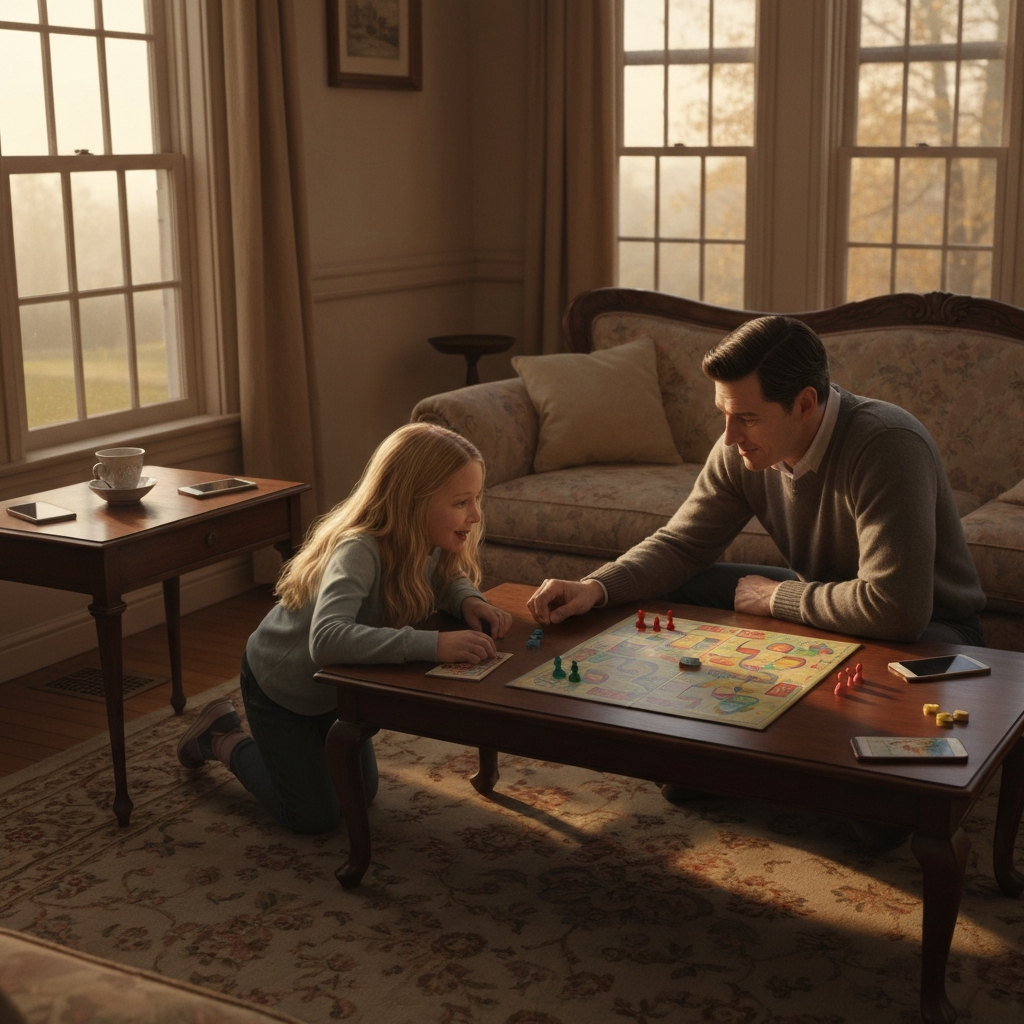
Shared activities are the cornerstone of a strong family bond. Schedule regular family game nights, movie nights, or outdoor adventures. These activities don't have to be elaborate or expensive; the key is to spend quality time together, creating lasting memories. Involve everyone in the planning process to ensure that the activities are enjoyable for all. Consider rotating who gets to choose the activity each week.

Step 5: Embrace the Power of Routine
Establishing routines can bring structure and predictability to family life, reducing stress and conflict. Consistent meal times, bedtimes, and chore schedules can help children feel more secure and responsible. While routines are important, it's also essential to be flexible and adapt to changing needs. Don't be afraid to adjust your routines as your children grow and their needs evolve.
Step 6: Foster Open Communication
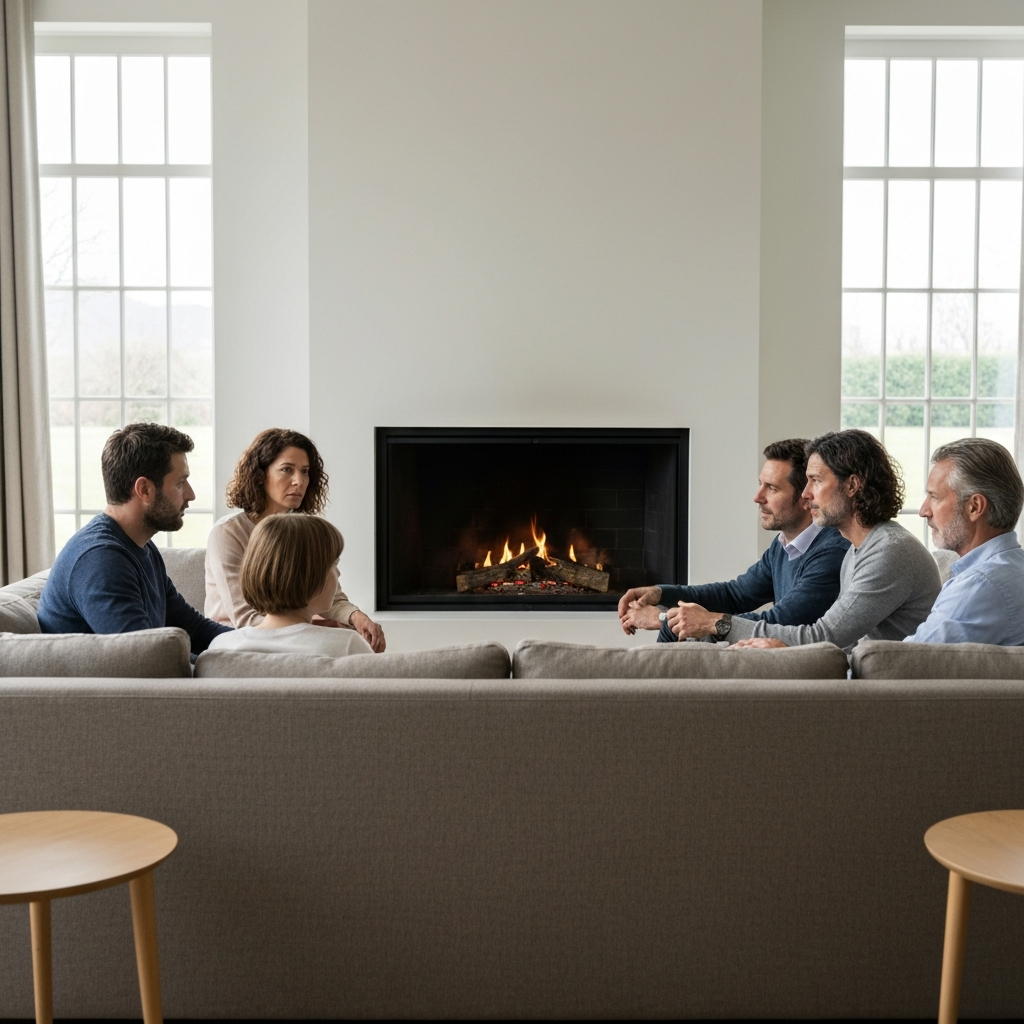
A strong family fortress is built on open and honest communication. Create a safe space where family members feel comfortable expressing their thoughts and feelings without judgment. Practice active listening and validation, even when you don't agree with what's being said. Regular family meetings can provide a forum for discussing issues, making decisions, and celebrating successes.
Tools or Materials Required
While the core of a Family Fortress is more about mindset, you may find these useful: Art supplies (paper, paints, crayons), board games, books, comfortable seating, organizational tools (bins, shelves), sports equipment, and a willingness to be flexible and have fun.
Common Mistakes to Avoid
Don’t force activities on family members. Don't create a fortress that's only fun for the parents. Don’t get discouraged if things don’t work perfectly at first. Remember, it's a process, not a destination.
Safety Considerations
Ensure that all play areas are safe and free from hazards. Supervise young children closely during activities. Store dangerous materials, such as cleaning supplies and sharp objects, out of reach. Teach children about safety rules and emergency procedures. Always be mindful of potential risks.
Pro Tips
Involve your children in the design and implementation of the Family Fortress. This will help them feel a sense of ownership and responsibility. Be willing to experiment and try new things. The key is to find what works best for your family. Schedule regular check-ins to evaluate the effectiveness of your fortress and make adjustments as needed.
FAQ Section
Q: My kids are always fighting. Will this really help? A: It can! Designated zones and clear expectations can minimize triggers. Plus, focusing on fun activities gives them positive shared experiences.
Q: We have a small apartment. Can we still build a Family Fortress? A: Absolutely! You might need to get creative with multi-purpose spaces. A corner of the living room can become a reading nook, and the dining table can transform into a game table.
Q: This sounds like a lot of work! A: It does take effort upfront, but the long-term benefits – a happier, more connected family – are worth it.
Building a Family Fortress of Fun (and Sanity) is an ongoing journey, not a one-time project. By creating a supportive and engaging environment, you can foster strong family bonds, reduce stress, and create lasting memories. Remember to be flexible, adaptable, and most importantly, have fun!