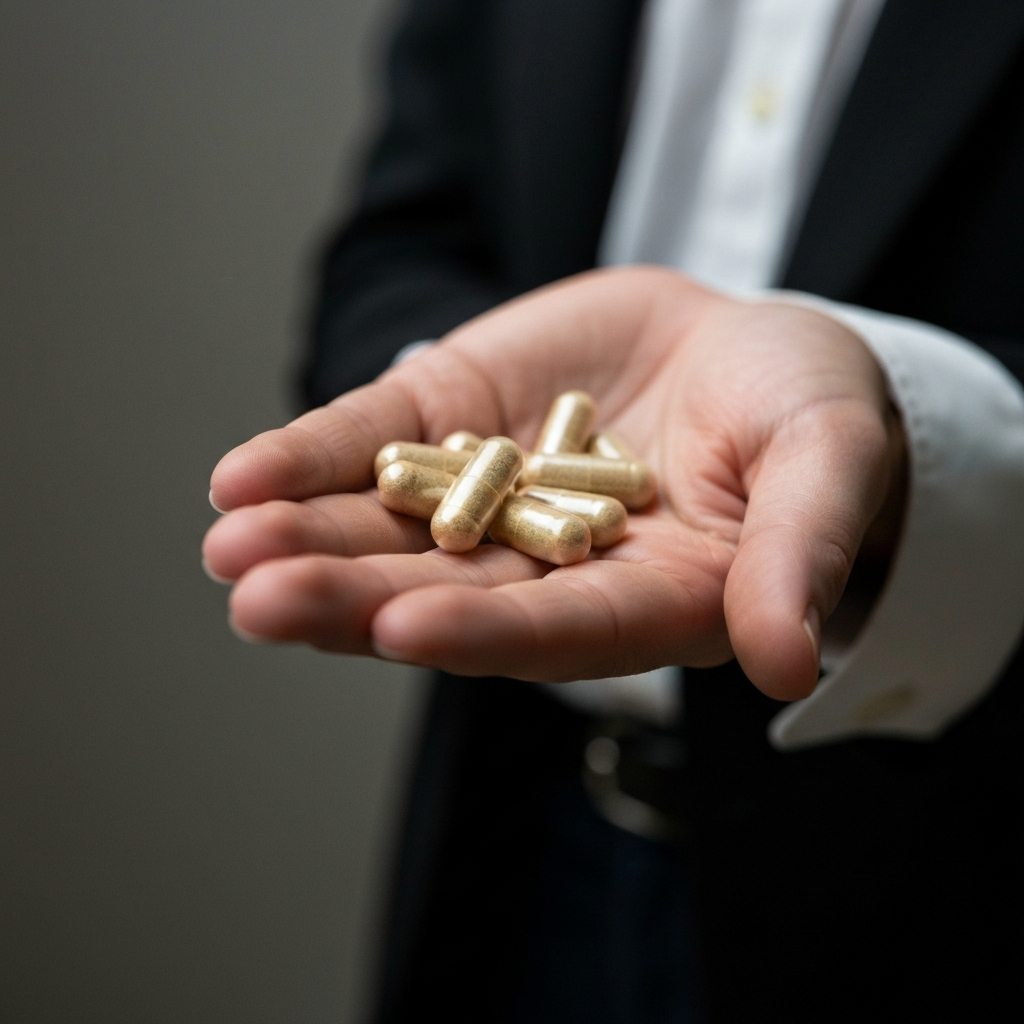
Feeling drained? Constantly reaching for that extra cup of coffee? You're not alone. Modern life demands a lot, and often, our bodies struggle to keep up. But what if you could systematically optimize your energy levels using science-backed techniques? That's the promise of biohacking. Biohacking isn't about radical medical procedures or implanting chips (though those exist!); it's about understanding your unique biology and making targeted interventions to enhance performance.
This guide will walk you through practical steps you can take to biohack your way to peak energy. We'll cover everything from optimizing sleep and nutrition to leveraging light and managing stress. Remember, biohacking is an iterative process. What works for one person might not work for another. The key is to experiment, track your results, and adjust your approach accordingly. This isn't a quick fix but a long-term investment in your health and well-being.
Before starting any biohacking protocol, it's crucial to consult with your healthcare provider, especially if you have underlying health conditions. This guide is for informational purposes only and should not be considered medical advice. Let’s dive in!
Step 1: Master Your Sleep Hygiene
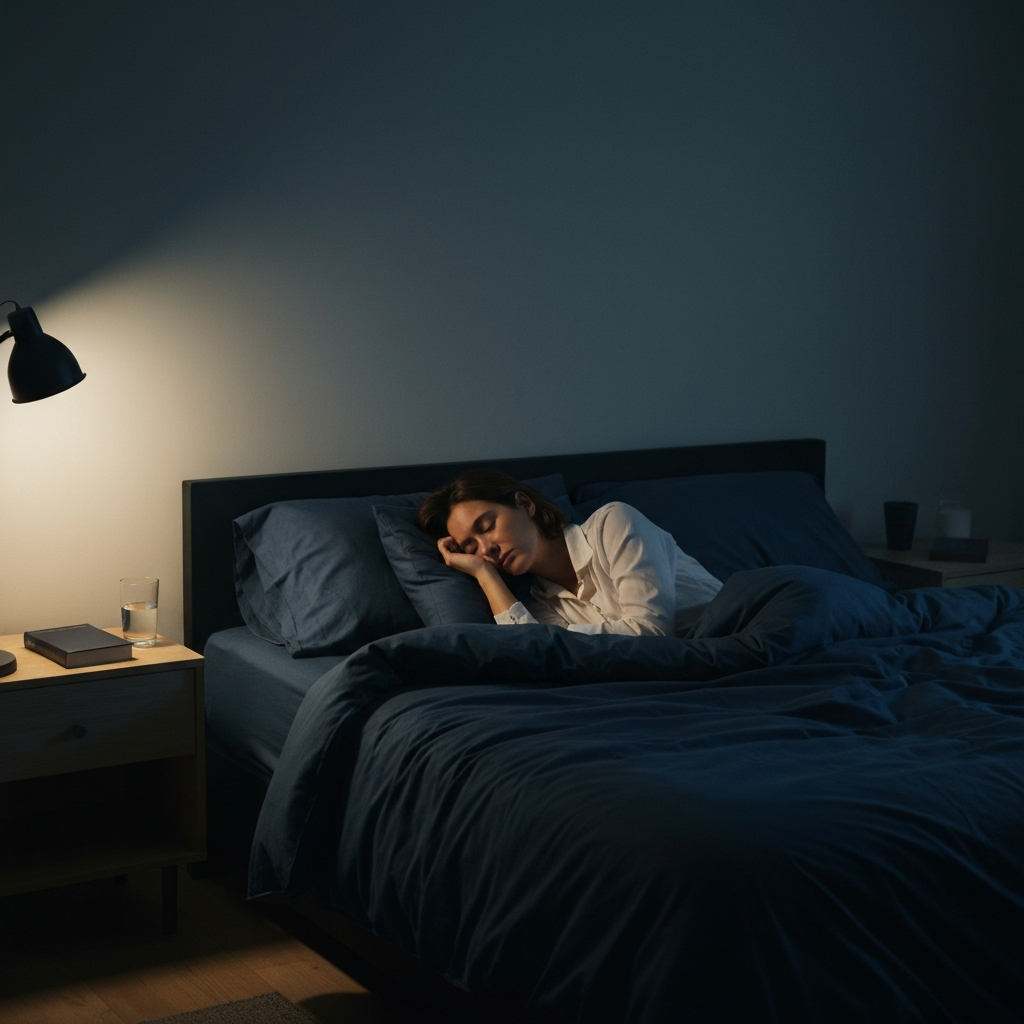
Sleep is the foundation of energy. If you're not sleeping well, nothing else matters. Poor sleep disrupts hormone balance, impairs cognitive function, and weakens the immune system. Optimizing sleep hygiene is the first and most crucial step in your energy biohacking journey. This goes beyond just getting "enough" sleep; it's about the quality and consistency of your sleep.
Establish a regular sleep schedule by going to bed and waking up at the same time each day, even on weekends. Create a relaxing bedtime routine that signals to your body that it's time to sleep. This might include taking a warm bath, reading a book (a physical book, not a screen!), or practicing meditation. Ensure your bedroom is dark, quiet, and cool. Aim for a room temperature between 60-67 degrees Fahrenheit for optimal sleep. Consider using blackout curtains, earplugs, or a white noise machine to block out distractions.
Practical details: Track your sleep using a wearable device or a sleep tracking app. Experiment with different wake-up times to find what makes you feel the most rested. Avoid caffeine and alcohol close to bedtime. Real-world considerations: Shift work or travel can disrupt your sleep schedule. Do your best to maintain consistency even under challenging circumstances. Potential mistakes: Relying on sleep aids without addressing underlying sleep issues. This can mask the problem and lead to dependence.
Step 2: Optimize Your Nutrition
What you eat directly impacts your energy levels. Processed foods, sugary drinks, and excessive caffeine can lead to energy crashes and long-term health problems. A nutrient-dense diet, on the other hand, provides the building blocks for sustained energy and optimal cellular function. Focus on whole, unprocessed foods like fruits, vegetables, lean proteins, and healthy fats. Avoid refined carbohydrates and added sugars.
Pay attention to macronutrient ratios. Experiment with different ratios of carbohydrates, protein, and fat to see what works best for you. Some people thrive on a higher-fat diet, while others do better with more carbohydrates. Consider intermittent fasting to improve insulin sensitivity and boost energy. Hydration is also crucial. Dehydration can lead to fatigue and reduced cognitive function. Aim to drink at least half your body weight in ounces of water per day.
Practical details: Keep a food journal to track your intake and identify potential energy zappers. Experiment with different meal timings and frequencies. Consider getting a blood test to identify any nutrient deficiencies. Real-world considerations: Eating healthy while traveling or eating out can be challenging. Plan ahead and make informed choices. Potential mistakes: Focusing solely on macronutrients and neglecting micronutrients. Ensure you're getting a wide range of vitamins and minerals.

Step 3: Harness the Power of Light
Light is a powerful regulator of our circadian rhythm, the internal clock that governs our sleep-wake cycle. Exposure to natural light, especially in the morning, helps to synchronize your circadian rhythm and boost energy levels. Conversely, exposure to artificial light, especially blue light from screens, in the evening can disrupt your sleep.
Aim to get at least 20-30 minutes of sunlight exposure in the morning. If you live in an area with limited sunlight, consider using a light therapy lamp. These lamps mimic the effects of natural sunlight and can help to improve mood and energy levels. In the evening, minimize exposure to blue light by using blue light filters on your screens or wearing blue light-blocking glasses. Consider using red light therapy, shown to improve cellular function and energy levels
Practical details: Download a blue light filter app for your computer and phone. Invest in a quality light therapy lamp. Real-world considerations: Office environments often have poor lighting. Try to position yourself near a window or take breaks outside. Potential mistakes: Using a light therapy lamp at the wrong time of day. This can disrupt your sleep.

Step 4: Manage Stress Effectively
Chronic stress is a major energy drain. It triggers the release of cortisol, a stress hormone that can disrupt sleep, impair cognitive function, and weaken the immune system. Managing stress effectively is crucial for maintaining peak energy. There are many different stress management techniques, so it's important to find what works best for you.
Practice mindfulness meditation to calm your mind and reduce stress. Engage in regular physical activity to release endorphins and improve mood. Spend time in nature to reduce stress hormones and boost energy. Prioritize social connection to build resilience and reduce feelings of isolation. Consider journaling to process your emotions and gain clarity.
Practical details: Download a meditation app and practice daily. Schedule time for physical activity and social connection. Real-world considerations: It can be difficult to find time for stress management in a busy schedule. Schedule it like any other important appointment. Potential mistakes: Using unhealthy coping mechanisms like alcohol or overeating to deal with stress.

Step 5: Smart Supplementation
While a nutrient-dense diet should be your primary source of vitamins and minerals, certain supplements can help to optimize energy levels. Before taking any supplements, it's important to consult with your healthcare provider to ensure they are safe and appropriate for you. Certain supplements can interact with medications or exacerbate existing health conditions. Also, be careful about buying supplements online since some have contaminants.
Consider taking a multivitamin to fill any nutritional gaps. Magnesium is essential for energy production and can help to improve sleep quality. Vitamin D is important for mood and immune function. Creatine can improve physical performance and cognitive function. Consider testing your Vitamin D level to determine proper dosage.
Practical details: Research different supplement brands to ensure quality and purity. Start with low doses and gradually increase as needed. Monitor your energy levels and track any changes. Real-world considerations: Supplements can be expensive. Prioritize the ones that are most likely to benefit you based on your individual needs. Potential mistakes: Taking excessive doses of supplements. This can lead to adverse side effects.