Keeping a journal can be incredibly therapeutic. It's a safe space to explore your thoughts, dreams, and frustrations without judgment. However, the thought of someone, especially your parents, reading your private entries can be mortifying. This guide provides practical strategies to safeguard your personal journal, whether it's a physical notebook, an online platform, or a journal app. We'll explore methods of misdirection, clever hiding spots, and digital security measures to help you maintain your privacy.
Maintaining a healthy relationship with your parents is also important. While this guide focuses on privacy, it's worth considering open communication about boundaries if possible. However, if you feel your privacy isn't being respected, these methods will provide a secure way to keep your thoughts to yourself. Remember, everyone deserves a space where they can be completely honest without fear of judgment.
This guide will cover hiding physical journals, securing online journals, and using journal apps discreetly. Choose the methods that best suit your situation and remember to adapt them as needed. Privacy is a right, and with a little planning, you can effectively protect your personal space.
Step 1: Choosing the Right Journal
The first step to hiding your journal effectively is selecting the right type. If you're using a physical notebook, avoid anything flashy or attention-grabbing. A plain, unassuming notebook that blends in with your school supplies is ideal. For online journals, choose a platform with robust privacy settings. If you prefer a journal app, select one with strong password protection or the ability to hide the app icon.

Step 2: Creating a Decoy Journal (Optional but Recommended)
A decoy journal can be a highly effective strategy, especially if your parents already suspect you keep a journal. The goal is to create a false target that satisfies their curiosity, preventing them from searching for your real journal. This decoy can be an old journal, a notebook with "My Diary" prominently displayed, or even a generic notebook with mundane entries. The key is to make it easily accessible and believable.
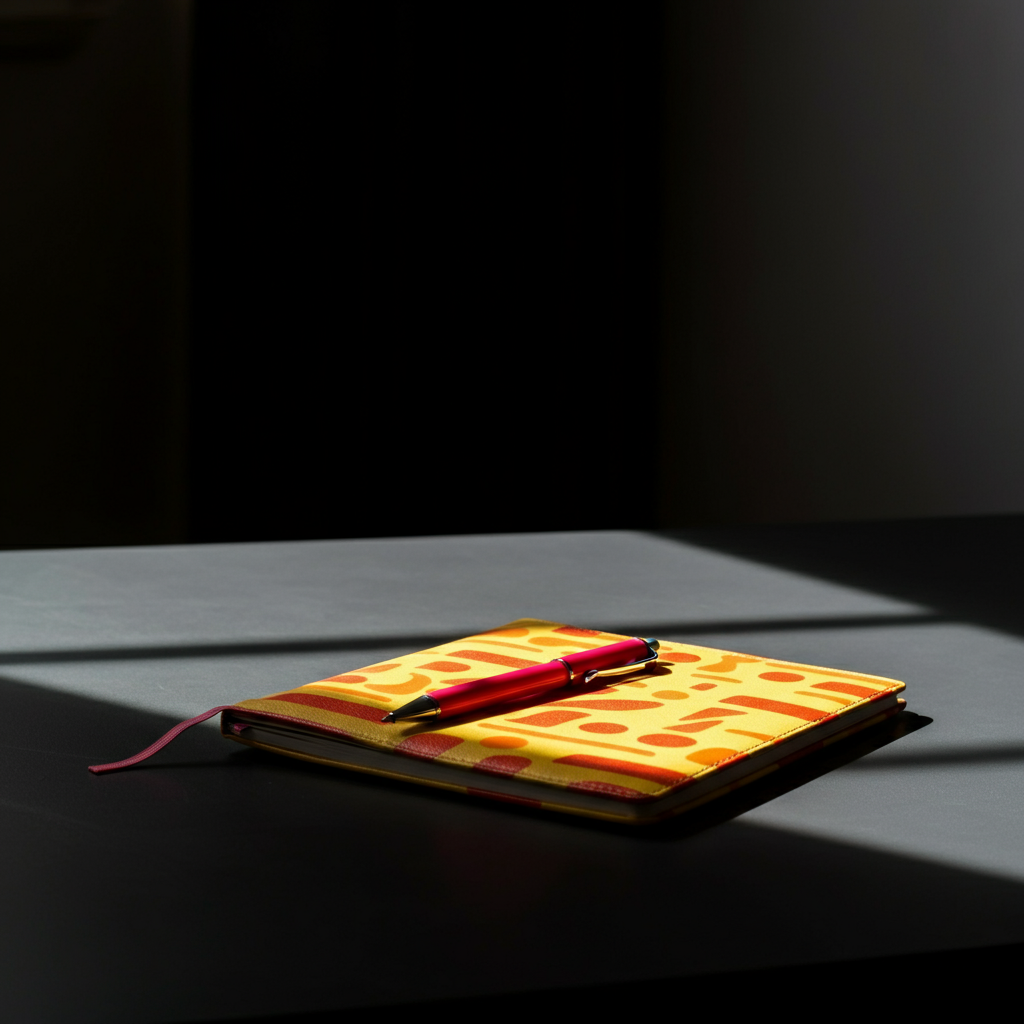
Step 3: Disguising Your Real Journal
Further disguise your physical journal by labeling it with a misleading title, such as "Math Notes" or "Geography Facts." Fill the first few pages with content that aligns with the title, like actual math formulas or geography facts. This creates a plausible cover story if someone stumbles upon it, making it appear like an ordinary notebook rather than a personal journal. You could even add a few doodles to make it look like a casual sketchbook.

Step 4: Writing in Code (Optional)
Consider using a simple code to protect sensitive information in your journal. This could involve replacing certain words with code words or symbols. For example, "friend" could become "X," or "sad" could become "blue." This method adds an extra layer of security, making it difficult for someone to understand the content even if they find your journal. Just make sure you can still decipher your own code!

Step 5: Populating Your Decoy Journal
If you've opted for a decoy journal, make sure to write in it regularly, perhaps once or twice a week. Write about mundane aspects of your day that you wouldn't mind your parents knowing, such as what you ate for dinner or what you watched on TV. Avoid including any sensitive information or details that could reveal your true feelings or experiences. The goal is to create a believable facade without raising suspicion.

Step 6: Choosing the Perfect Hiding Spot
Selecting the right hiding spot is crucial for keeping your journal safe. Think about where your parents are likely to look and avoid those places. Common hiding spots like under the mattress or in a sock drawer are too obvious. Instead, look for less frequently accessed areas, such as the back of a closet behind hanging clothes, inside a hollowed-out book, or under a loose floorboard. Consider how easily you can retrieve and return the journal without being seen.

Step 7: Concealing the Decoy (Optional)
If you're using a decoy journal, consider placing it in a slightly obvious spot, such as under your bed or on a bookshelf. This reinforces the illusion that it's your real journal and discourages further searching. By making the decoy easily accessible, you reduce the likelihood of your parents stumbling upon your actual journal while snooping around.

Step 8: Monitoring for Intrusions
Implement subtle methods to determine if someone has been reading your journal. Place a small piece of clear tape on the edge of a page, or insert a strand of hair between two pages. If the tape is broken or the hair is missing, it's a sign that your journal has been accessed. Be discreet when checking for these signs to avoid arousing suspicion. These methods aren't foolproof, but they can provide valuable clues.

Step 9: Digital Journal Security
If you use an online journal or journal app, prioritize digital security. Choose a strong, unique password that you don't use for any other accounts. Enable two-factor authentication if available. Use private browsing or incognito mode to prevent your browsing history from being tracked. If using an app, explore options for password protection, hiding the app icon, or moving the app to a secure location on your device.
Tools or Materials Required
- Plain, unassuming notebook (for physical journals)
- Decoy journal (optional)
- Pen or pencil
- Tape
- Hair strand
- Strong password (for online journals and apps)
- App locking software (if needed)
Common Mistakes to Avoid
- Choosing an obvious hiding spot.
- Using a weak password for online journals or apps.
- Forgetting to write in the decoy journal (if using one).
- Leaving your journal out in plain sight.
- Writing down passwords or sensitive information in an unencrypted format.
FAQ Section
Q: What if my parents confront me about hiding my journal?
A: Remain calm and assertive. Explain that you value your privacy and that keeping a journal is a way for you to process your thoughts and feelings. You are not obligated to share your personal writings.
Q: Is it wrong to hide my journal from my parents?
A: The need for privacy is a natural part of growing up. While honesty and open communication are important in family relationships, you also have a right to your personal space and thoughts.
Q: What if my parents find my journal and read it anyway?
A: This is a difficult situation. Express your disappointment and explain how their actions have violated your trust. Set clear boundaries for the future.
Conclusion
Protecting your journal is about safeguarding your personal thoughts and feelings. By implementing these strategies, you can create a secure space where you feel comfortable expressing yourself without fear of judgment. Remember to choose the methods that best suit your situation and to adapt them as needed. Privacy is a valuable asset, and with a little effort, you can effectively maintain it.