Hobby rocketry is an exhilarating and educational pastime that combines science, engineering, and a healthy dose of outdoor fun. From the simple thrill of launching a small model rocket to the complex challenges of designing and building your own high-powered creations, rocketry offers something for everyone. This guide will walk you through the essential steps to get started, ensuring a safe and rewarding experience.
Before diving in, it's important to understand that rocketry, while incredibly enjoyable, demands respect for safety regulations and responsible practices. Always prioritize safety and follow the guidelines set forth by organizations like the National Association of Rocketry (NAR) or Tripoli Rocketry Association (TRA). This guide is a starting point; further research and mentorship are highly encouraged.
Ready to launch your rocketry adventure? Let's get started!
Step 1: Research and Education
Understanding the Basics of Rocketry
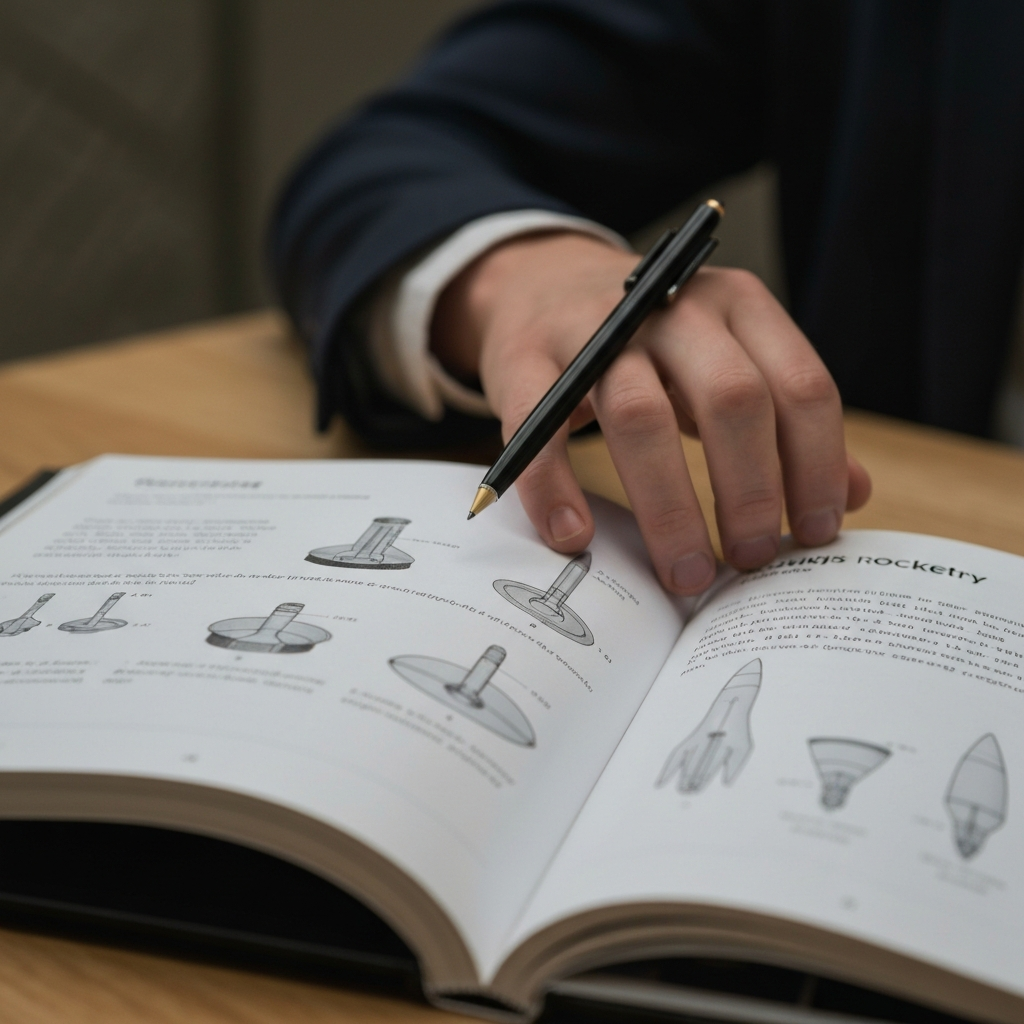
Before you even purchase your first rocket, invest some time in learning the fundamental principles of rocketry. This includes understanding rocket components (body tube, fins, nose cone, engine mount), propulsion systems (solid rocket motors are most common for beginners), aerodynamics, and stability. A solid understanding of these concepts will not only make the hobby more enjoyable but also significantly improve your safety. Resources like online tutorials, books, and local rocketry clubs are invaluable. Seek out experienced rocketeers willing to share their knowledge.
Step 2: Choosing Your First Rocket
Selecting a Beginner-Friendly Model Rocket Kit
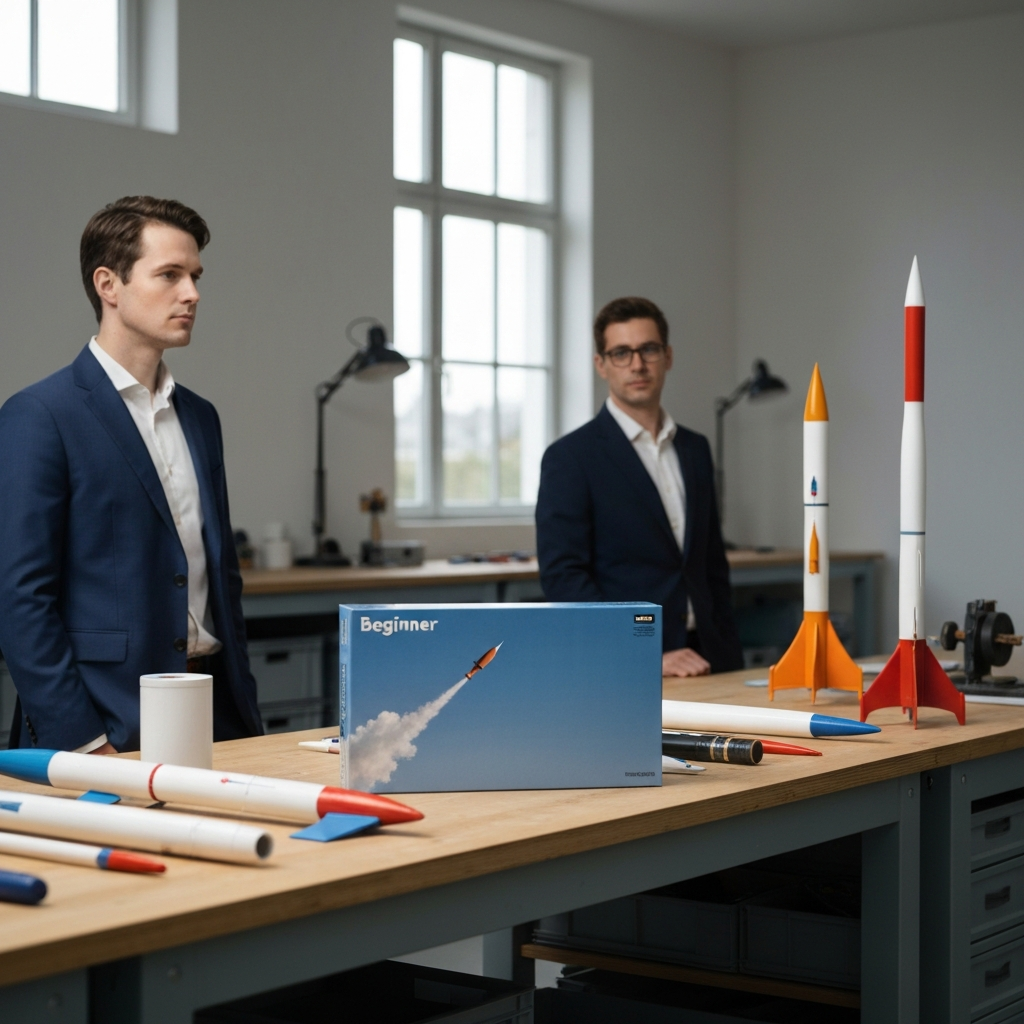
For your initial foray into rocketry, opt for a beginner-friendly model rocket kit. These kits typically include all the necessary components and clear, step-by-step instructions. Look for rockets classified as "Beginner" or "Skill Level 1." These rockets are designed for ease of assembly and launch, allowing you to focus on learning the basics. Avoid complex designs or multi-stage rockets until you've gained some experience. Consider rockets with readily available replacement parts in case of damage.
Step 3: Assembling Your Rocket
Carefully Following the Instructions
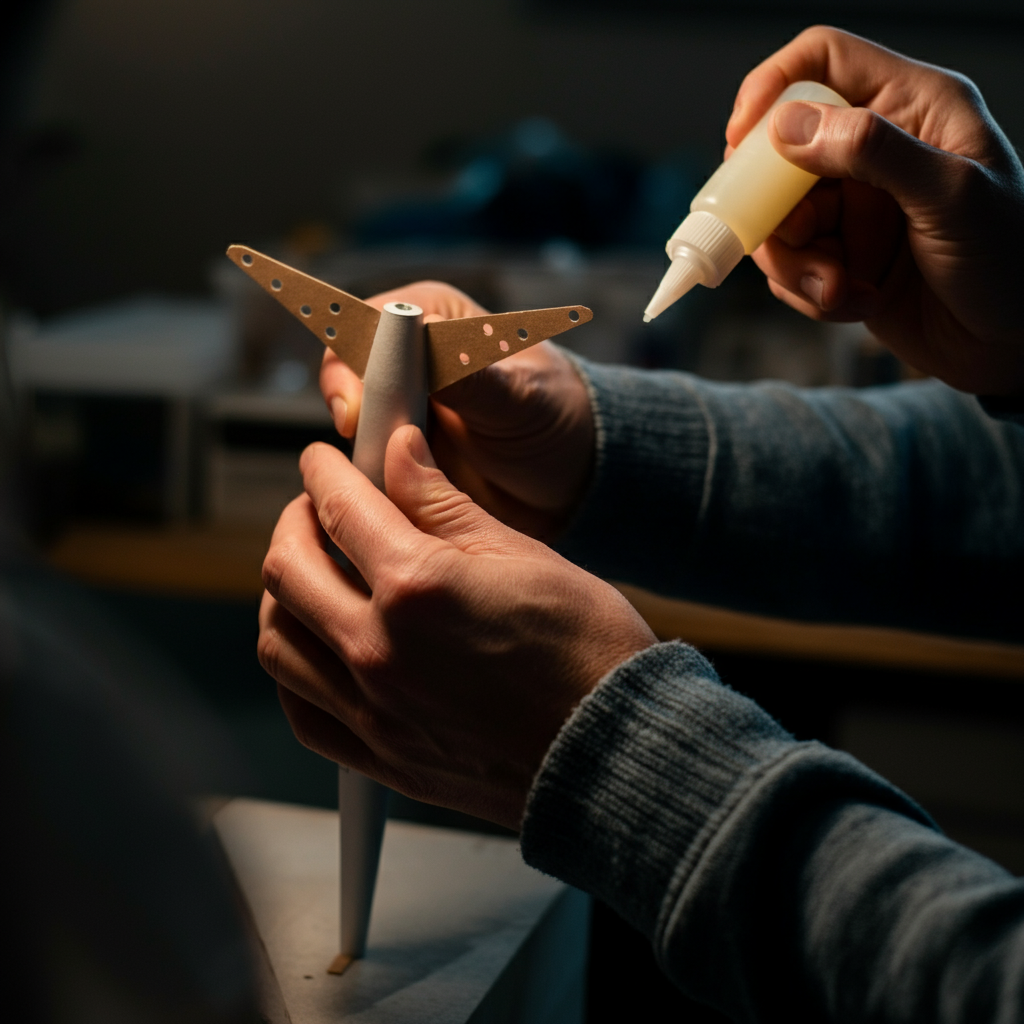
Assembly is a crucial step, and accuracy is paramount. Carefully read and follow the instructions provided with your rocket kit. Pay close attention to the order of assembly and the proper use of adhesives. Ensure all components are securely attached and aligned correctly. A common mistake is using too much or too little glue. Use appropriate model rocket glue that is designed to handle vibrations and temperature changes.
Step 4: Selecting and Preparing Your Rocket Engine
Choosing the Correct Engine and Preparing it for Launch
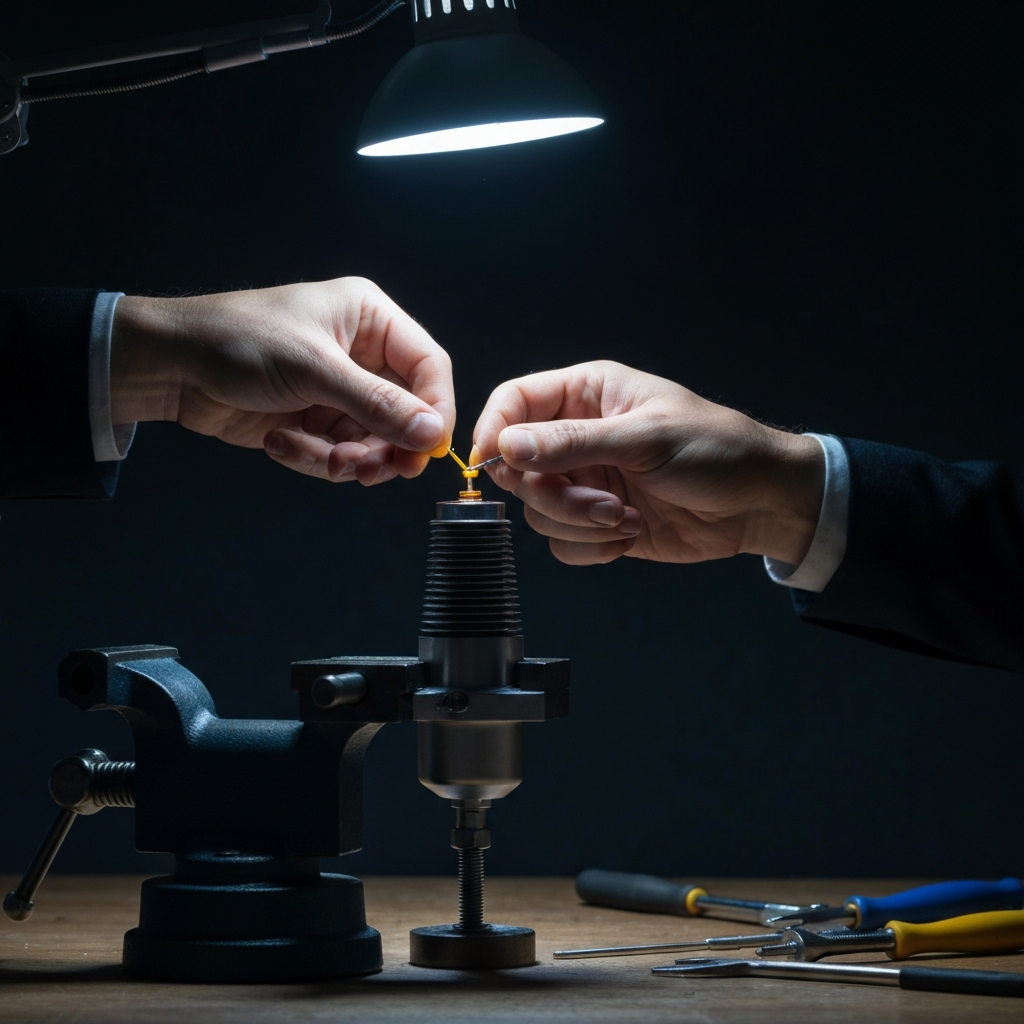
Rocket engines are classified by impulse (total power), thrust (force), and delay time (the time between burnout and ejection charge). Your rocket kit will specify the appropriate engine types and sizes. Using the wrong engine can lead to dangerous situations. Before inserting the engine, ensure it's properly seated and secured in the engine mount. Inspect the engine for any signs of damage. Prepare the igniter by carefully inserting it into the engine nozzle, ensuring it makes good contact with the propellant.
Step 5: Finding a Launch Site and Checking Regulations
Selecting a Safe Launch Location
Choosing a suitable launch site is critical for safety and success. The site should be a large, open area, free from trees, power lines, buildings, and dry vegetation. Consult local regulations regarding rocketry launches. Many areas have restrictions on the size and type of rockets that can be launched, as well as altitude limits. Never launch rockets near airports or populated areas. Notify local authorities if required.
Step 6: Setting Up Your Launch Pad and Launching
Safely Connecting the Igniter and Launching the Rocket
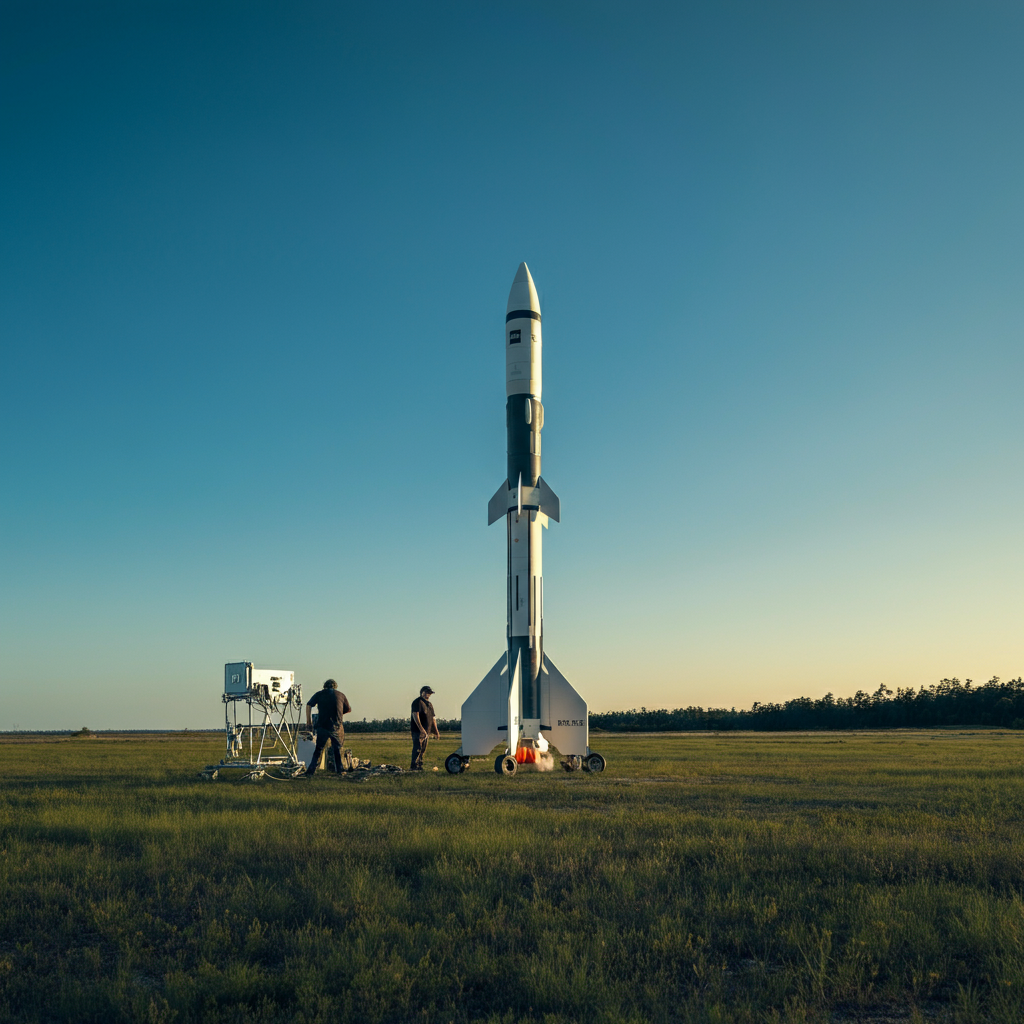
Set up your launch pad according to the manufacturer's instructions. Ensure the launch rod is vertical and securely attached to the base. Connect the igniter clips to the igniter wires, ensuring the clips do not touch each other. Clear the launch area and announce a countdown. Use a launch controller with a safety key and a sufficient length of wire to maintain a safe distance from the rocket. Keep your eye on the rocket after liftoff.
Step 7: Recovery and Inspection
Safely Retrieving Your Rocket and Inspecting for Damage
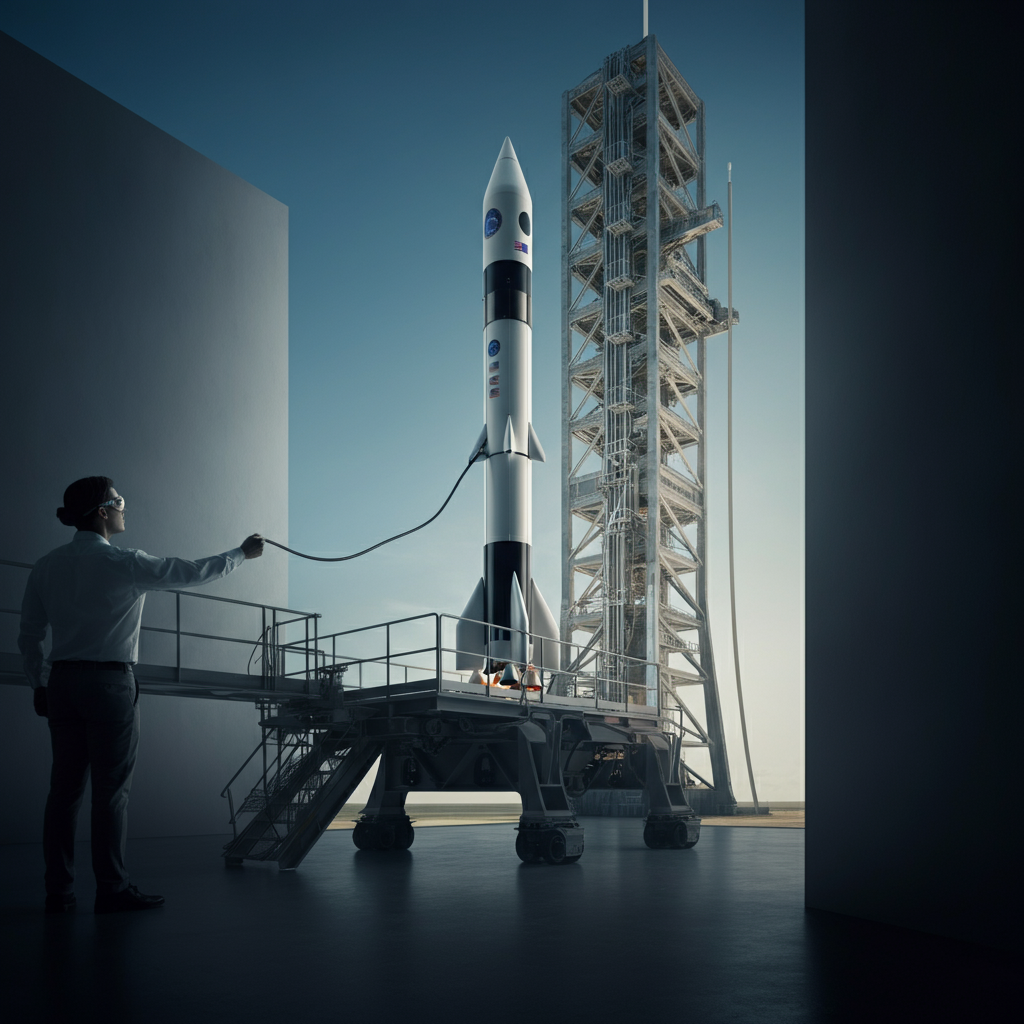
After the rocket lands, approach it cautiously. Be aware of potential hazards like deployed parachutes catching on trees or bushes. Carefully inspect the rocket for any signs of damage. Check the fins, body tube, and nose cone for cracks or breaks. Replace any damaged parts before the next launch. Examine the engine mount to ensure it's still secure. Make any needed repairs or replacements promptly to ensure safe launches in the future.
Safety Considerations
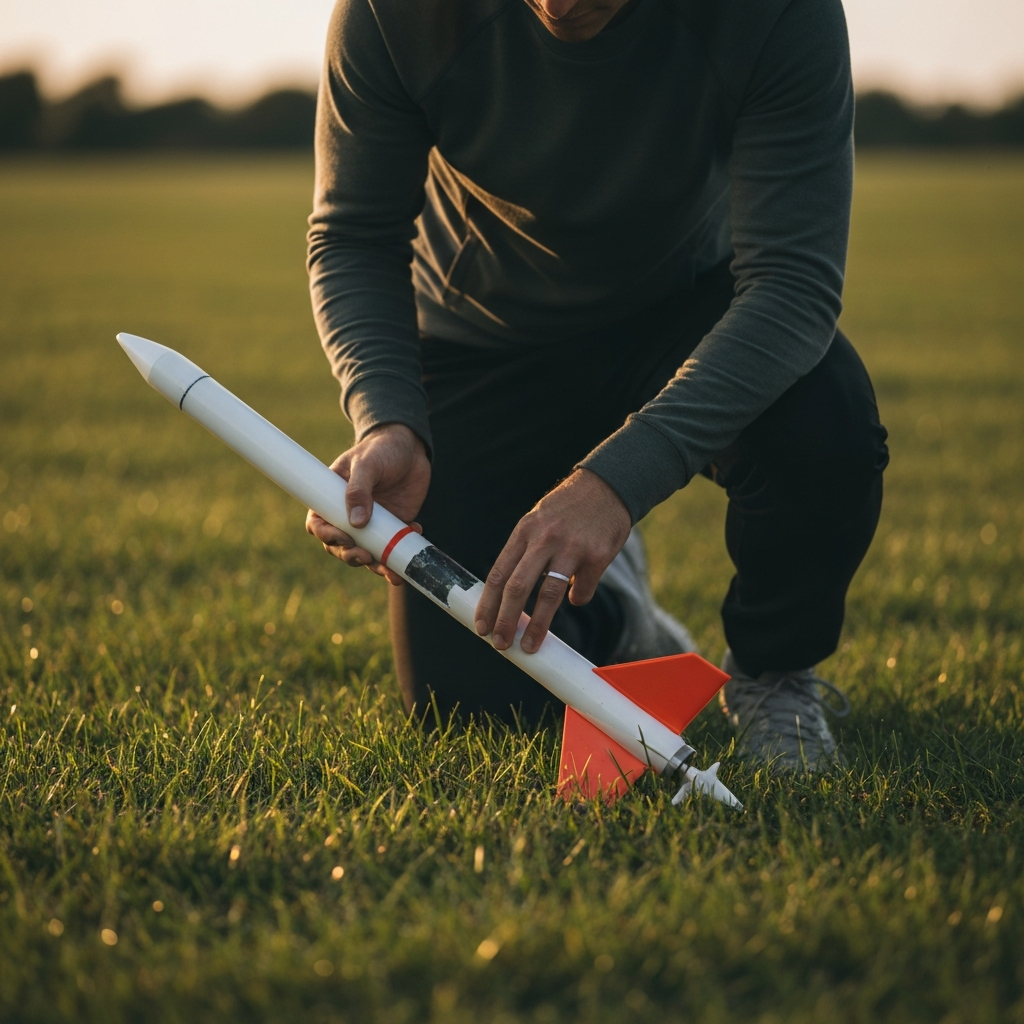
- Always wear safety glasses during assembly, launch, and recovery.
- Maintain a safe distance from the rocket during launch.
- Never launch rockets in high winds or during electrical storms.
- Never attempt to launch a damaged rocket.
- Always follow the manufacturer's instructions and local regulations.
- Never modify rocket engines.
Tools or Materials Required
- Model rocket kit
- Rocket engines (appropriate size and type)
- Igniters
- Launch pad and controller
- Model rocket glue
- Safety glasses
- Hobby knife or scissors
- Sandpaper
- Pliers
Common Mistakes to Avoid
- Using the wrong engine size.
- Incorrectly assembling the rocket.
- Launching in unsafe conditions.
- Failing to inspect the rocket for damage.
- Neglecting safety precautions.
Pro Tips
- Join a local rocketry club for guidance and mentorship.
- Attend rocketry events and competitions.
- Document your launches and learn from your experiences.
- Consider using flight computers for data logging and enhanced control.
- Always err on the side of caution.
FAQ Section
Q: What is the best way to find a local rocketry club?
A: Search online for "rocketry clubs near me" or check the websites of the National Association of Rocketry (NAR) and Tripoli Rocketry Association (TRA) for a list of affiliated clubs.
Q: How high can a model rocket fly?
A: The altitude depends on the engine size, rocket design, and atmospheric conditions. Small model rockets can reach several hundred feet, while larger, high-powered rockets can reach thousands of feet.
Q: Is it legal to launch rockets in my backyard?
A: It depends on your local regulations. Check with your city or county government for any restrictions on rocketry launches.
Q: What do the engine codes mean (e.g., A8-3)?
A: The first letter indicates the total impulse (power) of the engine. The number represents the average thrust in Newtons. The last number is the delay time in seconds.
Conclusion
Hobby rocketry is a rewarding and challenging hobby that can provide countless hours of enjoyment. By following the steps outlined in this guide, you can safely and successfully launch your first rocket and embark on a journey of learning and exploration. Remember to prioritize safety, seek out experienced rocketeers for guidance, and always follow local regulations. With a little practice and dedication, you'll be soaring to new heights in no time!