In the vast and often predictable world of culinary discourse, there exists a space for the bold, the daring, and the downright controversial: the food hot take. A food hot take isn't just an opinion; it's a carefully constructed statement designed to ignite debate, challenge conventions, and, ideally, reveal a hidden truth about our collective eating habits.
But crafting a truly great food hot take is an art. It requires more than just contrarianism. It requires a deep understanding of food culture, a keen sense of observation, and the courage to stand your ground in the face of inevitable backlash. Whether you're aiming to spark a friendly argument at the dinner table or become a viral sensation, this guide will equip you with the tools you need to create food hot takes that are both memorable and meaningful.
So, sharpen your knives, gather your ingredients, and prepare to stir the pot. It's time to dive into the delicious world of food hot takes.
-
Step 1: Identify the Sacred Cow
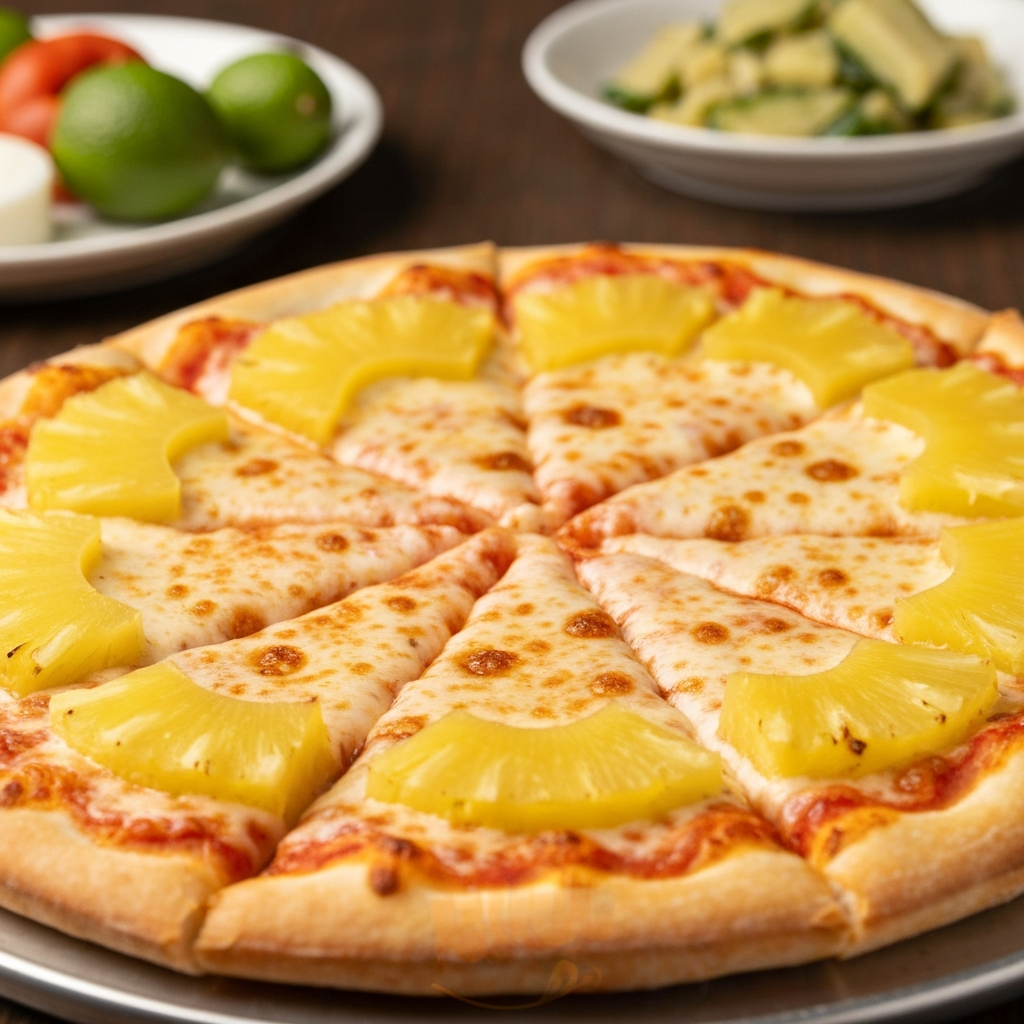
The foundation of any compelling food hot take is challenging a widely accepted belief or practice. This "sacred cow" can be anything from a classic dish to a popular cooking technique. Think about the foods and flavors that people hold dear and consider why they might be wrong (or at least, not entirely right). Common targets include pizza toppings, condiment preferences, and regional specialties. For instance, the seemingly eternal debate of pineapple on pizza is a classic example. The key is to choose a topic that resonates with a broad audience and is likely to elicit strong emotional responses.
-
Step 2: Formulate Your Counter-Argument
Once you've identified your sacred cow, it's time to develop a compelling counter-argument. This is where your creativity and critical thinking skills come into play. Don't just say something is bad; explain why it's bad or why your alternative is superior. Back up your claims with logical reasoning, personal anecdotes, or even scientific evidence (if available). A well-reasoned argument is more likely to be taken seriously, even if it's controversial.
For example, instead of simply stating "Ranch dressing is overrated," you could argue, "Ranch dressing's ubiquitous presence overshadows other, more nuanced dips like blue cheese or aioli, which offer a wider range of flavor profiles." This adds depth and encourages thoughtful discussion.
-
Step 3: Embrace the Hyperbole (Judiciously)
A little hyperbole can go a long way in making your food hot take more memorable and attention-grabbing. Exaggerate the perceived flaws of the sacred cow or the virtues of your alternative. However, it's crucial to use hyperbole sparingly and strategically. Overdoing it can make you sound ridiculous and undermine your credibility. Think of it as seasoning – a dash can enhance the flavor, but too much can ruin the dish.
-
Step 4: Inject Personality and Passion
A food hot take is more than just a statement of opinion; it's a reflection of your personal tastes and values. Inject your personality and passion into your take to make it more authentic and engaging. Share your personal experiences with the food in question, express your emotions (positive or negative) openly, and let your unique voice shine through. People are more likely to connect with a hot take that feels genuine and heartfelt, even if they disagree with it.
-
Step 5: Test Your Take on a Small Audience
Before unleashing your food hot take on the world, it's wise to test it out on a small, trusted audience. Share your take with friends, family, or online communities and gauge their reactions. Pay attention to their responses – what do they agree with, what do they disagree with, and what questions do they ask? Use this feedback to refine your take and make it even more compelling. This also gives you a chance to prepare for common counterarguments.
-
Step 6: Be Prepared for Backlash (and Embrace It)
Controversy is an inherent part of the food hot take game. Be prepared for people to disagree with you, criticize your opinions, and even question your sanity. The key is to remain calm, respectful, and confident in your convictions. Don't back down from your take just because it's unpopular. Instead, use the backlash as an opportunity to further elaborate on your reasoning and engage in constructive dialogue. Remember, a good food hot take is meant to spark conversation, not necessarily to be universally accepted.
Common Mistakes to Avoid
- Being Obnoxious Instead of Opinionated: There is a fine line between a spicy take and simply being rude or condescending. Focus on the food itself, not on insulting others' preferences.
- Lacking Justification: A statement like "Sushi is bad" is just a complaint, not a hot take. Provide reasons, even subjective ones, to support your viewpoint.
- Rehashing Old Takes: Ensure your hot take is relatively fresh. Declaring that "fast food is unhealthy" isn't going to turn any heads.
- Ignoring Cultural Sensitivity: Be mindful of cultural contexts. Avoid takes that could be seen as disrespectful or dismissive of traditions.
FAQ Section
- Q: Is it okay to change my mind about a food hot take?
- A: Absolutely! Tastes evolve, and new information comes to light. Changing your mind shows intellectual honesty and a willingness to learn.
- Q: How do I respond to someone who gets really angry about my food hot take?
- A: Stay calm and respectful. Acknowledge their feelings, but stand your ground. If the conversation becomes too heated, it's okay to disengage.
- Q: What's the difference between a hot take and a food preference?
- A: A preference is simply what you like. A hot take actively challenges a common perception or ideal.
Crafting the perfect food hot take is a delicate balancing act between audacity and reason, passion and perspective. By following these steps, you'll be well on your way to creating takes that not only grab attention but also provoke thought and inspire meaningful conversations about the food we eat and the cultures that shape our culinary landscape. So go forth, experiment, and don't be afraid to challenge the status quo. The world needs your unique culinary insights – even if they're a little bit spicy.