Paying taxes is a necessary part of life, but it can sometimes strain your budget. Many taxpayers wonder if they can use a credit card to pay their income or property taxes. The answer is generally yes, but it's crucial to understand the process, associated fees, and potential benefits before making a decision. Using a credit card strategically can offer flexibility and the opportunity to earn rewards, but it's essential to weigh these advantages against the costs involved.
This guide will walk you through the steps of paying your income or property taxes with a credit card, highlighting important considerations and expert tips along the way. We'll cover the mechanics of the payment process, discuss common fees and interest charges, and help you determine if this method is the right choice for your financial situation. Remember, paying taxes with a credit card should be a carefully considered decision, not a knee-jerk reaction to a cash flow problem.
Understanding the implications of using credit for tax payments is vital for responsible financial management. Let's delve into the details and equip you with the knowledge to make informed choices about your tax payments.
Step 1: Determine if Your Taxing Authority Accepts Credit Card Payments
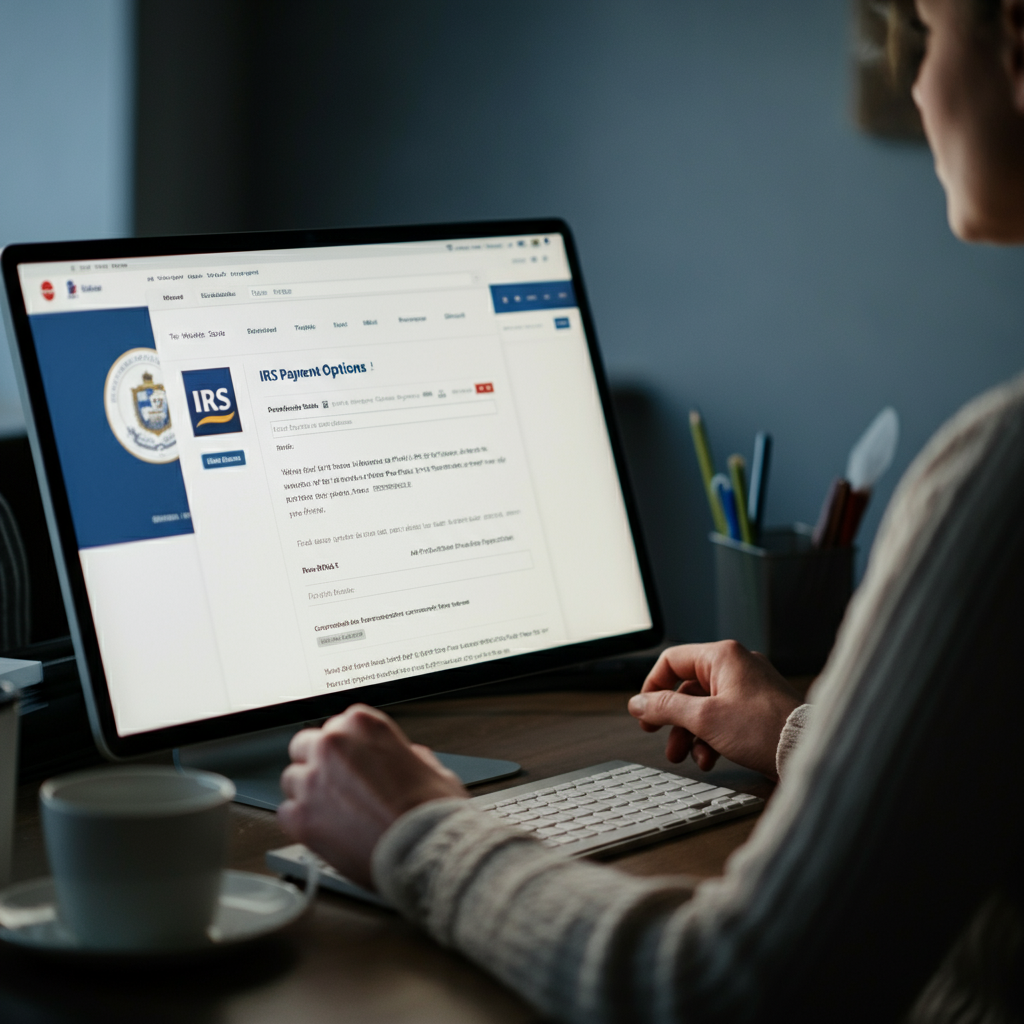
The first step is to confirm whether your federal, state, or local taxing authority accepts credit card payments. Not all agencies do, and those that do may have specific restrictions or preferred payment processors. Check the official website of the IRS (for federal taxes), your state's Department of Revenue (for state income taxes), or your county's tax assessor's office (for property taxes). Look for a section on payment options. They will usually have a dedicated payment portal or list approved third-party payment processors. Avoid using unofficial or unverified websites to make payments, as these could be fraudulent.
Step 2: Choose a Payment Processor
If your taxing authority accepts credit card payments, you'll likely be directed to use a third-party payment processor. The IRS, for example, uses services like PayUSAtax, Pay1040, and ACI Payment, Inc. These processors act as intermediaries between you and the taxing authority. Compare the fees charged by each processor before making your selection. Fees are typically a percentage of the tax amount you're paying and can vary slightly between providers. Consider which processor offers the most convenience and security for your needs. Look for secure websites (HTTPS) with updated security certificates.
Step 3: Understand the Fees Involved
One of the most critical aspects of paying taxes with a credit card is understanding the fees. As mentioned, third-party payment processors charge fees, usually a percentage of the amount you are paying. These fees can quickly add up, especially for larger tax bills. In addition to processor fees, consider your credit card's interest rate. If you don't pay off the balance in full by the due date, you'll accrue interest on the unpaid amount, which can significantly increase the overall cost of paying your taxes with a credit card. Check your credit card agreement for the applicable APR.
Step 4: Make the Payment
Once you've chosen a payment processor and understand the fees involved, you can proceed with making the payment. Visit the processor's website and follow the instructions. You'll need to provide your tax information (e.g., Social Security number, filing status, tax year), credit card details (card number, expiration date, security code), and the amount you're paying. Double-check all information before submitting the payment to avoid errors. After submitting, you should receive a confirmation number and an email receipt. Keep these records for your files.

Step 5: Pay Off Your Credit Card Balance Promptly
The most crucial step after making your tax payment with a credit card is to pay off the balance as quickly as possible. Ideally, you should pay off the entire balance before the next billing cycle to avoid accruing interest charges. If you can't pay the full balance immediately, make a plan to pay it down aggressively. Consider transferring the balance to a credit card with a lower interest rate or taking advantage of a balance transfer offer. Paying only the minimum amount due can result in significant interest charges over time, negating any potential rewards you may have earned.

Common Mistakes to Avoid
- Ignoring the Fees: Failing to account for processor fees and interest charges can make paying taxes with a credit card more expensive than other options.
- Exceeding Your Credit Limit: Make sure you have enough available credit on your card to cover the tax payment and the processor fee. Exceeding your credit limit can result in additional fees and negatively impact your credit score.
- Missing Payment Deadlines: Ensure your payment is submitted before the tax deadline to avoid penalties. Even if you're paying with a credit card, the tax deadline still applies.
- Using Unsecured Websites: Always use secure websites (HTTPS) with updated security certificates to protect your credit card information.
Pro Tips
- Consider a Rewards Card: If you're going to pay taxes with a credit card, use a rewards card that offers points, miles, or cash back. This can help offset the fees involved.
- Weigh the Alternatives: Explore other payment options, such as paying directly from your bank account or setting up a payment plan with the taxing authority.
- Budget Accordingly: Factor the tax payment and associated fees into your budget to ensure you can pay off the balance promptly.
FAQ Section
Q: Is it safe to pay my taxes online with a credit card?
A: Yes, as long as you use secure, reputable third-party payment processors and ensure the website is HTTPS encrypted. Never provide your credit card information on unsecured websites.
Q: Will paying my taxes with a credit card improve my credit score?
A: Paying taxes with a credit card won't directly improve your credit score, but responsibly managing your credit card (i.e., paying off the balance on time) can positively impact your credit score over time.
Q: Can I deduct the fees I pay to the third-party processor on my taxes?
A: No, the fees you pay to the third-party processor are not tax-deductible.
Conclusion
Paying your income or property taxes with a credit card can be a convenient option, offering flexibility and the potential to earn rewards. However, it's essential to carefully consider the fees, interest charges, and your ability to pay off the balance promptly. Weigh the pros and cons to determine if this method is the right choice for your financial situation. Always prioritize responsible credit card management to avoid accumulating debt and negatively impacting your credit score. By following these expert tips, you can make informed decisions about your tax payments and manage your finances effectively.