The plié, derived from the French word "to bend," is a fundamental movement in ballet, acting as the cornerstone for countless steps and combinations. Often the first exercise a ballet student encounters, the plié is much more than a simple knee bend. It's a continuous action requiring precise coordination, strength, and flexibility. A well-executed plié is crucial for shock absorption during jumps, smooth transitions between movements, and overall fluidity in dance.
This guide will break down the intricacies of the plié, covering both the demi-plié (small bend) and the grand-plié (large bend). We will address proper alignment, muscle engagement, and common pitfalls to avoid, helping you develop a strong and technically sound foundation for your ballet journey. Remember, consistency and mindful practice are key to mastering this essential movement.
Whether you're a beginner taking your first ballet class or an experienced dancer refining your technique, understanding the nuances of the plié will undoubtedly enhance your performance and prevent injuries. Let's begin!
Step 1: Understanding the Foundation: Ballet Positions
Before attempting a plié, it's crucial to understand the five fundamental positions of ballet. The plié can be performed in any of these positions, but we'll focus primarily on first and second position as these are most commonly used for learning. In first position, your heels are together, and your toes are turned out, ideally forming a straight line. Second position is similar, but the feet are shoulder-width apart. Correct turnout, originating from the hips and not forced at the knees or ankles, is paramount for a healthy and effective plié. Incorrect turnout can lead to serious knee injuries. Focus on achieving your natural range of motion comfortably.
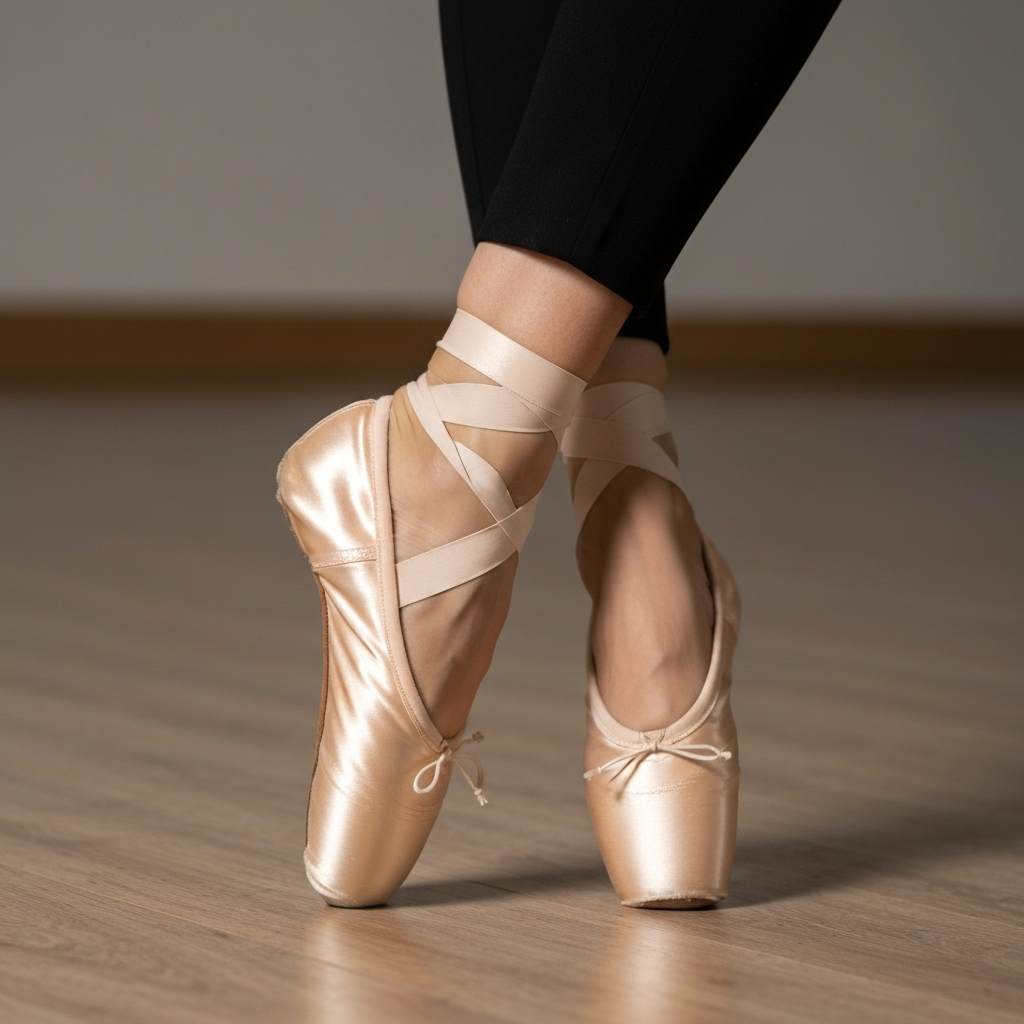
Step 2: Demi-Plié: The Small Bend
Demi-Plié Technique
The demi-plié involves bending your knees while keeping your heels firmly planted on the floor. Begin in your chosen ballet position (first or second). As you bend your knees, maintain a straight back and engage your core muscles for stability. Your knees should track directly over your toes, avoiding any inward or outward deviation. Imagine your torso is floating straight up and down. A common mistake is sticking the hips out or leaning forward; focus on maintaining a vertical line from your head to your hips. Lower until you feel the stretch in your inner thighs and calves, but before your heels begin to lift off the floor. Then, slowly straighten your legs, maintaining control and engagement throughout the movement.

Step 3: Grand-Plié: The Full Bend
Grand-Plié Technique
The grand-plié takes the demi-plié a step further, involving a deeper bend. As you descend into the plié, your heels will naturally lift off the floor (except in second position where the feet are wider apart; the heels may or may not lift). Continue bending your knees until your thighs are parallel to the floor (or as close as possible, depending on your flexibility). It's crucial to maintain proper alignment throughout the grand-plié, ensuring your knees continue to track over your toes and your spine remains straight. As you rise, push through the balls of your feet to lift your heels as late as possible, gradually returning to your starting position. Engaging your glutes and inner thighs during the ascent will help maintain control and prevent injury.
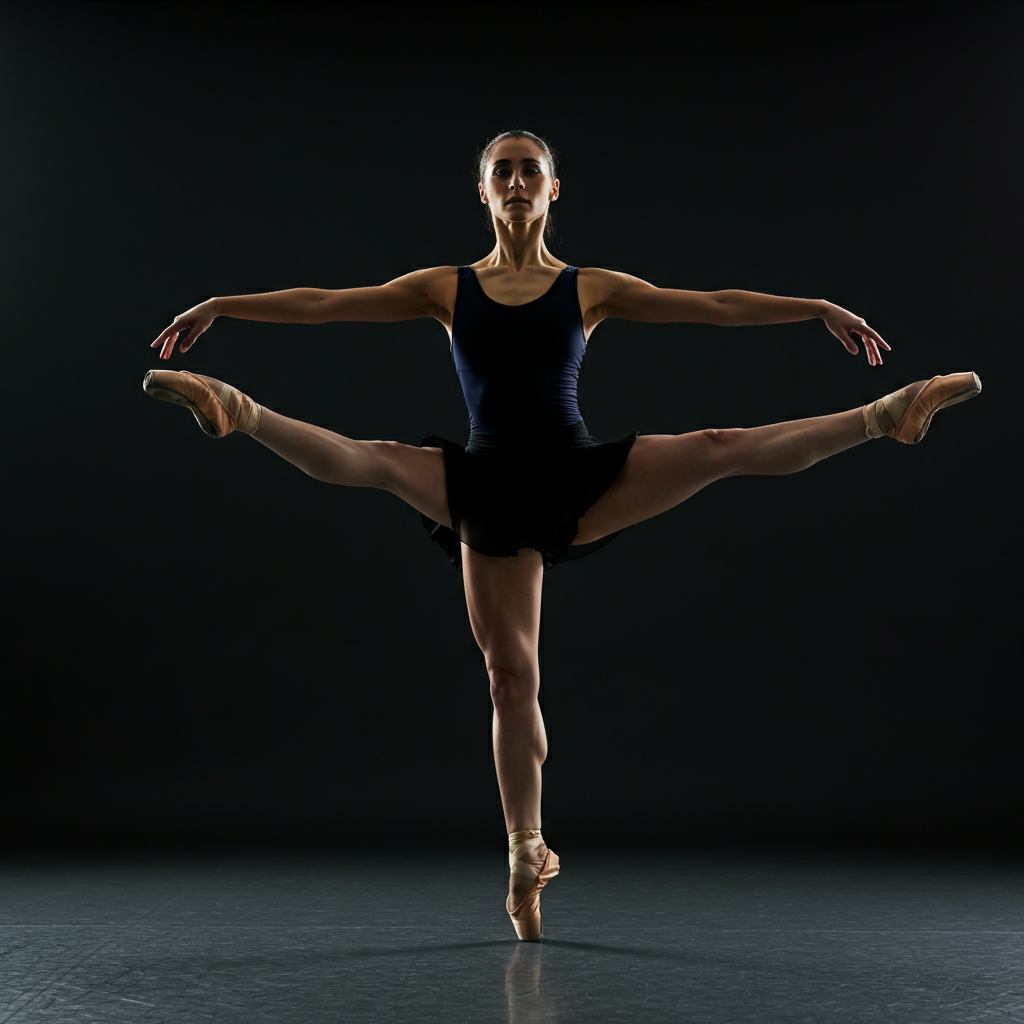
Step 4: Breathing and Coordination
Coordinating your breath with the movement is vital for a smooth and controlled plié. Inhale as you descend into the plié, allowing your ribcage to expand and your core to engage. Exhale as you rise, maintaining core stability and control. Proper breathing can help prevent tension and promote a greater range of motion. Think of your breath as a support system, aiding in both the descent and the ascent of the plié. As you become more comfortable, experiment with different breathing patterns to find what works best for your body.
Step 5: Plié in Different Positions
Expanding Your Repertoire
Once you are comfortable with the plié in first and second positions, gradually introduce it into the other three ballet positions: third, fourth, and fifth. Each position presents unique challenges to balance and coordination. In third position, one foot is slightly in front of the other. In fourth, one foot is in front but spaced further apart than third. Fifth position involves having the front heel to toe back, with legs fully turned out and thighs closely touching. Each position requires precise weight distribution and core engagement to maintain stability. Start slowly and gradually increase the depth of the plié as you gain confidence and strength. Experiment with different arm positions to find what assists you best.

Common Mistakes to Avoid
- Knee Tracking: Allowing the knees to fall inward or outward instead of tracking directly over the toes.
- Hips Sticking Out: Protruding the buttocks instead of maintaining a straight back.
- Forcing Turnout: Attempting to achieve a greater turnout than your body allows, leading to knee strain.
- Rushing the Movement: Performing the plié too quickly, sacrificing control and precision.
- Holding Your Breath: Failing to coordinate your breath with the movement, creating tension.
Safety Considerations
Before practicing pliés, it's essential to warm up your muscles to prevent injuries. Gentle stretches for your calves, hamstrings, and inner thighs are highly recommended. Listen to your body and avoid pushing yourself beyond your limits. If you experience any pain, stop immediately and consult with a qualified ballet instructor or healthcare professional. Proper technique and adequate warm-up are the best defenses against injuries.
Pro Tips
- Engage your core muscles throughout the entire plié to maintain stability and control.
- Visualize a string pulling you up from the crown of your head to maintain a straight back.
- Focus on distributing your weight evenly across both feet to prevent imbalances.
- Practice in front of a mirror to monitor your alignment and technique.
- Record yourself and watch the recording to see if you are doing the exercise correctly.
FAQ Section
- Q: How far down should I go in a grand-plié?
A: Ideally, your thighs should be parallel to the floor. However, it depends on your individual flexibility and strength. Focus on maintaining proper form rather than forcing yourself to go too low. - Q: My knees hurt when I do pliés. What am I doing wrong?
A: Knee pain is often a sign of incorrect alignment or forced turnout. Ensure your knees are tracking over your toes and that you're not forcing your legs to turn out beyond their natural range of motion. Consider seeking guidance from a qualified ballet instructor. - Q: How often should I practice pliés?
A: Pliés can be incorporated into your daily warm-up routine. Regular practice will help improve your strength, flexibility, and technique.
Conclusion
The plié, though seemingly simple, is a complex and essential movement in ballet. Mastering the plié requires attention to detail, consistent practice, and a deep understanding of proper alignment and muscle engagement. By following the steps outlined in this guide and avoiding common mistakes, you can develop a strong and technically sound foundation for your ballet journey. Remember to listen to your body, prioritize safety, and enjoy the process of refining your technique. Happy dancing!