When your husband gets sick, it can disrupt the entire household. Beyond the worry and concern, there's often a need for practical care and support. However, navigating the situation, especially when dealing with a reluctant or particularly vocal patient, can be challenging. This guide offers practical advice and actionable steps to help you provide the best possible care for your husband during his illness.
The key is to approach the situation with a blend of empathy, patience, and practicality. Understanding his needs, respecting his boundaries (while ensuring his well-being), and managing your own stress are crucial components of successful caregiving. Remember, a calm and supportive environment will aid his recovery far more effectively than constant fretting or nagging.
From identifying the illness to providing comfort and knowing when to seek professional help, this guide covers essential aspects of caring for your sick husband. Let's dive in and explore the best strategies to navigate this challenging situation with grace and effectiveness.
Step 1: Assess the Situation
Identifying the Illness and Severity
The first step is to determine what's ailing your husband. Observe his symptoms carefully. Is it a common cold with a runny nose and cough? Or is it something more concerning, like a high fever, difficulty breathing, or severe pain? Ask him about his symptoms, when they started, and what he thinks might have caused them. Understanding the possible cause can help you decide on the appropriate course of action. Don't jump to conclusions; a fever could be anything from a mild flu to something requiring medical attention.
Consider his recent activities: Has he been exposed to anyone who's been sick? Has he traveled recently? This information can be invaluable to a doctor if a visit becomes necessary. Take his temperature and monitor it regularly, noting any changes or trends.
Common Mistake: Dismissing symptoms as "just a cold" without thorough assessment. Pro Tip: Keep a log of symptoms and temperature readings to provide accurate information to healthcare professionals if needed.

Step 2: Provide Basic Comfort and Care
Easing Symptoms and Promoting Rest
Regardless of the specific illness, providing comfort is essential. Encourage him to rest and get plenty of sleep. Create a comfortable environment – dim the lights, ensure the room is at a comfortable temperature, and minimize noise. Offer him fluids regularly to prevent dehydration, especially if he has a fever. Water, herbal teas, and clear broths are excellent choices. Avoid sugary drinks, which can sometimes worsen symptoms.
Over-the-counter medications can help alleviate many common symptoms. Pain relievers like acetaminophen or ibuprofen can reduce fever and ease aches and pains. Decongestants and cough suppressants can provide relief from cold symptoms. Always follow the dosage instructions carefully. Offer him his favorite comfort foods; nourishment plays a key role in recovery. Consider bland, easy-to-digest options like soup, toast, or crackers, especially if he's experiencing nausea.
Tools or Materials Required: Thermometer, over-the-counter medications (pain relievers, decongestants, cough suppressants), tissues, comfortable bedding, humidifier.

Step 3: Administer Medication (Wisely)
Following Doctor's Orders or Over-the-Counter Guidelines
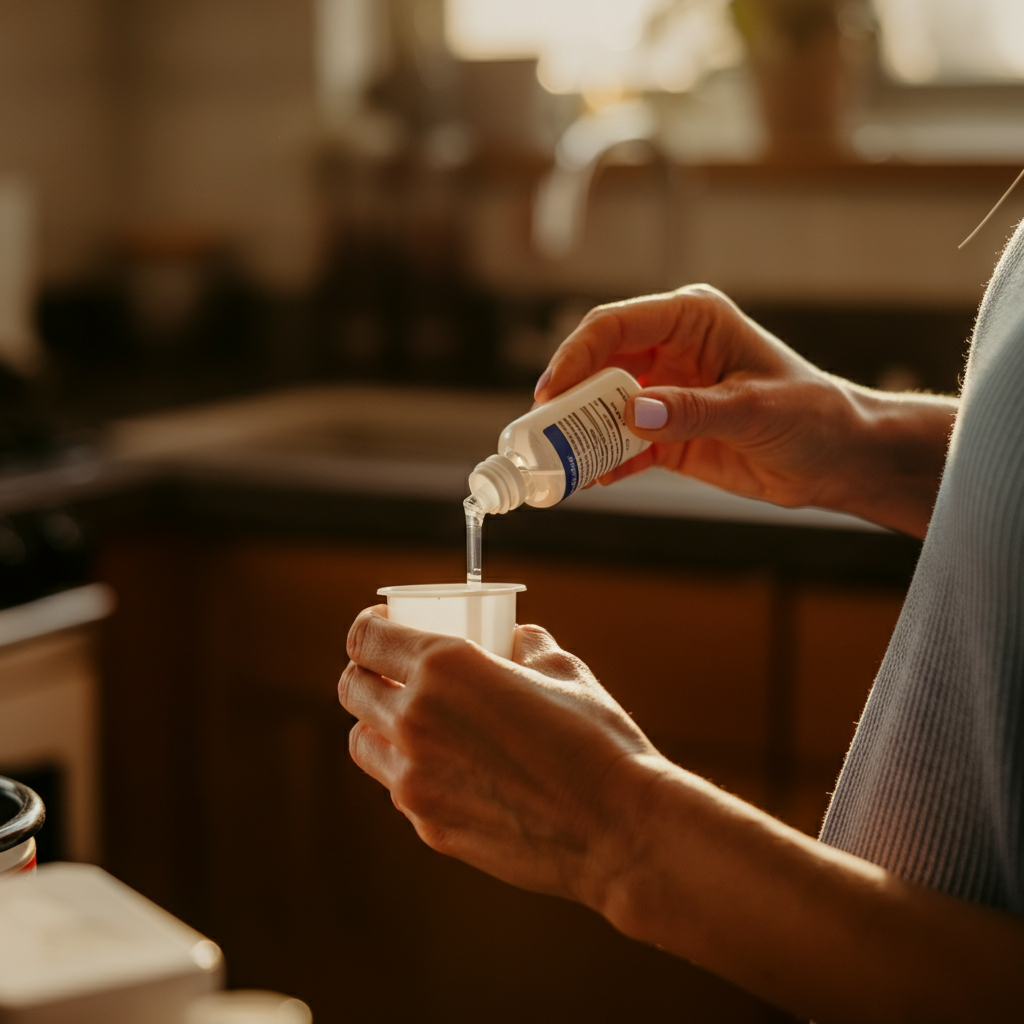
If your husband is taking prescription medications, ensure he takes them as prescribed. Set reminders if necessary. Don't let him skip doses or alter the dosage without consulting a doctor. For over-the-counter medications, carefully read the labels and follow the dosage instructions. Be mindful of potential drug interactions. If he's taking other medications, check with a pharmacist or doctor to ensure the new medication is safe to take alongside them.
If he resists taking medication, try to understand his concerns. Is he worried about side effects? Does he simply dislike taking pills? Sometimes, gently explaining the benefits of the medication can help. You can also try offering it in a different form, such as a liquid or chewable tablet (if available). If he absolutely refuses, don't force it, but closely monitor his symptoms and consider consulting a doctor.
Common Mistake: Giving incorrect dosages or failing to check for drug interactions. Safety Consideration: Store all medications out of reach of children and pets.
Step 4: Monitor and Observe for Worsening Symptoms
Knowing When to Seek Professional Help
Constant monitoring is critical. While rest and home remedies are often sufficient for minor illnesses, some symptoms warrant immediate medical attention. Look out for warning signs such as difficulty breathing, chest pain, severe abdominal pain, persistent high fever (over 103°F or 39.4°C), confusion, seizures, or signs of dehydration (decreased urination, dizziness). If you observe any of these symptoms, call his doctor or seek emergency medical care immediately.
Even if the symptoms seem mild initially, pay attention to how they evolve over time. If his condition worsens despite your efforts, it's best to err on the side of caution and consult a healthcare professional. Trust your instincts. If something doesn't feel right, don't hesitate to seek medical advice. Don’t be afraid to push for a doctor’s visit if he's resistant, especially if you're genuinely concerned about his well-being.

Step 5: Manage Your Own Stress and Well-being
Prioritizing Self-Care While Caring for Others
Caring for a sick husband can be physically and emotionally draining. Remember to prioritize your own well-being. Get enough rest, eat healthy meals, and take breaks when you can. Don't feel guilty about taking time for yourself. Even a short walk or a relaxing bath can make a big difference.
Seek support from friends, family, or support groups. Talking to someone about your concerns can help you cope with the stress. If you're feeling overwhelmed or burnt out, don't hesitate to ask for help with household chores or other responsibilities. Delegate tasks whenever possible to reduce your workload. Remember, you can't effectively care for someone else if you're not taking care of yourself first.
Pro Tip: Schedule short breaks throughout the day to recharge. Even 15 minutes of quiet time can help you feel refreshed.

FAQ Section
Q: My husband refuses to see a doctor. What should I do?
A: Try to understand his reasons for refusing. Is he afraid of doctors? Does he think it's not serious enough? Gently explain your concerns and the potential risks of not seeking medical attention. If he continues to refuse, but his symptoms are concerning, consider consulting with a doctor or trusted friend/family member to help convince him. In extreme cases, you may need to seek advice on how to proceed against his will, but this should be a last resort.
Q: How can I prevent myself from getting sick?
A: Practice good hygiene. Wash your hands frequently with soap and water. Avoid touching your face. Get enough sleep, eat healthy foods, and stay hydrated. Consider getting vaccinated against the flu or other illnesses if appropriate. Maintain some distance from your husband while he is contagious, if possible.
Conclusion
Caring for a sick husband requires patience, empathy, and practical skills. By accurately assessing his condition, providing comfort, administering medication appropriately, monitoring his symptoms, and prioritizing your own well-being, you can help him recover effectively. Remember to trust your instincts and seek professional medical advice when necessary. By following these steps, you can navigate this challenging situation with confidence and provide the best possible care for your loved one.