Cotton slime has taken the internet by storm, and for good reason! This unique slime offers a delightfully fluffy and stretchy texture, providing hours of sensory fun. Unlike many other slime recipes, cotton slime requires minimal ingredients, making it an accessible and budget-friendly project for all ages. The key ingredient, of course, is cotton – combined with a common household item, soap, it transforms into a mesmerizing, ASMR-worthy creation.
This tutorial will walk you through the entire process of creating cotton slime, from gathering your materials to perfecting the texture and storing your creation. We'll also share expert tips to ensure your slime turns out perfectly every time. Get ready to dive into the world of cotton slime and unleash your inner artist!
Whether you're a seasoned slime enthusiast or a curious beginner, this guide provides all the information you need to create the perfect batch of cotton slime. So, gather your supplies and let's get started!
Tools or Materials Required
- Cotton balls or cotton stuffing (from a pillow or stuffed animal)
- Soap or shampoo
- Bowl
- Spoon or mixing utensil
- Optional: Food coloring
- Airtight container for storage
Step 1: Gather Your Ingredients
Preparing the Materials
The beauty of cotton slime lies in its simplicity. You'll primarily need cotton stuffing and soap. Cotton balls work great, or you can repurpose the stuffing from an old pillow or stuffed animal. As for soap, any kind will do – hand soap, body wash, or even shampoo. If you desire a colorful slime, grab some food coloring. Make sure you have all the necessary materials before proceeding.

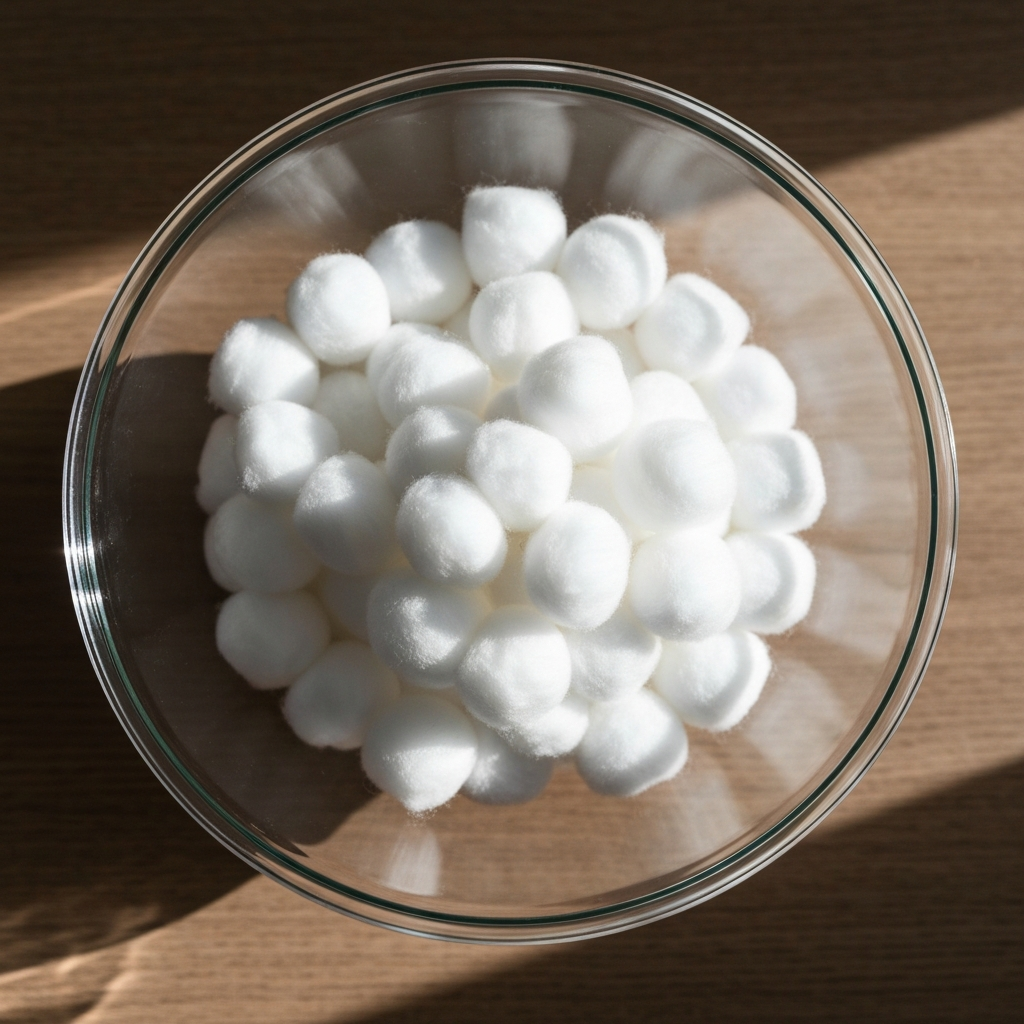
Step 2: Place Cotton in the Bowl
Choosing the Right Amount of Cotton
Select a bowl that's appropriately sized for the amount of slime you intend to make. For a single serving, a standard cereal bowl is perfect. Fill the bowl with cotton stuffing, leaving some room at the top for mixing. There's no precise measurement required at this stage; you can always add more cotton later to achieve the desired consistency. Err on the side of caution – starting with less and adding more is always easier than having too much.
Step 3: Add the Soap
Incorporating the Soap
Now for the fun part! Take your chosen soap or shampoo and gently squeeze a few spoonfuls over the cotton in the bowl. Start with a small amount of soap, as too much can make the slime overly sticky. A good rule of thumb is to use approximately one-third the volume of soap compared to the cotton. If you're using food coloring, add a few drops to the bowl at this stage. This allows for even distribution of the color throughout the slime.

Step 4: Mix Thoroughly
Achieving the Right Texture
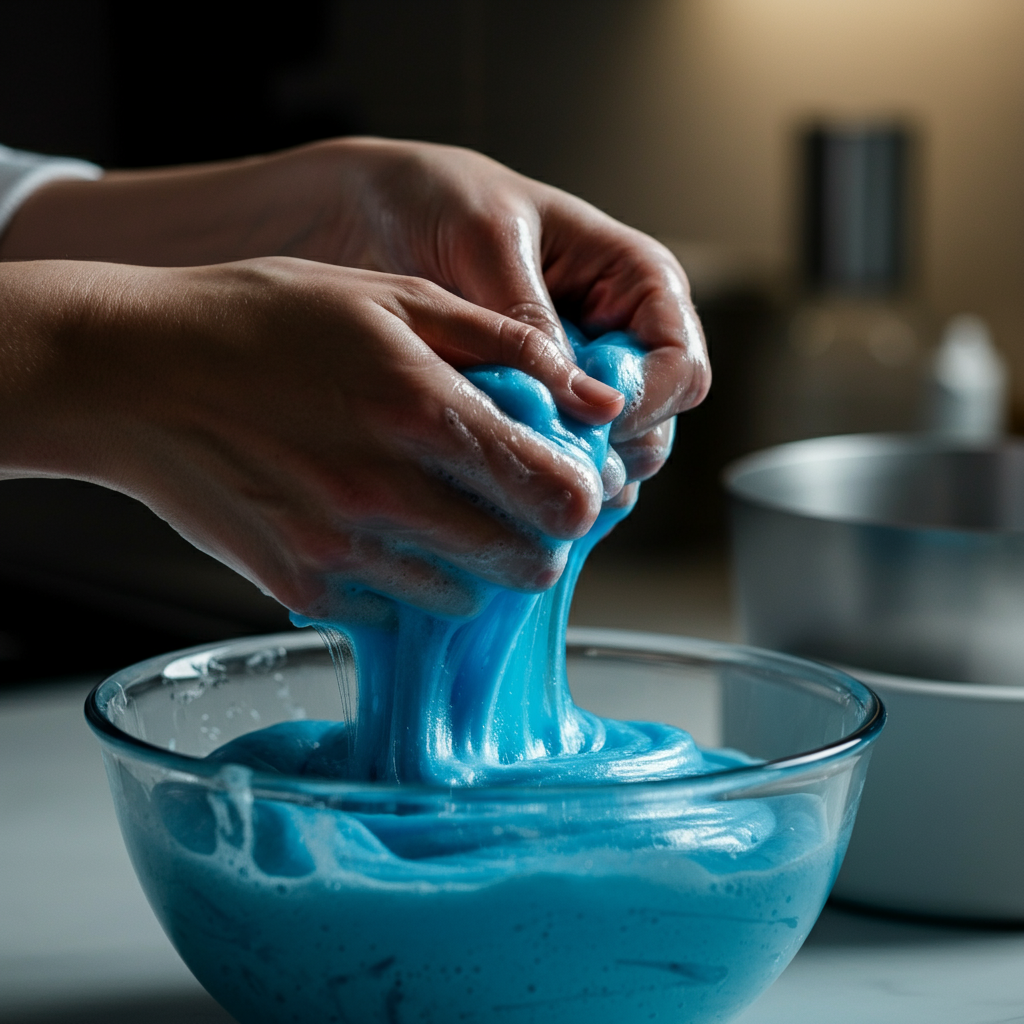
Using a spoon or mixing utensil, gently combine the cotton and soap until they are just combined. Then, it's time to get your hands dirty! Pick up the mixture and begin working it with your hands. The longer you mix, the fluffier the slime will become. This is where you'll start to see the magic happen as the cotton and soap transform into a cohesive, stretchy substance. Be patient and persistent, and don't be afraid to get messy!
Step 5: Adjust the Consistency
Troubleshooting Your Slime
Once you've mixed the slime for a few minutes, assess its consistency. If it's too sticky, gradually add more cotton stuffing until you achieve the desired texture. Conversely, if it's too stiff or dry, add a small amount of soap at a time. The key is to make adjustments gradually, as a little goes a long way. Continue mixing until the slime is stretchy, fluffy, and not overly sticky.

How to Play with Cotton Slime
Enhancing the Sensory Experience
Cotton slime is best enjoyed with your fingertips, using a gentle "tapping" motion. Due to its inherently sticky nature, playing with your palms can lead to a mess. Slime expert Amy Sheree recommends treating cotton slime as a "tapping slime," focusing on the tactile sensation against your fingertips. To minimize stickiness, consider spraying a small amount of slime activator or even a bit of soap onto your hands before handling the slime.
How to Store Cotton Slime
Maintaining Freshness
Proper storage is crucial for maintaining the quality of your cotton slime. Store it in an airtight container or Ziploc bag to prevent it from drying out. Slime expert Angelina Ly emphasizes the importance of airtight plastic jars. Avoid exposing the slime to direct sunlight or heat, as this can cause it to melt. Unlike some other slime types, cotton slime doesn't require refrigeration.
Common Mistakes to Avoid
- Adding too much soap: Start with a small amount and gradually add more as needed.
- Not mixing thoroughly: Proper mixing is essential for achieving the desired texture.
- Exposing the slime to air: Always store cotton slime in an airtight container.
- Using dirty hands: Clean hands prevent the slime from becoming sticky and contaminated.
Safety Considerations
While cotton slime is generally safe, it's important to supervise children during playtime. Ensure that they do not ingest the slime. Wash hands thoroughly after handling the slime. If any irritation occurs, discontinue use.
Pro Tips
- Experiment with different types of soap to achieve unique textures and scents.
- Add glitter, beads, or other embellishments to customize your slime.
- Kneading the slime on a clean, non-stick surface can help improve its consistency.
FAQ Section
- Can I use different types of cotton?
- Yes, you can use cotton balls, cotton stuffing, or even cotton pads. Experiment to see which type you prefer.
- What if my slime is too sticky?
- Add more cotton stuffing, a little bit at a time, until you achieve the desired consistency.
- How long will my cotton slime last?
- With proper storage, cotton slime can last for several weeks. Discard it if it becomes moldy or discolored.
Conclusion
Congratulations! You've successfully created your own batch of cotton slime. With its simple ingredients and satisfying texture, cotton slime is a fun and rewarding project for all ages. Remember to experiment with different variations, and always prioritize safety and proper storage. Now go forth and enjoy your fluffy, stretchy creation!