Onam, the vibrant harvest festival of Kerala, is a ten-day celebration steeped in rich tradition and cultural significance. Celebrated annually during the months of August and September, it marks the homecoming of the legendary King Mahabali. Whether you're Keralite living abroad or simply interested in experiencing this unique festival, this guide will provide you with the essential steps to fully immerse yourself in the Onam spirit.
From creating intricate floral carpets (Pookalam) to indulging in the elaborate Sadya feast, Onam is a sensory experience like no other. This guide details the specific customs practiced each day, allowing you to participate meaningfully in the festivities. Get ready to embrace the joy, unity, and cultural heritage that define this auspicious occasion.
Beyond the rituals, Onam is about fostering community spirit and strengthening bonds with loved ones. The exchange of gifts, the sharing of food, and the coming together of families are integral to the Onam experience. Follow these steps to experience the best of Onam.
Step 1: Visiting Temples on Atham (Day 1)
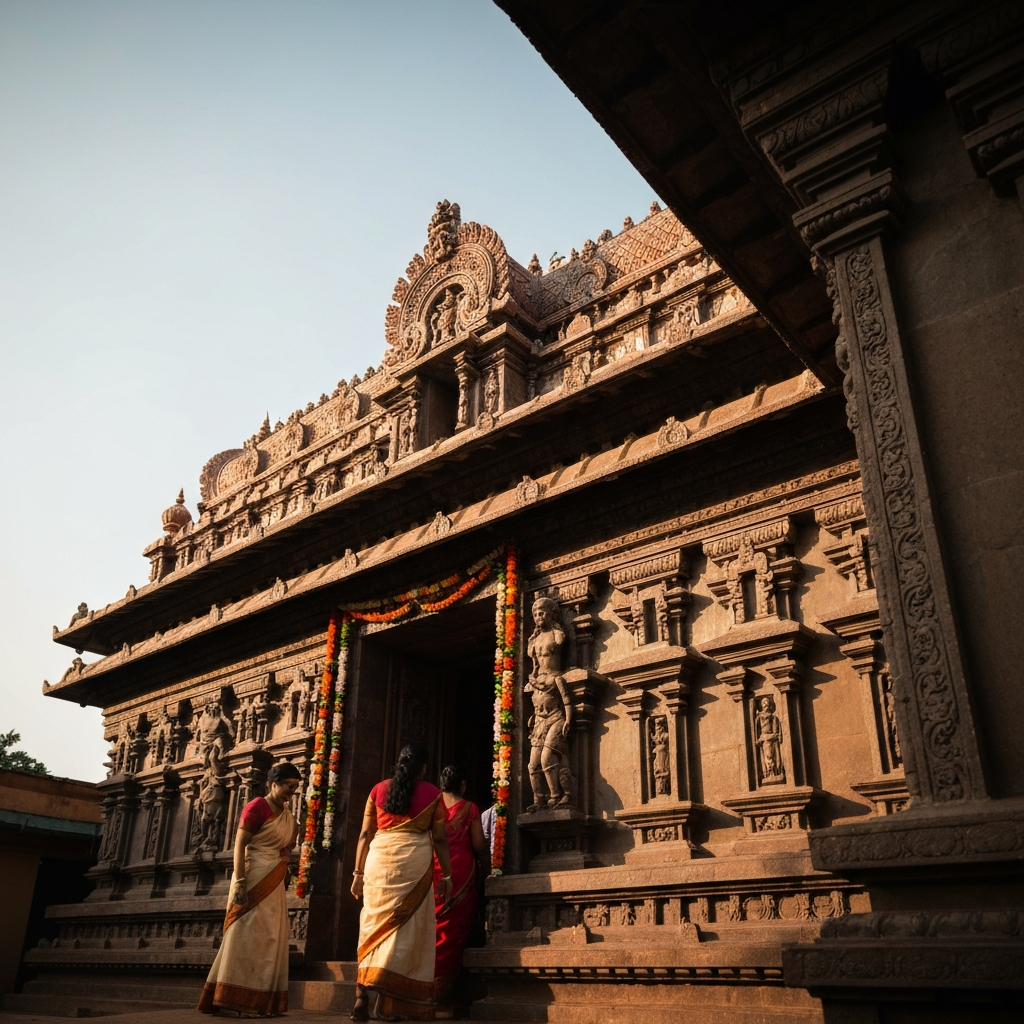
The first day of Onam, known as Atham, marks the beginning of the ten-day celebration. A key tradition on this day is visiting a local temple to offer prayers for King Mahabali's safe return to Kerala. Seek out a temple in your area during the morning and participate in the rituals performed. This act symbolizes welcoming the King and setting the stage for the festivities to come.
Considerations: Research local temples in advance to find their opening hours and any specific customs they observe during Onam. Dress modestly and be prepared to remove your shoes before entering the temple. Arrive early to avoid large crowds, especially during peak hours.
Step 2: Participating in the Athachamayam Procession
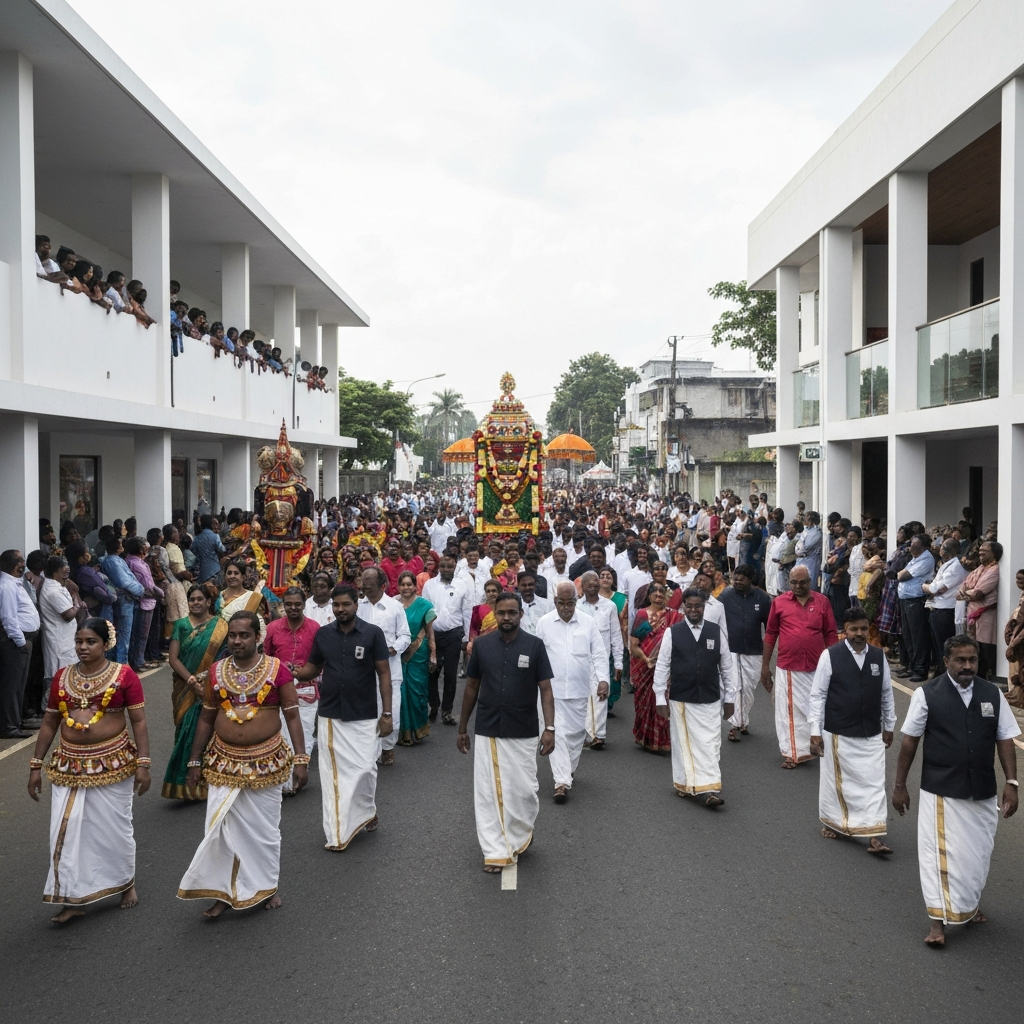
If you find yourself near Thrippunithura, a city close to Kochi, don't miss the Athachamayam procession. This grand cultural event marks the official start of Onam celebrations. Join the procession as it winds its way through the city, offering prayers and small trinkets at the designated destination. It is believed that King Mahabali departed from this world near this very location.
Pro Tips: The Athachamayam procession is a vibrant spectacle with colorful floats, traditional music, and dance performances. Plan your travel in advance to avoid traffic congestion and secure a good viewing spot. Be prepared for large crowds and a festive atmosphere.
Step 3: Initiating the Pookalam Design
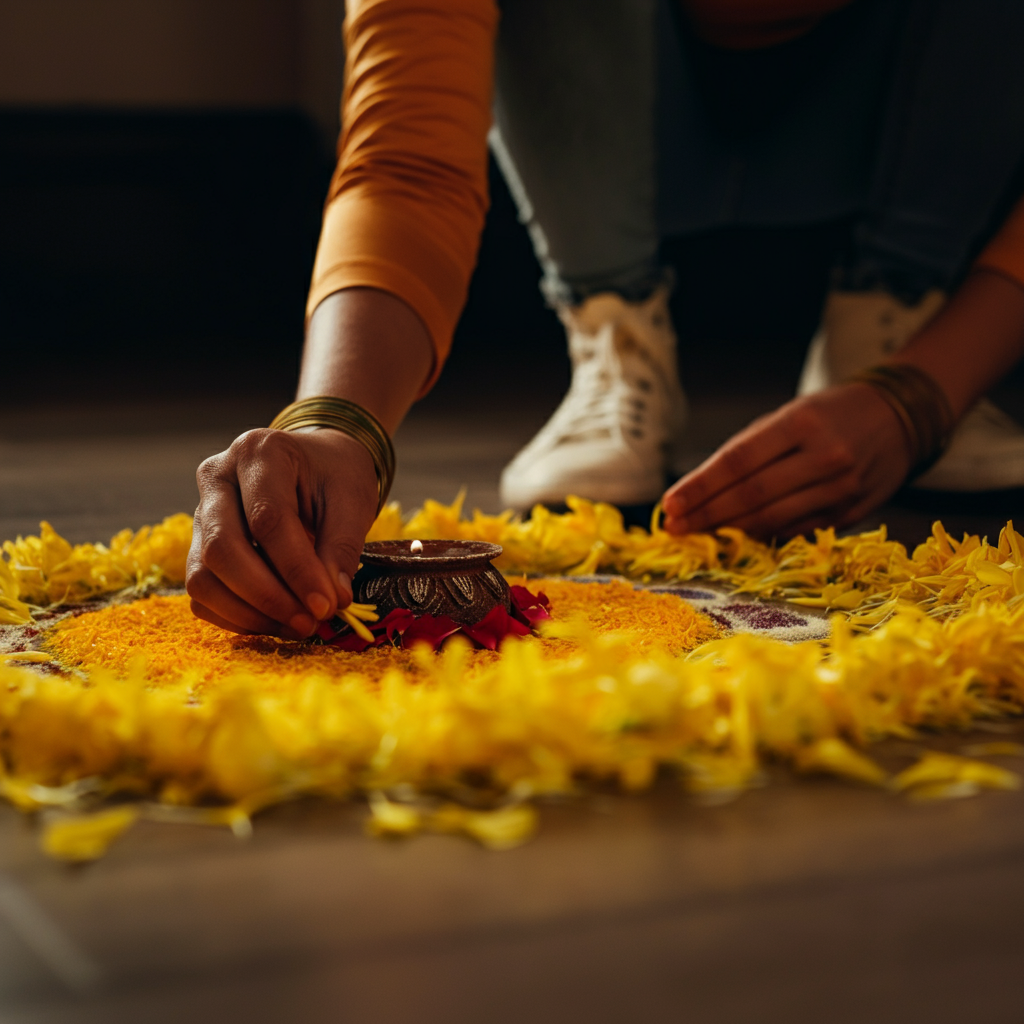
Creating the Pookalam, a multi-colored floral carpet, is a central element of Onam celebrations. This intricate design adorns the entrance of homes and symbolizes a warm welcome to King Mahabali. On Atham, the first day, the Pookalam design begins with a simple arrangement of yellow flowers in a circular pattern. The design will evolve and become more complex and colorful as the days progress.
Tools or Materials Required: Fresh flowers (primarily yellow on Atham), scissors, a circular template (optional), and a clean surface to create the Pookalam. Start with a simple design and gradually add complexity as you gain confidence. Consider using readily available local flowers.
Step 4: Cleaning the House on Chithira (Day 2)
On the second day of Onam, Chithira, it's time to thoroughly clean your home. This signifies preparing a clean and welcoming space for King Mahabali's arrival. Scrub your house from floor to ceiling, removing any clutter or debris. Pay attention to both the interior and exterior, ensuring a tidy and presentable appearance.
Common Mistakes to Avoid: Don't rush the cleaning process. Take your time and pay attention to detail. Focus on decluttering and organizing your space as well as cleaning surfaces. Consider involving family members to make the task more efficient.

Step 5: Shopping on Chodhi (Day 3)
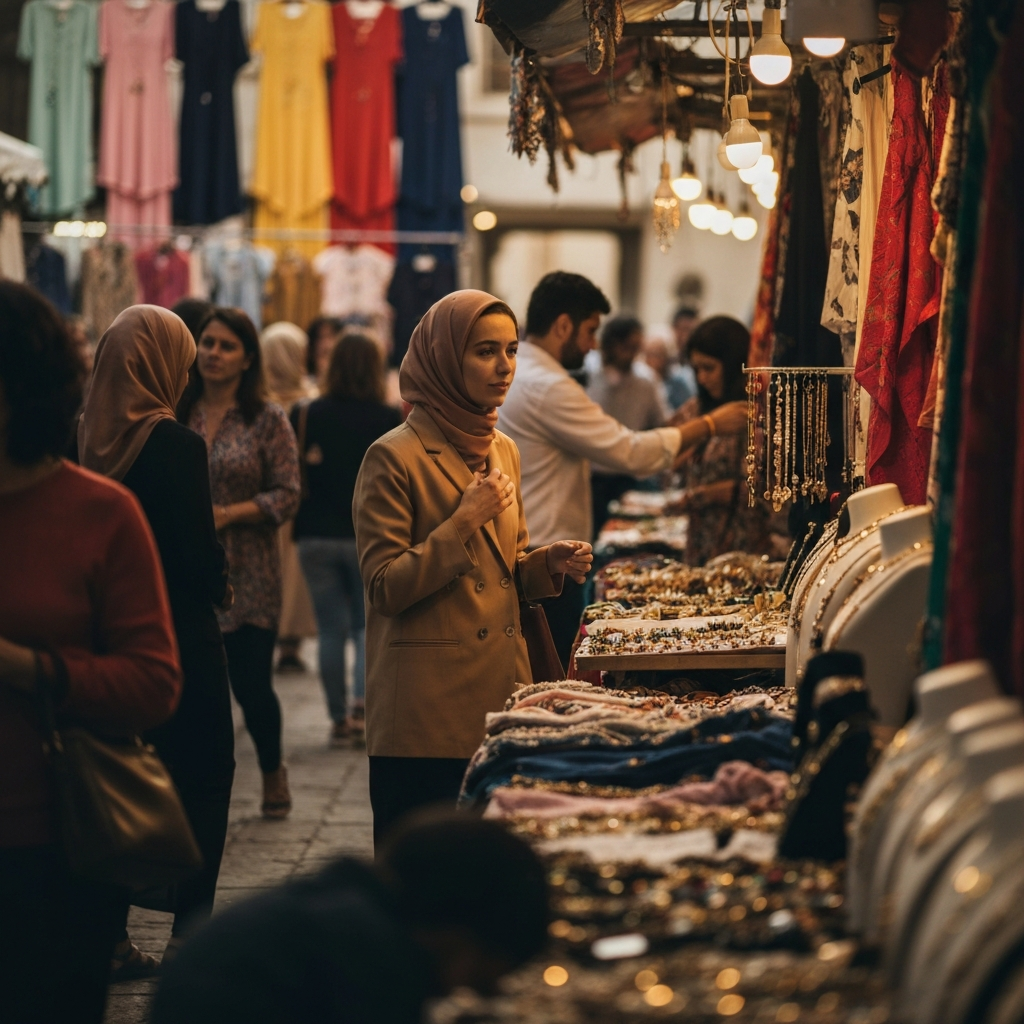
Chodhi, the third day of Onam, is dedicated to shopping for gifts and new clothes. Go to the market with your family and browse for items to give to loved ones. These gifts don't need to be extravagant; a thoughtful gesture is what matters most, especially if you plan to give gifts to multiple family members.
Pro Tips: Research local markets in advance to find the best deals and selection. Consider gifting traditional Kerala attire, such as sarees and dhotis. Set a budget beforehand to avoid overspending. This day is about the spirit of giving, not the monetary value of the gifts.
Step 6: Initiating Sadya Preparations on Vishakam (Day 4)
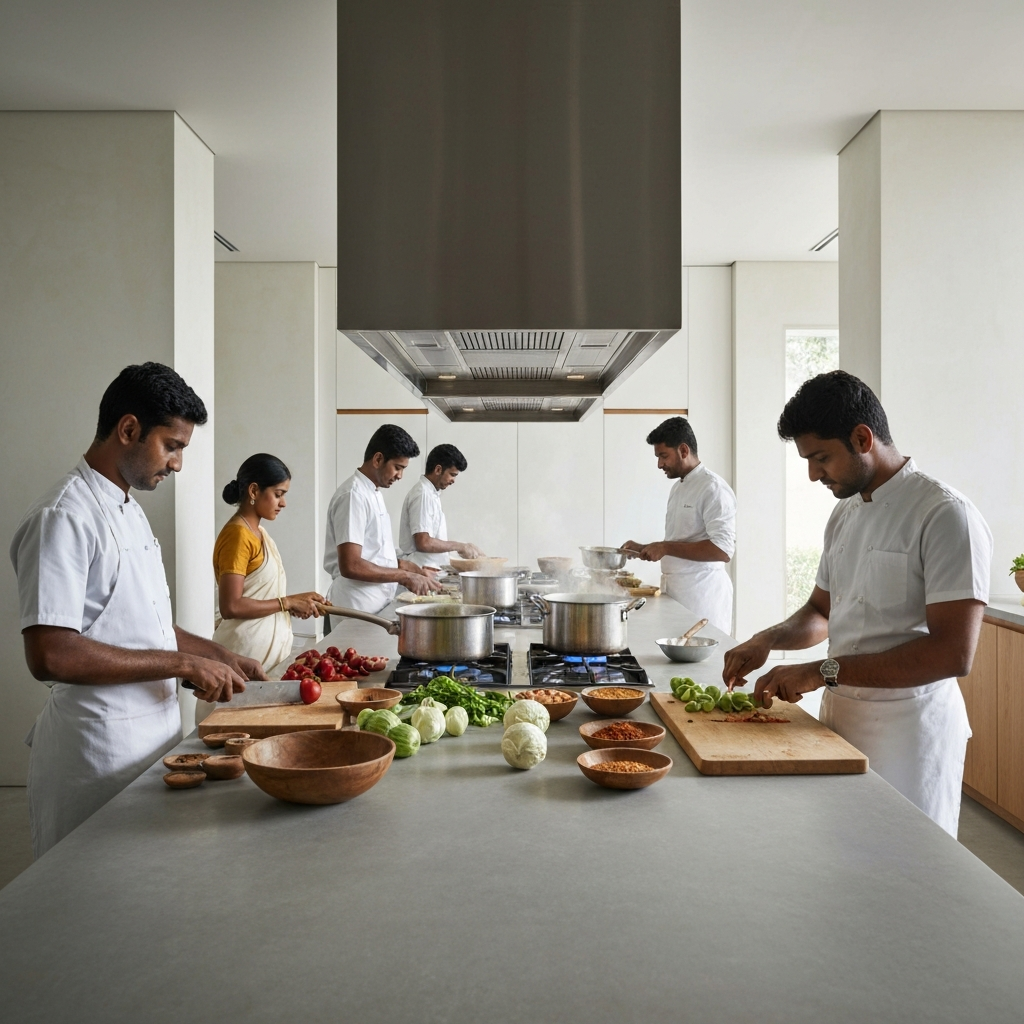
The Onam Sadya, an elaborate vegetarian feast consisting of up to 26 dishes, is a highlight of the celebration. On Vishakam, the fourth day of Onam, begin preparing for this grand meal. Each family member is expected to contribute in some way, whether by gathering ingredients from the market or grinding herbs and spices.
Tools or Materials Required: A variety of fresh vegetables, spices, lentils, rice, coconut, and other ingredients needed for the Sadya dishes. Cookware, utensils, and a grinding stone or blender. Plan the menu in advance and create a shopping list to ensure you have all the necessary ingredients. Consider delegating tasks to family members to make the preparation process more efficient.
Step 7: Exchanging Gifts on Thriketa (Day 6)
The sixth day, Thriketa, is traditionally a time to visit your ancestral home and exchange gifts with relatives. Travel to the house of your oldest living relative and meet with other family members gathered there. This is a special time to strengthen family bonds and share the joy of Onam. The gifts you purchased a few days prior are exchanged at this gathering.
Safety Considerations: If traveling long distances, plan your journey carefully and ensure safe transportation. Be mindful of traffic conditions and allow ample travel time. If visiting elderly relatives, take extra precautions to protect their health and well-being.

Step 8: Visiting Community Families on Moolam (Day 7)
On Moolam, the seventh day of Onam, extend your celebrations beyond your immediate family and visit other families in your community. Share miniature Sadya meals with your neighbors or visit your local temple and enjoy a Sadya prepared for worshippers. This fosters a sense of community and shared celebration.
Pro Tips: Coordinate with your neighbors to avoid overlapping visits. Bring a small gift or offering to show your appreciation. Be respectful of different cultural customs and traditions. Remember, Onam is a time for inclusivity and goodwill.

Step 9: Welcoming Mahabali and Vamana on Pooradam (Day 8)
For Pooradam, the eighth day, purchase miniature statues of Mahabali and Vamana. These statues are symbolic representations of the king and the deity. Walk these statues around your house in a ceremonial welcome, then place them at the center of your Pookalam. This is a significant moment as the statue of Mahabali is then referred to as Onathappan.
FAQ Section: Where can I purchase the statues of Mahabali and Vamana? You can find them at most local markets or religious stores. What is the significance of Onathappan? Onathappan is the representation of King Mahabali placed on the Pookalam, signifying his honored presence during Onam.
Step 10: Final Sadya Preparations on Uthradam (Day 9)
Uthradam, or Onam eve, is the day for final preparations for the grand Sadya. Shop for any remaining fresh vegetables or fruits needed for the meal. Give your house one last thorough cleaning to ensure everything is clean and orderly, ready for the main celebration.
Common Mistakes to Avoid: Don't leave shopping until the last minute, as popular items may be sold out. Double-check your Sadya menu and ingredient list to ensure you have everything you need. Prepare as much of the meal in advance as possible to reduce stress on the final day.
Step 11: Scattering Rice Flour on Thiruvonam (Day 10)
On Thiruvonam, the final and most important day, start by scattering rice flour across your door's entrance. This tradition signals to others that you're celebrating Onam and welcoming visitors. It's a gesture of hospitality and open arms, inviting others to share in the festivities.
Pro Tip: Ensure the rice flour is finely ground for easy scattering. Consider creating a simple pattern with the rice flour for a more decorative touch. Be mindful of the wind to prevent the flour from being blown away.
Step 12: Adorning New Clothes on Thiruvonam (Day 10)
Wake up early on Thiruvonam and take a refreshing bath. Then, put on your new clothes, often gifted to you by the eldest female member of the family. Women typically wear white sarees with a golden border, while men wear white dhotis with a golden border. This symbolizes new beginnings and festive cheer.
Safety Considerations: Ensure your clothing is comfortable and allows for ease of movement, as you'll likely be participating in various activities throughout the day. Be mindful of the weather and choose clothing that is appropriate for the climate. Consider wearing comfortable footwear, as you may be doing a lot of walking.
Step 13: Enjoying Fireworks on Thiruvonam (Day 10)
Throughout the Onam celebrations, and especially on the final day, temples and cities often host lights and fireworks displays. Find a local venue and watch the spectacle. The displays can range from modest to extravagant, depending on the budget of the local organizers. It’s a beautiful and exciting way to conclude the festivities.
Safety Considerations: Maintain a safe distance from the fireworks display. Follow the instructions of the event organizers. Protect your ears from loud noises and supervise children closely. Be aware of potential fire hazards and take necessary precautions.
Step 14: Positioning the Banana Leaf for the Sadya
Before indulging in the Sadya, proper etiquette is essential. The banana leaf serves as your plate, and its position is crucial. Place the leaf with the tapered end pointing to your left. Ensure it's close enough so you can comfortably reach the food without straining.
Common Mistakes to Avoid: Don't place the leaf in the wrong direction, as it's considered impolite. Ensure the leaf is clean and free of any debris before placing food on it. Be mindful of your posture and avoid leaning too far forward while eating.
Step 15: Concentrating on the Current Course
A Sadya can consist of up to 24 dishes served sequentially. It's easy to get overwhelmed and full quickly if you try to eat everything at once. Instead, focus on savoring each dish in the current course as it's served. This allows you to appreciate the diverse flavors and textures of the Sadya.
FAQ Section: What if I want to eat more of a previous dish? It's perfectly acceptable to return to previous dishes after trying the new ones in the current course. What is the typical order of flavors in a Sadya? The courses typically alternate between salty and spicy flavors, with dessert courses served either at the end or in the middle.
Step 16: Folding the Leaf Upon Completion
Once you've finished eating, the final step is to fold the banana leaf properly. Gently fold the leaf from top to bottom, creating a small packet that contains the remaining food. Then, pull the folded leaf slightly towards you. The act of folding the leaf is a sign of appreciation to the host and a sign that you enjoyed your meal.
Common Mistakes to Avoid: Never push the leaf away from you or leave it unfolded, as it signifies dissatisfaction with the meal and is considered disrespectful. Be mindful of the direction in which you fold the leaf. Ensure the leaf is folded neatly and securely to avoid spilling any food.
Conclusion
Celebrating Onam is a deeply rewarding experience that offers a glimpse into the rich cultural heritage of Kerala. By following these steps, you can fully immerse yourself in the traditions, rituals, and festivities that define this auspicious occasion. Remember to embrace the spirit of unity, generosity, and joy that embodies the essence of Onam.