Kwanzaa, observed from December 26th to January 1st, is a vibrant celebration of African American heritage and culture. More than just a holiday, it's a time for reflection, community building, and recommitment to the principles that uplift and empower. Rooted in the "first fruits" celebrations of African cultures, Kwanzaa emphasizes seven core values, known as the Nguzo Saba, that guide individuals and communities toward a brighter future.
This guide will walk you through the history, principles, and practices of Kwanzaa, offering practical steps and expert insights to help you create a meaningful and authentic celebration. Whether you're a seasoned Kwanzaa observer or new to the tradition, this resource will equip you with the knowledge and inspiration to embrace the spirit of Kwanzaa and share it with your loved ones. Remember, Kwanzaa is a cultural holiday, not a religious one, and can be celebrated alongside other traditions like Christmas and Hanukkah.
Sociologist Lawrence Carter explains that Kwanzaa is a holiday that was created around a bunch of different themes. The creator of this holiday got parts of traditions from North Africa, West Africa, South Africa, East Africa, and combined them into one. He created this beautiful celebration that promoted community and celebrated being around the people you appreciate, personal growth, and all of the things intertwined.
Step 1: Understand the Nguzo Saba (Seven Principles)
The foundation of Kwanzaa lies in the Nguzo Saba, seven principles that provide a framework for living a fulfilling and meaningful life. Each day of Kwanzaa is dedicated to one of these principles, encouraging reflection and action. These principles are Umoja (Unity), Kujichagulia (Self-Determination), Ujima (Collective Work and Responsibility), Ujamaa (Cooperative Economics), Nia (Purpose), Kuumba (Creativity), and Imani (Faith). Learning and internalizing these principles is the first step to truly embracing the spirit of Kwanzaa. Take time to read about each principle and consider how you can incorporate it into your daily life.
Step 2: Create a Kwanzaa Setting
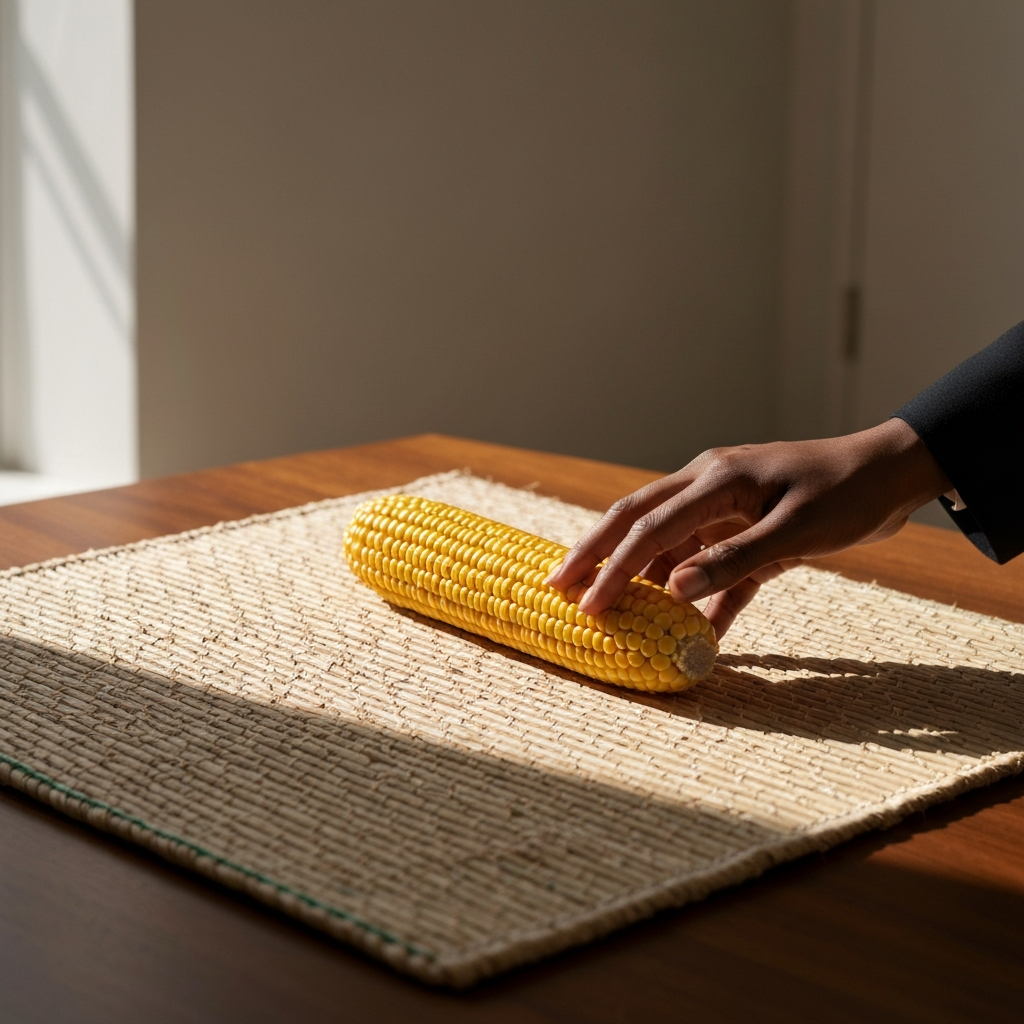
Setting the stage for Kwanzaa involves creating a visually meaningful space that reflects African heritage. The central element is the mkeka, a straw or woven mat symbolizing the foundation upon which African Americans build their lives. On top of the mkeka, place the kinara, a seven-branched candleholder, along with the seven mishumaa saba (candles) representing the Nguzo Saba. Arrange mazao (fruits and vegetables) to symbolize the fruits of collective labor, and muhindi (ears of corn), with one ear representing each child in the family, or the children of the community. Lastly, include the kikombe cha umoja, a unity cup for pouring libations, and zawadi (gifts), which are often handmade or educational.
Step 3: Light the Mishumaa Saba (Candles)
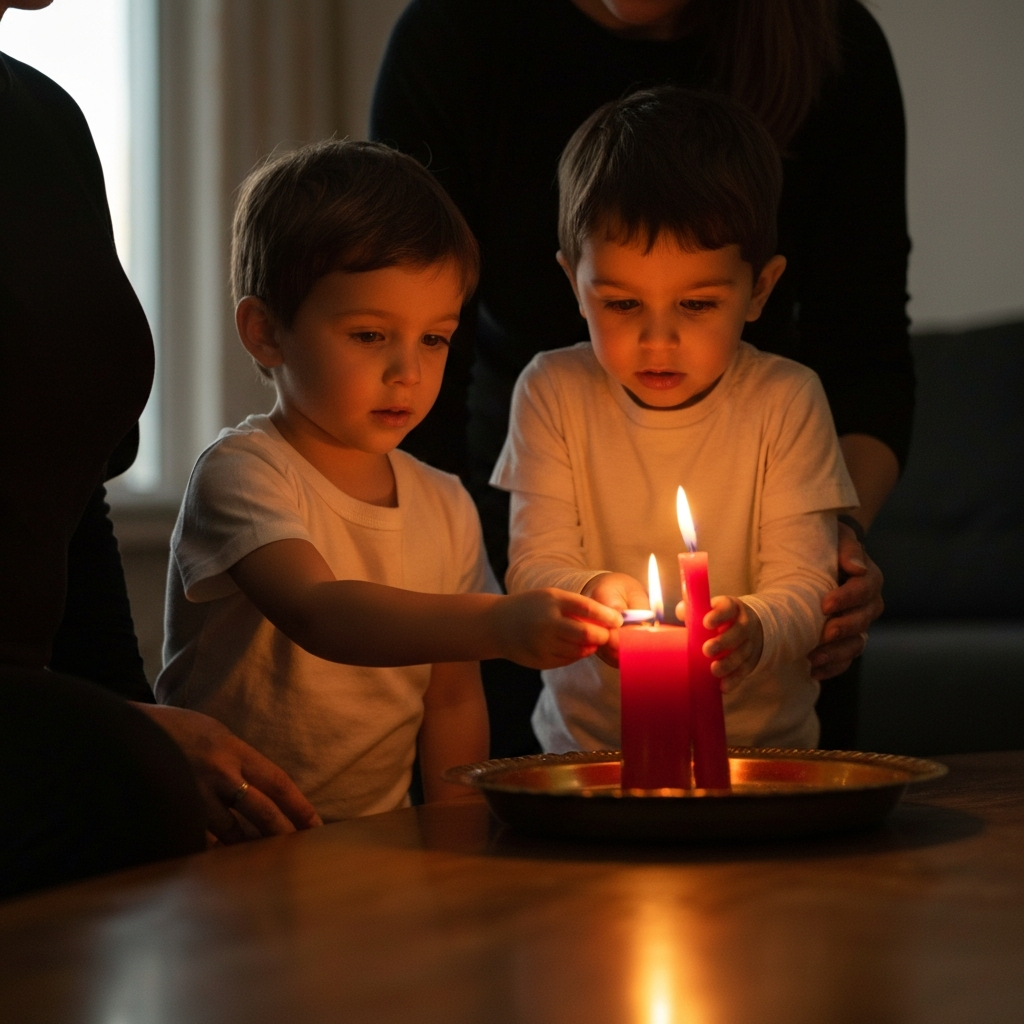
Each evening during Kwanzaa, light one candle on the kinara, starting with the black candle in the center, representing Umoja (Unity). The remaining candles are three red (representing struggle) and three green (representing hope). The order in which you light the red and green candles may vary. Some light from left to right (red to green), while others alternate between red and green, lighting from the innermost to the outermost candles. As you light each candle, discuss the principle it represents and how it applies to your life and community. This is a time for reflection and commitment.
Step 4: Participate in Daily Discussions and Activities
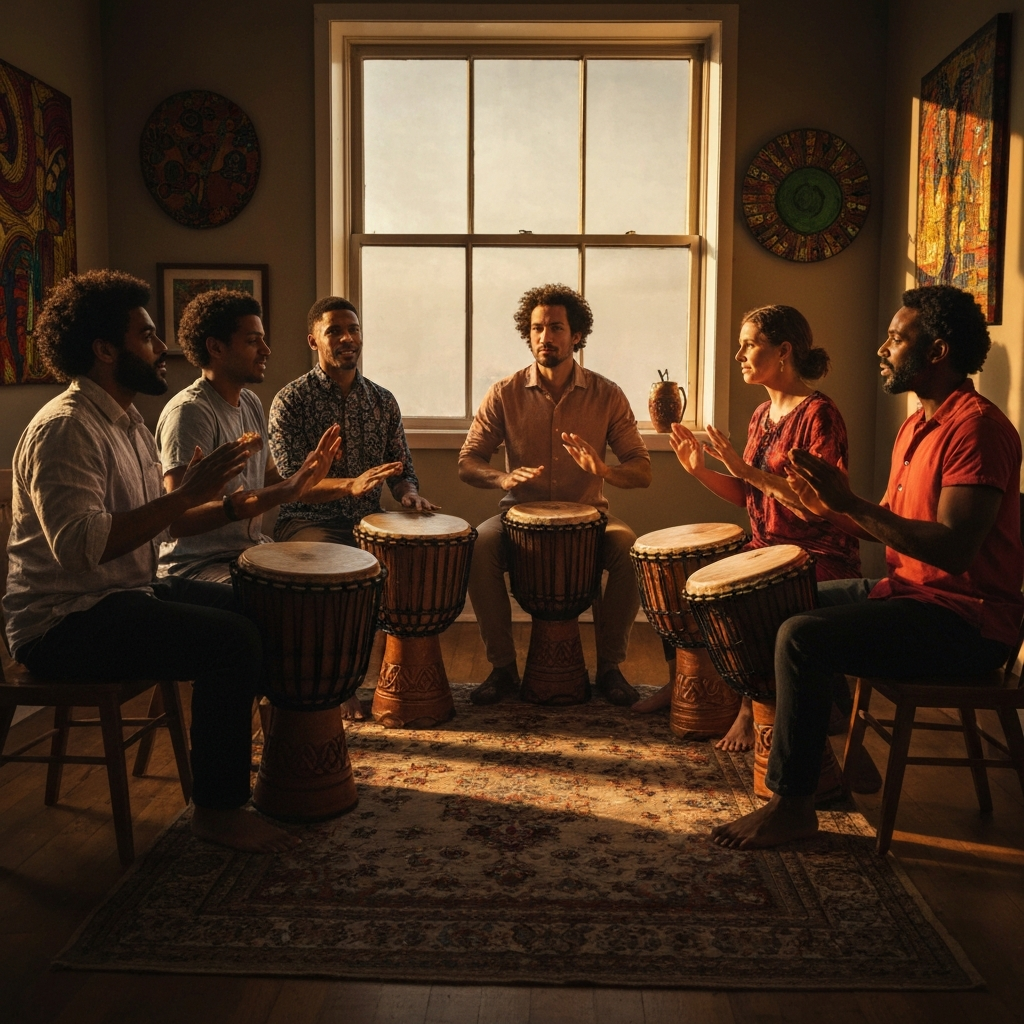
Kwanzaa is a time for reflection and engaging in activities that promote the principles of Nguzo Saba. This could include readings from African and African American literature, discussions about African history and culture, artistic performances, drumming, and sharing stories. Consider incorporating activities that are meaningful to your family and community, and that reflect your unique heritage. Remember that Kwanzaa is also about personal growth, so be sure to engage in self-reflection and consider how you can better embody the principles in your life.
Step 5: Host a Karamu Feast
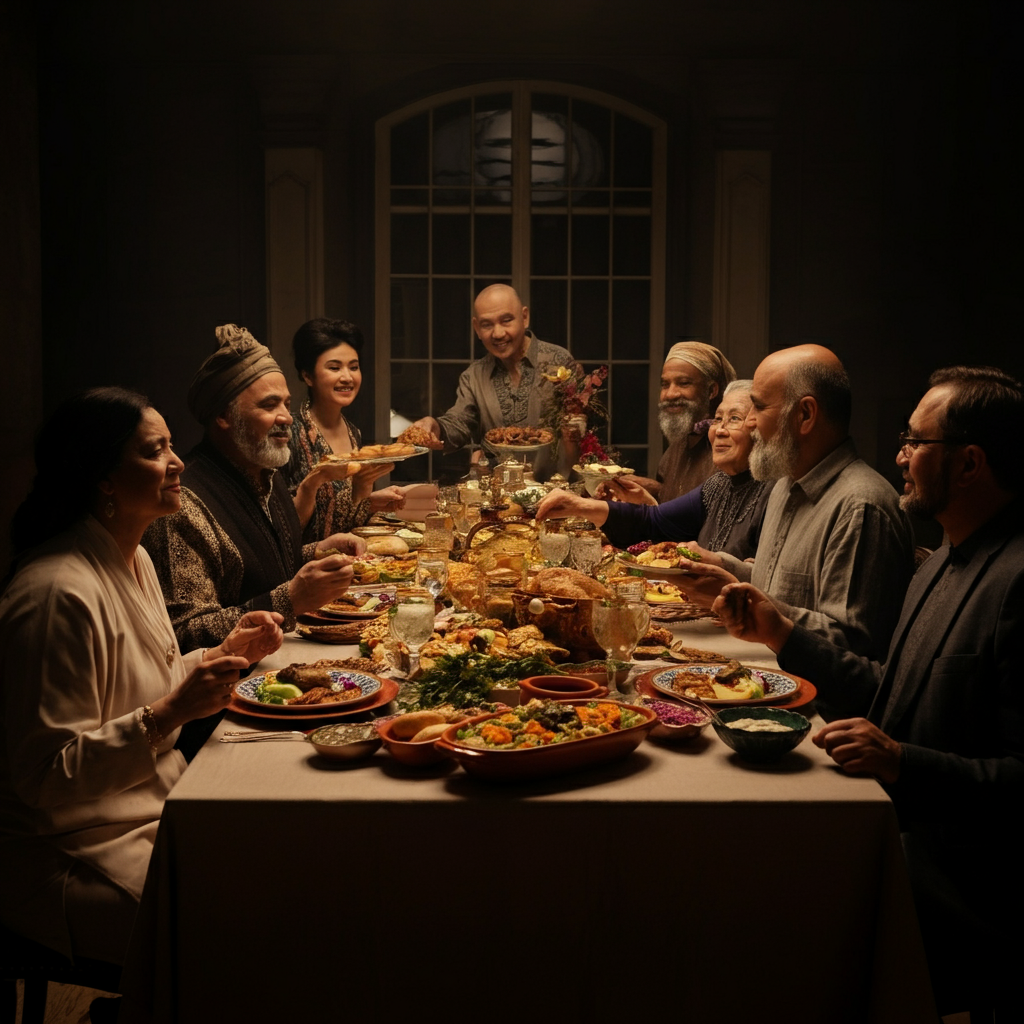
On the sixth day of Kwanzaa, December 31st, families and communities often come together for a Karamu feast. This is a communal celebration of unity, family, and culture. The Karamu is typically a potluck-style meal where everyone brings a dish to share. The feast should include traditional African and African American foods, as well as dishes that are meaningful to your family. During the Karamu, drinks are often shared from the Kikombe cha Umoja (unity cup), and there is usually a program that includes a welcoming statement, segments for remembrance, celebration, and commitment, as well as a farewell statement and a call for unity.
Step 6: Exchange Zawadi (Gifts)
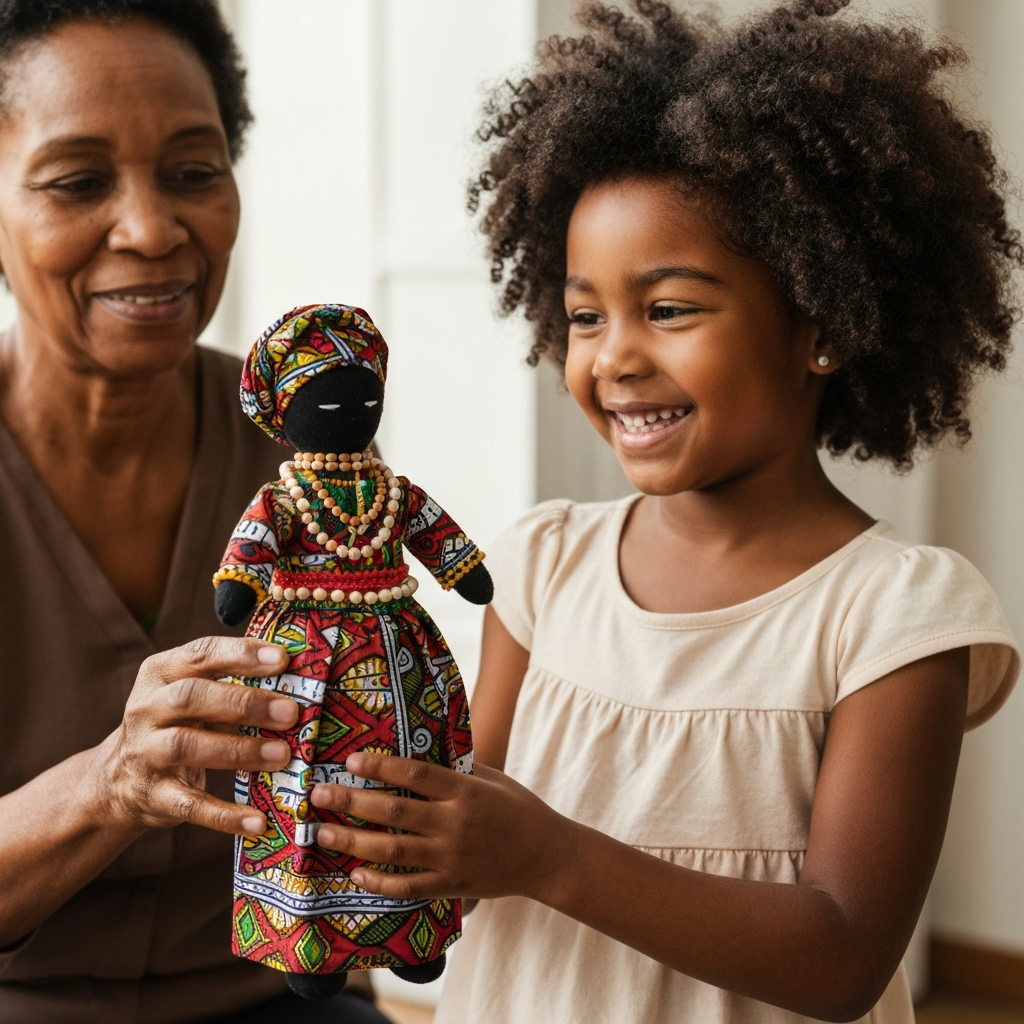
Gifts, known as Zawadi, are typically exchanged on the last day of Kwanzaa, January 1st. These gifts should be meaningful, educational, or artistic in nature, reflecting the values of Kwanzaa. Handmade gifts are particularly valued, as they represent self-determination, purpose, and creativity. Gifts are usually exchanged between family members, especially between parents and children. Consider giving books, art supplies, musical instruments, or other items that will encourage learning and creativity.
Step 7: Use Traditional Kwanzaa Greetings
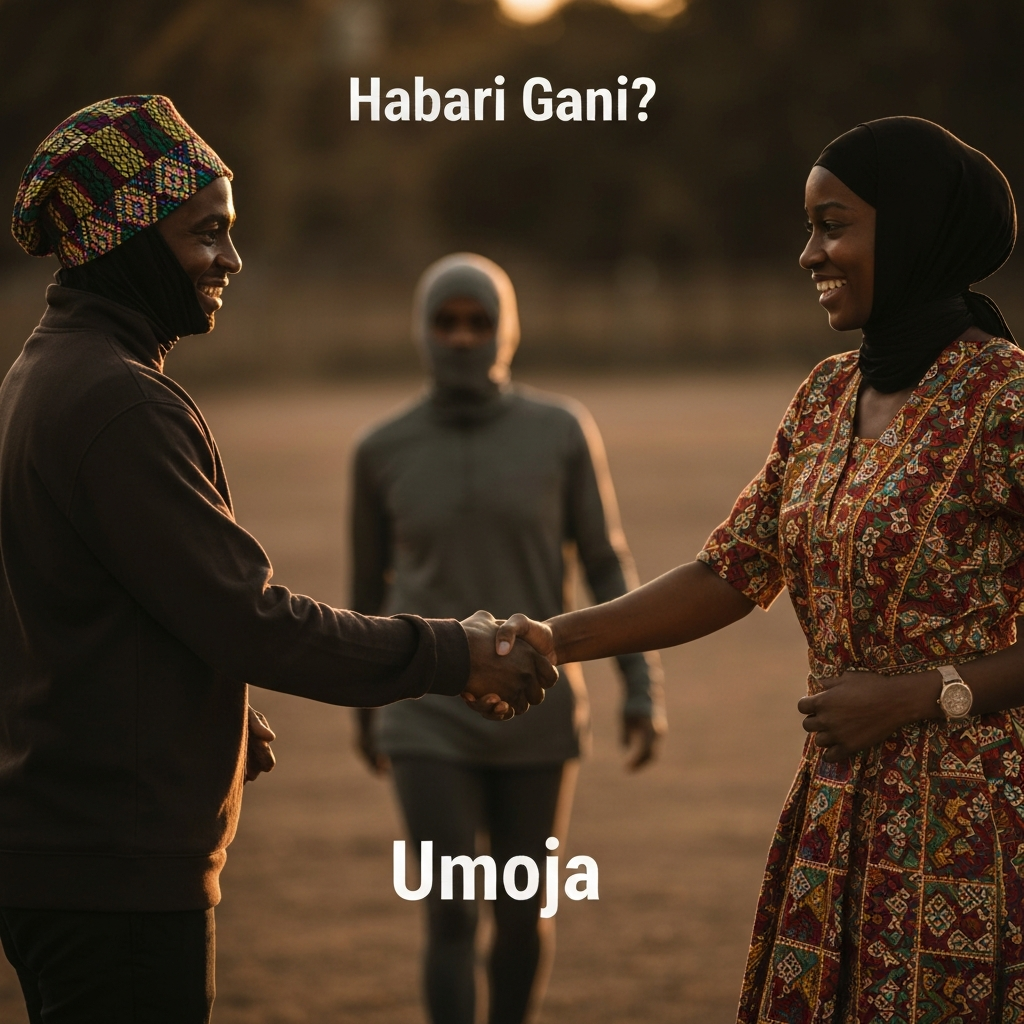
During Kwanzaa, it is customary to greet each other using Swahili phrases. The most common greeting is "Habari Gani," which means "What is the news?" The response is the principle (Nguzo Saba) for that day. For example, on December 26th, the response would be "Umoja" (Unity). Other useful phrases include "Heri za Kwanzaa!" which means "Happy Kwanzaa!" Using these greetings adds a special touch to your Kwanzaa celebration and helps to connect with the African heritage that Kwanzaa represents.
Common Mistakes to Avoid
- Treating Kwanzaa as a religious holiday: Kwanzaa is a cultural celebration, not a religious one.
- Focusing solely on material gifts: The emphasis should be on the principles and cultural aspects of Kwanzaa, not on excessive gift-giving.
- Not involving the whole family: Kwanzaa is a time for family unity and should be celebrated by all members of the family.
- Failing to learn about the Nguzo Saba: Understanding the principles is essential for a meaningful Kwanzaa celebration.
FAQ Section
Q: Can non-African Americans celebrate Kwanzaa?
A: Yes! While Kwanzaa is rooted in African American culture, anyone who appreciates and respects the principles of Kwanzaa is welcome to participate. Non-African Americans are also welcome to participate in greetings. The traditional greeting for them is "Joyous Kwanzaa."
Q: What if I can't afford to buy gifts?
A: Handmade gifts are highly valued in Kwanzaa. Consider creating something yourself, such as a piece of art, a poem, or a craft project.
Q: Is there a specific way to decorate for Kwanzaa?
A: While there are traditional symbols and colors, you can also incorporate elements that are meaningful to your family and reflect your unique heritage.
Conclusion
Celebrating Kwanzaa is an opportunity to connect with African heritage, strengthen family bonds, and recommit to the principles of unity, self-determination, collective responsibility, cooperative economics, purpose, creativity, and faith. By understanding the Nguzo Saba and incorporating meaningful traditions into your celebration, you can create a Kwanzaa experience that is both enriching and empowering. Remember that Kwanzaa is a journey of self-discovery and community building, and each year offers a chance to deepen your understanding and commitment to its values. Heri za Kwanzaa!