Earth Day, celebrated annually on April 22nd, is a global event dedicated to environmental awareness and action. As gardeners, we already have a deep connection to the Earth, nurturing life and contributing to a healthier planet. This guide provides practical steps and insights on how you can amplify your eco-conscious efforts and truly celebrate Earth Day in your garden and community.
Beyond simply planting flowers, Earth Day offers an opportunity to reflect on our gardening practices and their impact on the environment. By adopting sustainable techniques, conserving resources, and engaging with our communities, we can transform our gardens into thriving ecosystems that benefit both ourselves and the planet. Let's delve into actionable strategies to make this Earth Day your most environmentally friendly yet.
This guide will cover various aspects, from optimizing your gardening practices for minimal environmental impact to actively engaging in community initiatives. Whether you're a seasoned gardener or just starting out, you'll find valuable information to help you make a positive difference. Remember, even small changes can add up to a significant impact over time.
So, grab your gardening gloves, and let's get started on a journey to celebrate Earth Day in a meaningful and impactful way!
Step 1: Embrace Organic and Natural Gardening Practices
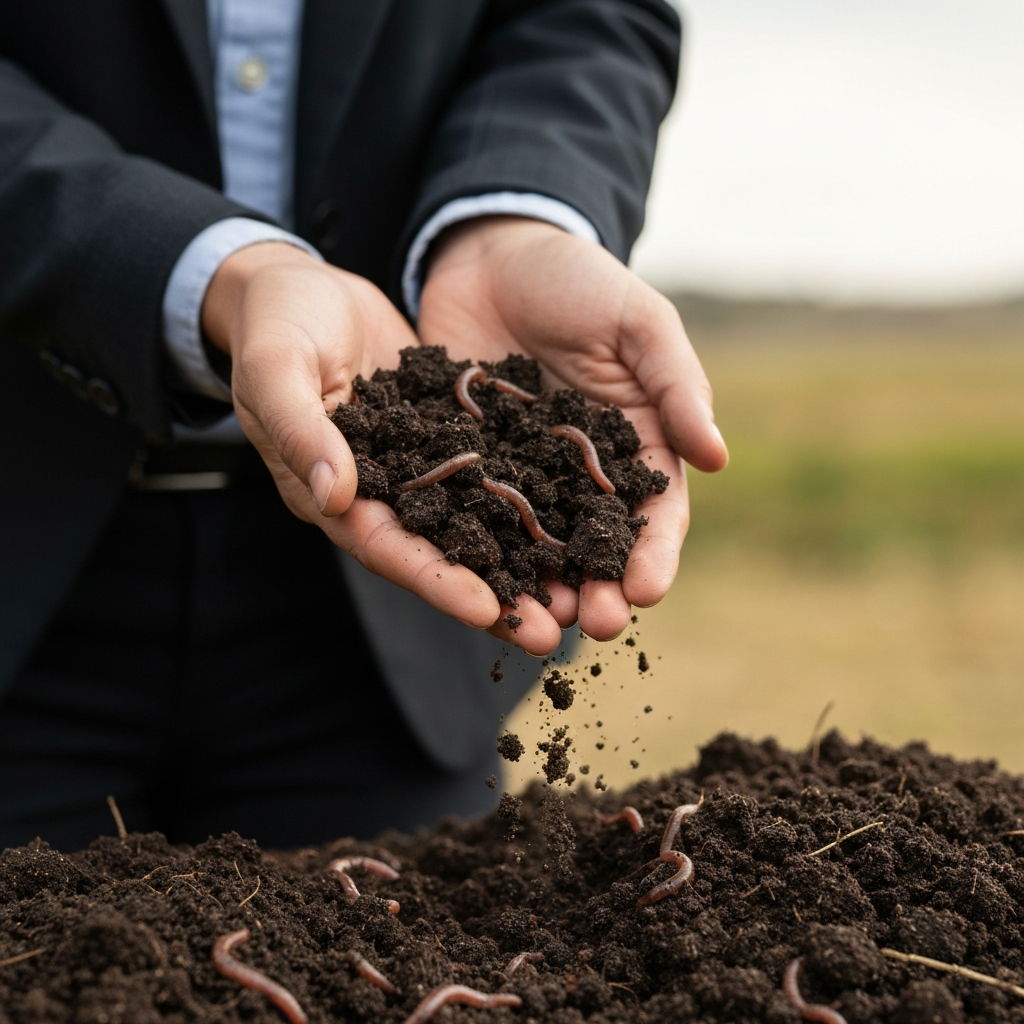
Transitioning to organic and natural gardening is a powerful way to celebrate Earth Day. This involves avoiding synthetic fertilizers, pesticides, and herbicides, which can harm beneficial insects, pollute waterways, and disrupt soil health. Instead, focus on building healthy soil through composting, cover cropping, and the use of organic amendments like composted manure and leaf mold. This creates a thriving ecosystem that naturally supports plant growth and resilience.
Practical details: Start small by replacing one synthetic product at a time with an organic alternative. Research natural pest control methods, such as introducing beneficial insects like ladybugs or using homemade insecticidal soap. Be patient, as it takes time for your garden to adjust to organic practices. Consider attending a local gardening workshop to learn more about specific organic techniques for your region. A common mistake to avoid is applying too much organic fertilizer at once, which can still burn plants. Always follow recommended application rates.
Step 2: Conserve Water Wisely
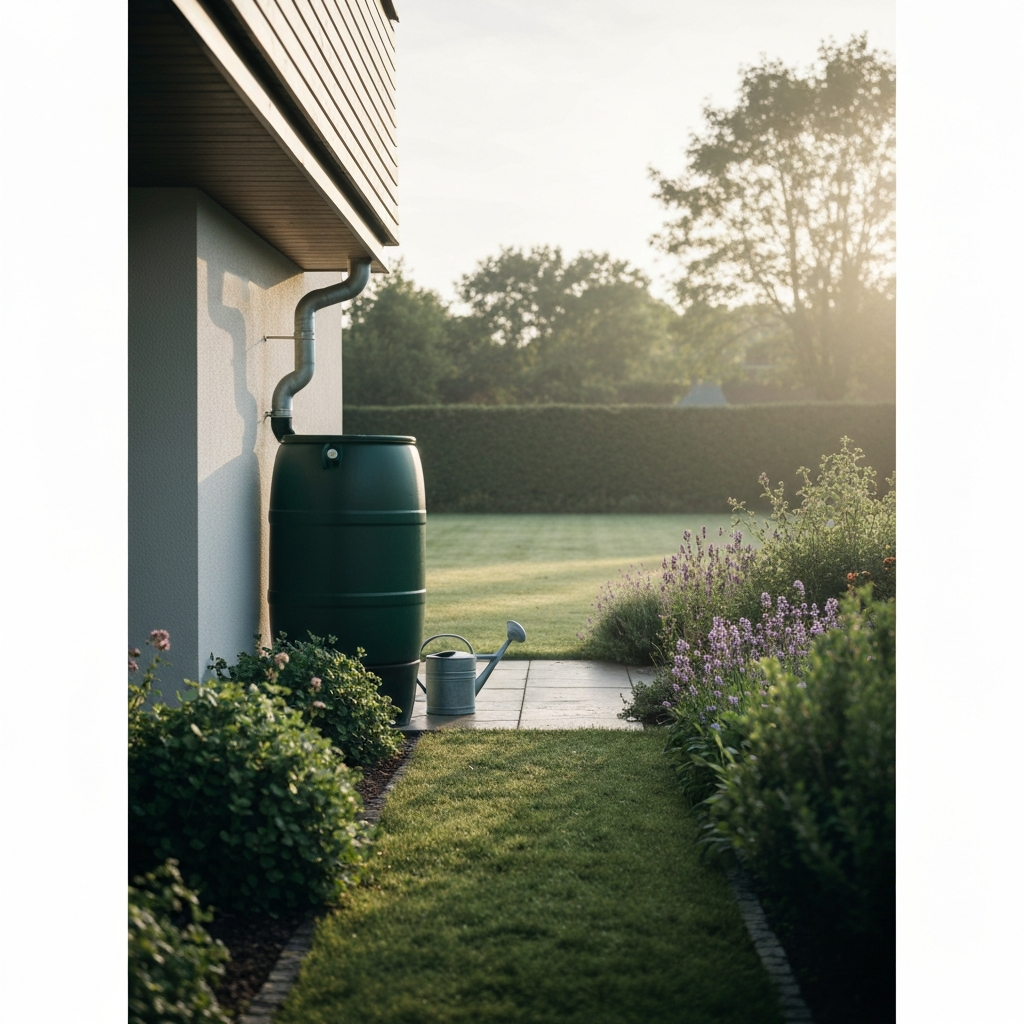
Water is a precious resource, and conserving it in the garden is crucial. Implement water-wise gardening techniques like using drip irrigation, which delivers water directly to plant roots, minimizing evaporation. Mulch around plants with organic materials like wood chips or straw to retain soil moisture and suppress weeds. Collecting rainwater in rain barrels is an excellent way to supplement your water supply and reduce your reliance on municipal water sources.
Practical details: Position rain barrels under downspouts to capture rainwater from your roof. Check local regulations regarding rainwater harvesting, as some areas may have restrictions. Install a drip irrigation system, ensuring that the emitters are properly spaced and delivering the correct amount of water for each plant. Water deeply but less frequently to encourage strong root growth. Consider grouping plants with similar water needs together to optimize watering efficiency. Avoid watering during the hottest part of the day to minimize evaporation. Remember to empty rain barrels before winter to prevent freezing and cracking.
Step 3: Create a Wildlife-Friendly Habitat
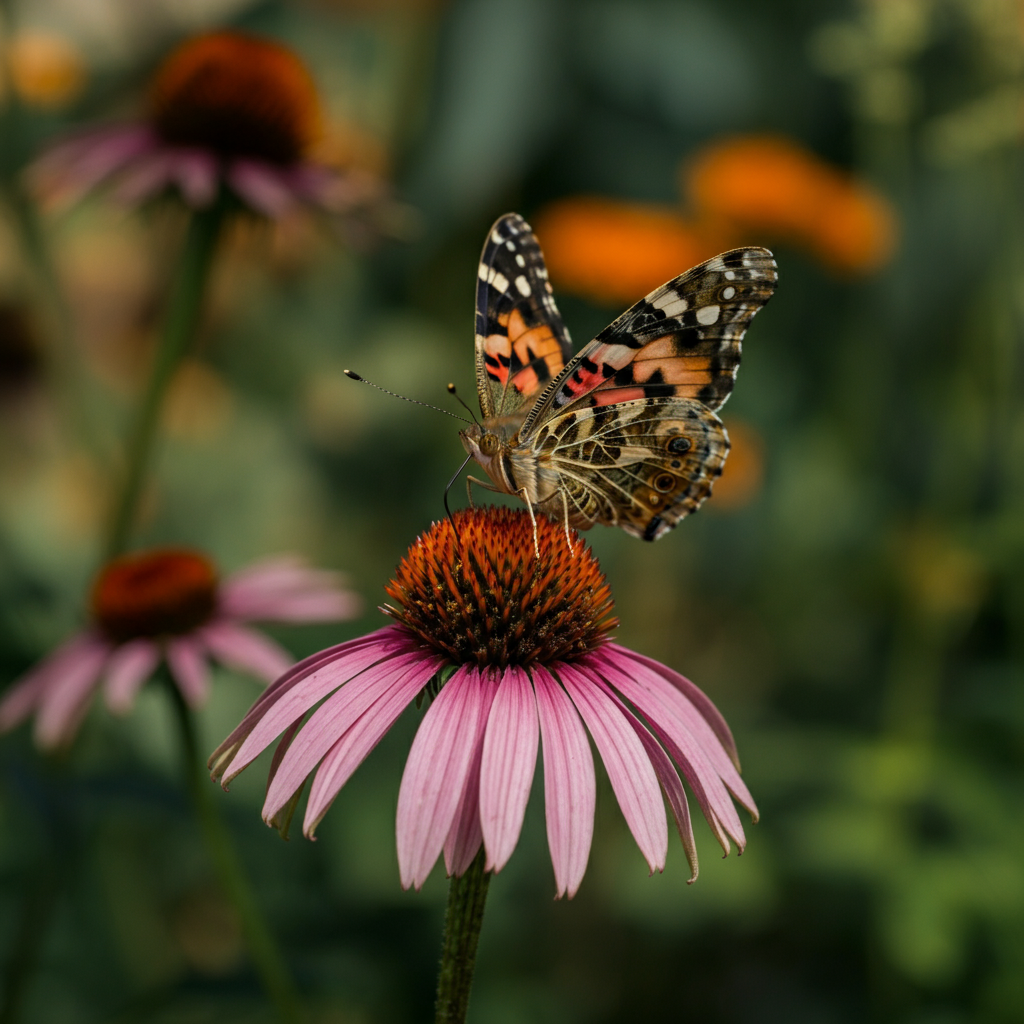
Attracting pollinators and other beneficial wildlife to your garden is essential for a healthy ecosystem. Plant a diverse range of native flowers, shrubs, and trees that provide food and shelter for bees, butterflies, birds, and other creatures. Avoid using pesticides, which can harm or kill beneficial insects. Provide a water source, such as a birdbath or small pond, and consider building a bee house or installing bat boxes to encourage wildlife to take up residence in your garden.
Practical details: Research native plant species that are suitable for your region and attract pollinators. Choose a variety of plants that bloom at different times of the year to provide a continuous source of food for wildlife. Position bird feeders and birdbaths in sheltered locations, away from predators. Clean bird feeders and birdbaths regularly to prevent the spread of disease. Leave some areas of your garden uncultivated to provide habitat for ground-nesting bees and other insects. A common mistake to avoid is planting invasive species, which can outcompete native plants and disrupt the ecosystem.
Step 4: Compost Food and Yard Waste
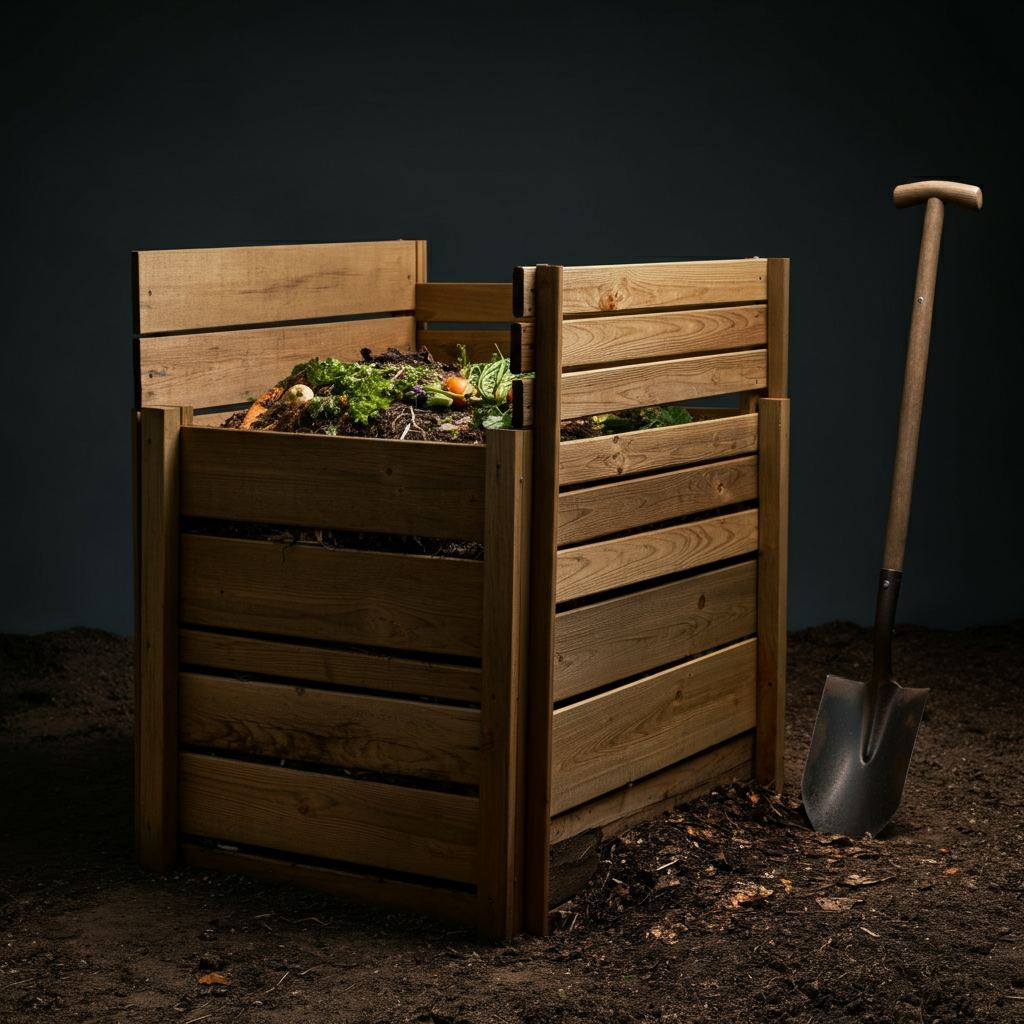
Composting is a fantastic way to reduce waste and create nutrient-rich soil amendment for your garden. Compost food scraps, yard trimmings, and other organic materials to create a valuable resource that enriches the soil and reduces the need for synthetic fertilizers. Proper composting requires a balance of "green" (nitrogen-rich) materials like food scraps and "brown" (carbon-rich) materials like leaves and twigs.
Practical details: Choose a composting method that suits your space and lifestyle, such as a backyard compost bin or a vermicomposting system (using worms). Turn the compost pile regularly to aerate it and speed up decomposition. Avoid composting meat, dairy, and oily foods, which can attract pests and create unpleasant odors. Ensure that the compost pile is moist but not waterlogged. Use finished compost as a soil amendment when planting or as a top dressing for existing plants. A common mistake to avoid is not turning the compost pile regularly, which can lead to anaerobic conditions and slow decomposition.
Step 5: Reduce, Reuse, and Recycle in the Garden
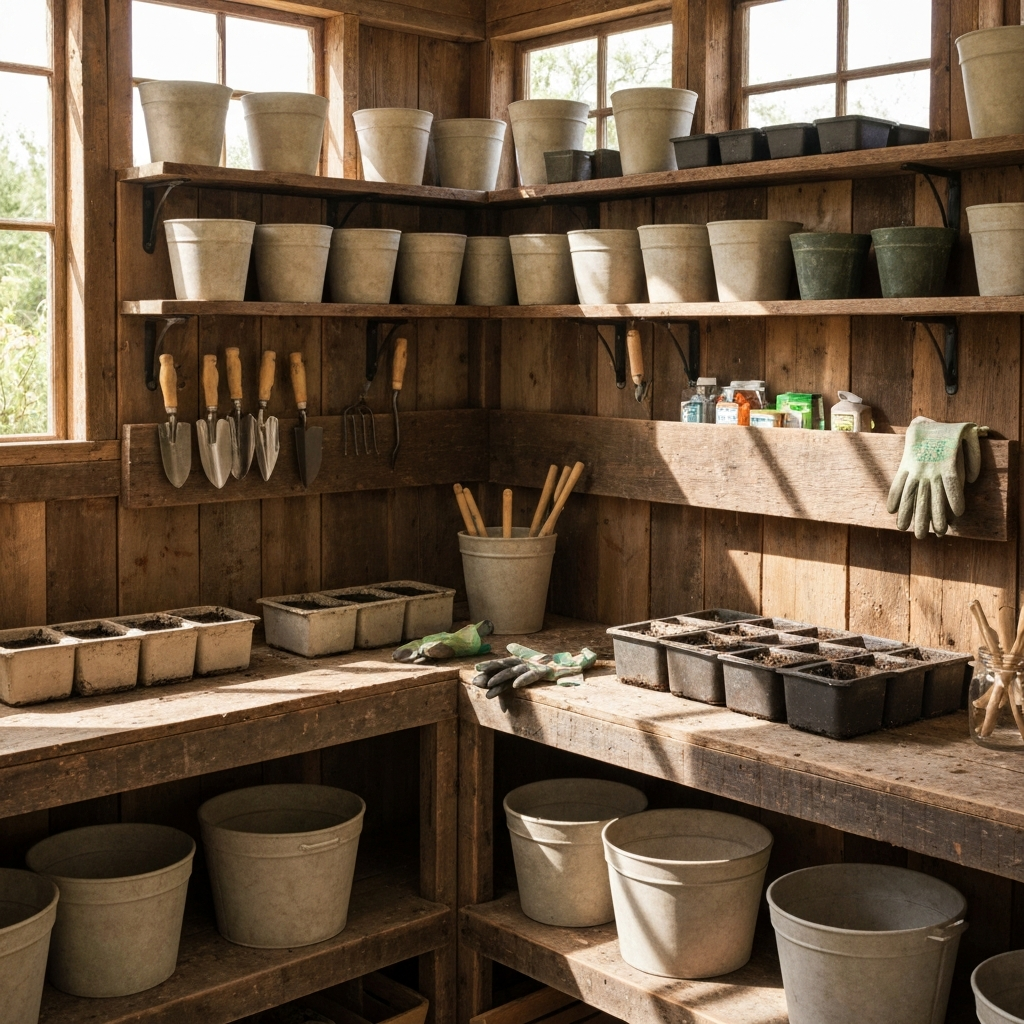
Minimize waste by reducing your consumption of single-use plastics and other non-recyclable materials in the garden. Reuse containers, tools, and other items whenever possible. Recycle plastic pots, seed trays, and other gardening materials according to your local recycling guidelines. Consider making your own seed starting pots from recycled paper or using repurposed materials for garden structures and decorations.
Practical details: Look for tools and supplies made from recycled materials or sustainable sources. Repair broken tools instead of replacing them. Collect and reuse plastic plant pots and trays. Create raised garden beds from reclaimed wood or other repurposed materials. Use old tires to create planters or garden borders. Avoid using plastic mulch, which can break down into microplastics and contaminate the soil. A common mistake to avoid is throwing away items that can be reused or repurposed in the garden.
Step 6: Educate and Inspire Others
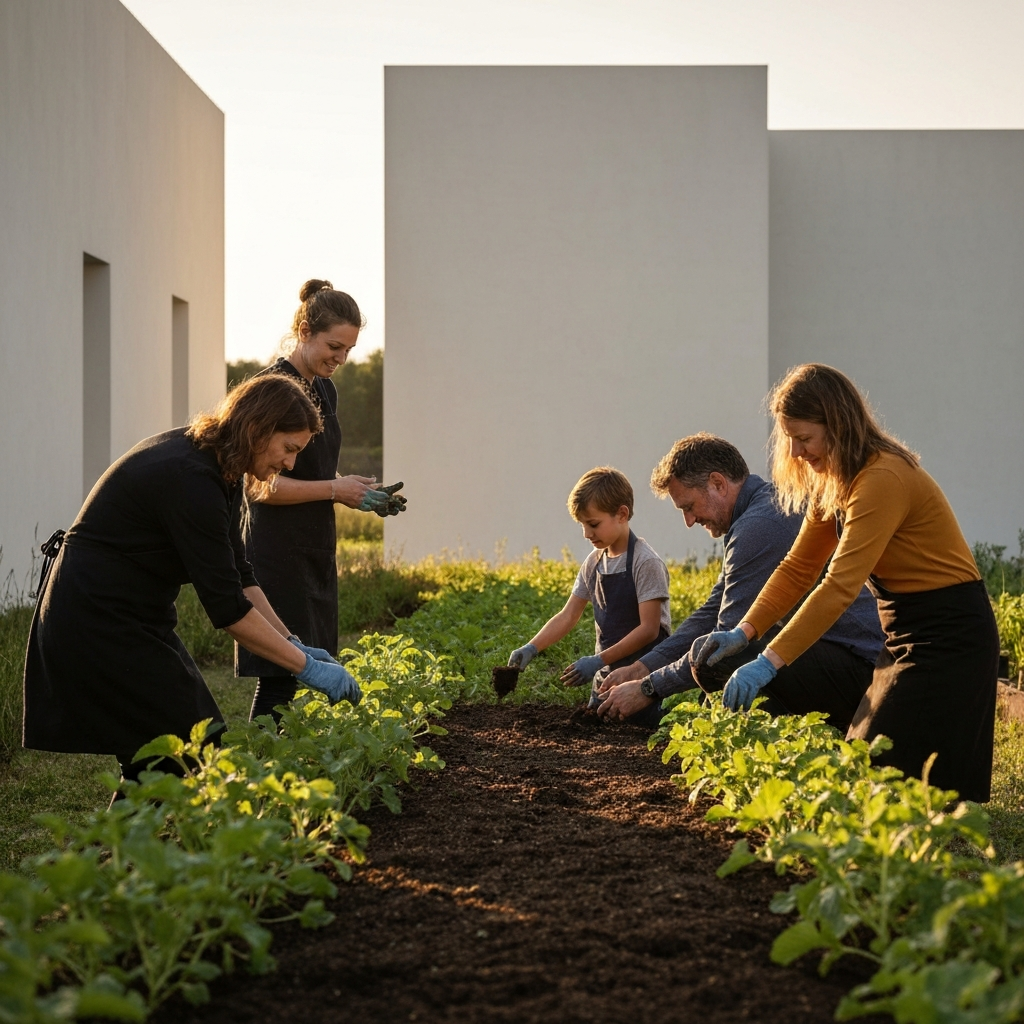
Share your knowledge and passion for sustainable gardening with others. Teach friends, family, and neighbors about the benefits of organic gardening, water conservation, and wildlife habitat creation. Volunteer at a local community garden or environmental organization. Organize workshops or presentations to share your expertise and inspire others to take action.
Practical details: Share your gardening experiences on social media or start a blog. Offer to help friends and neighbors start their own gardens. Donate surplus produce from your garden to a local food bank. Participate in local Earth Day events. Encourage your local schools and community organizations to incorporate gardening into their programs. A common mistake to avoid is being judgmental or preachy when sharing your knowledge with others. Focus on being helpful and supportive.
Tools or Materials Required
- Organic fertilizers and soil amendments
- Natural pest control products
- Rain barrels and drip irrigation systems
- Native plant seeds and seedlings
- Compost bin or vermicomposting system
- Recycled containers and materials
- Gardening tools (shovels, rakes, trowels)
Safety Considerations
- Wear gloves and appropriate clothing when gardening to protect your skin from irritants and injuries.
- Use caution when handling sharp tools and equipment.
- Be aware of potential hazards, such as stinging insects and poisonous plants.
- Follow recommended application rates for all gardening products.
- Store gardening products safely out of reach of children and pets.
Conclusion
Celebrating Earth Day as a gardener is more than just a one-day event; it's a commitment to sustainable practices that benefit our planet year-round. By embracing organic methods, conserving resources, creating wildlife habitats, and educating others, we can transform our gardens into havens of biodiversity and contribute to a healthier, more sustainable future. Remember that every small action counts, and together, we can make a big difference. So, let's celebrate Earth Day by nurturing our gardens and inspiring others to do the same!