Día de los Muertos, or Day of the Dead, is a vibrant and meaningful holiday celebrated primarily in Mexico and parts of Latin America. Far from being a somber occasion, it's a joyous commemoration of loved ones who have passed away. The holiday, typically observed on November 1st and 2nd, is rooted in the belief that the souls of the departed return to visit their families.
During this time, families create beautiful altars, share stories, and prepare special foods to welcome and honor those who have gone before them. It's a time for remembrance, reconnection, and a celebration of the enduring bonds of family and love. By participating in Día de los Muertos, you're not only embracing a rich cultural tradition, but also honoring the memories of those who have shaped your life.
Whether you have personal connections to the holiday or are simply interested in learning more, this guide will provide you with a step-by-step approach to respectfully and authentically celebrating Día de los Muertos.
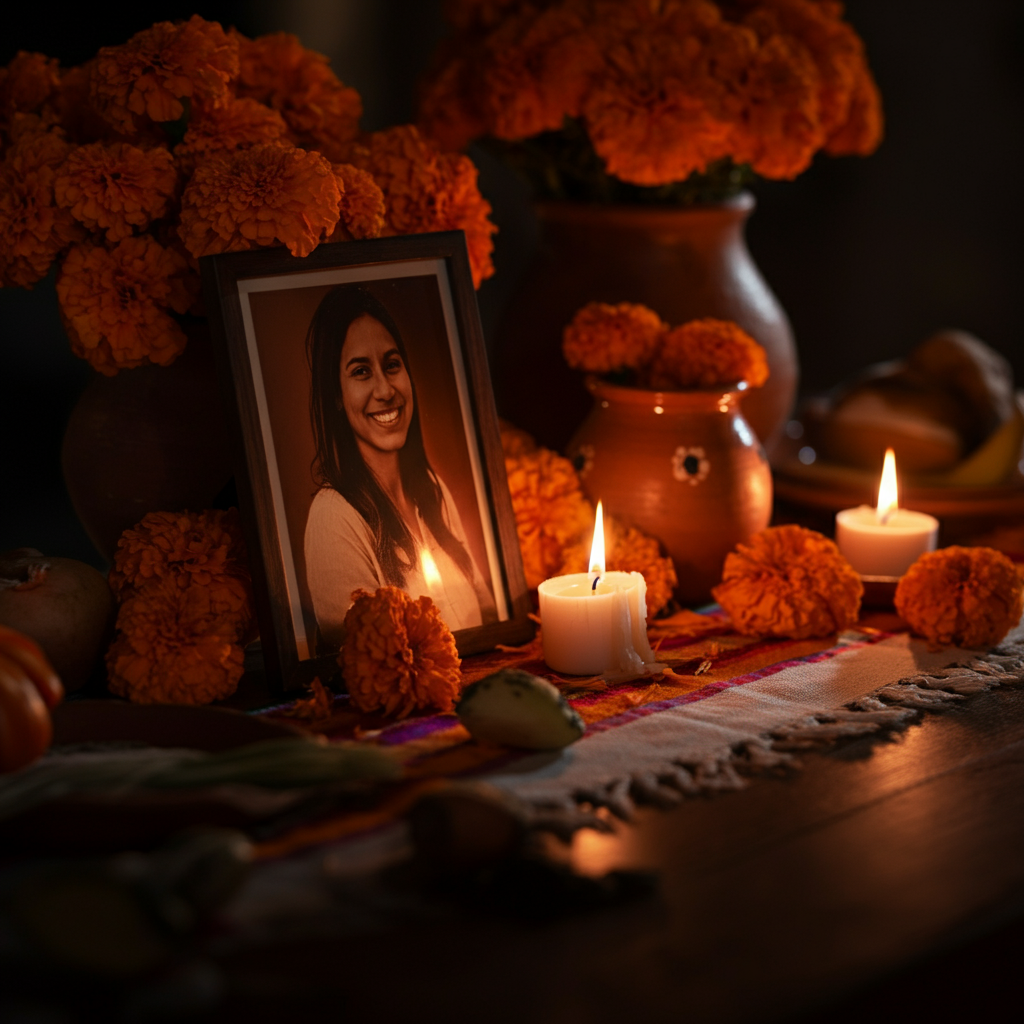
Step 1: Building an Ofrenda (Altar)
An ofrenda, or altar, is the heart of Día de los Muertos celebrations. It serves as a welcoming space for the spirits of the deceased and is filled with items that they enjoyed in life. Construct your ofrenda on a table or tiered platform, covering it with a colorful cloth. Include photos of the deceased, their favorite foods and drinks, candles, flowers (especially marigolds), and other meaningful objects. Remember that this is a personal tribute, so feel free to add items that are unique to your loved one's personality and passions. Don't be afraid to get creative and involve other family members in the process. A common mistake is making the altar too cluttered; prioritize items that hold significant meaning. Consider the space you have available and arrange the items thoughtfully.
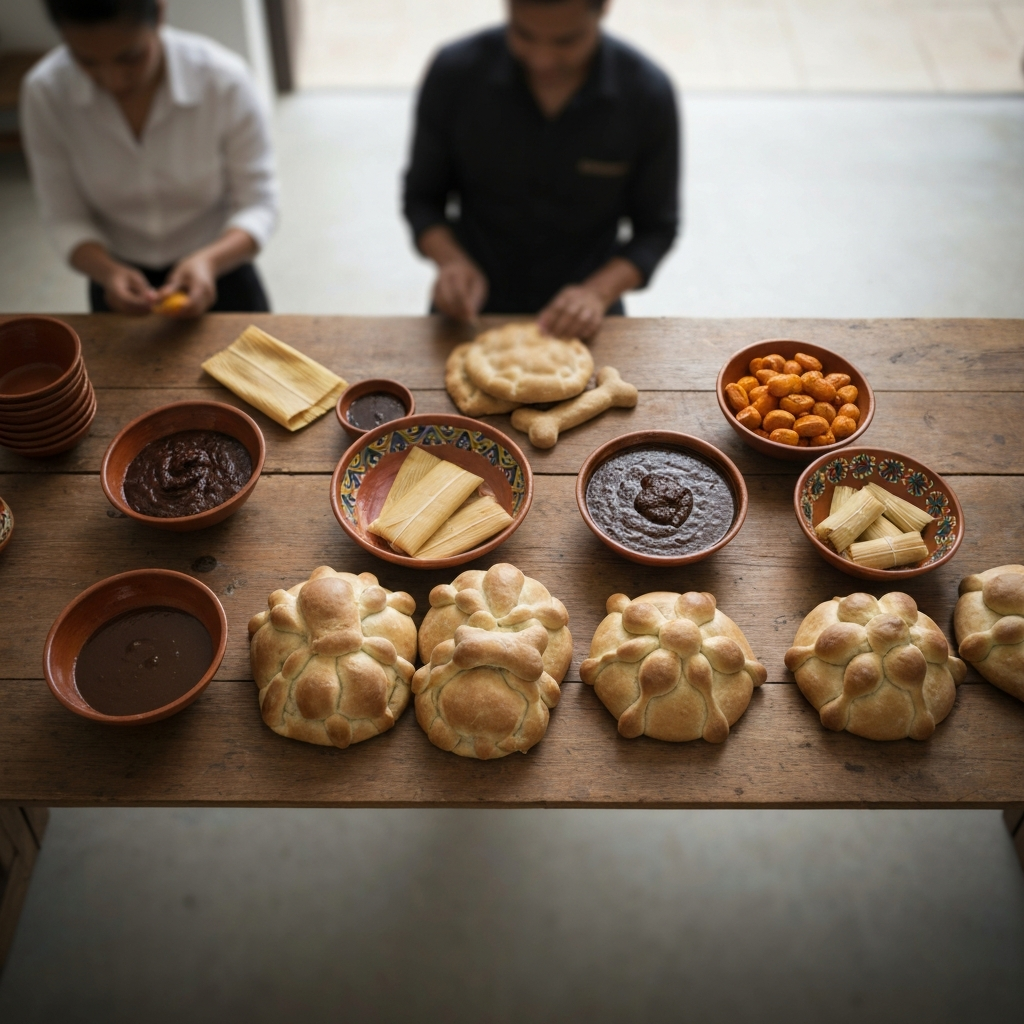
Step 2: Preparing Traditional Foods
Food plays a central role in Día de los Muertos. Families prepare dishes that their deceased loved ones enjoyed, believing that the spirits will partake in the essence of the food. Pan de Muerto (bread of the dead) is a must-have, along with tamales, mole, and other regional specialties. Offerings of fruit, candies, and beverages like atole (a warm corn-based drink) are also common. Take the time to research and prepare authentic recipes, using fresh ingredients whenever possible. When cooking, remember to set aside a portion of each dish as an offering on the altar. This symbolic gesture acknowledges the presence of the spirits. A potential mistake is to assume all traditional foods are universally liked; consider the specific preferences of those you are honoring.
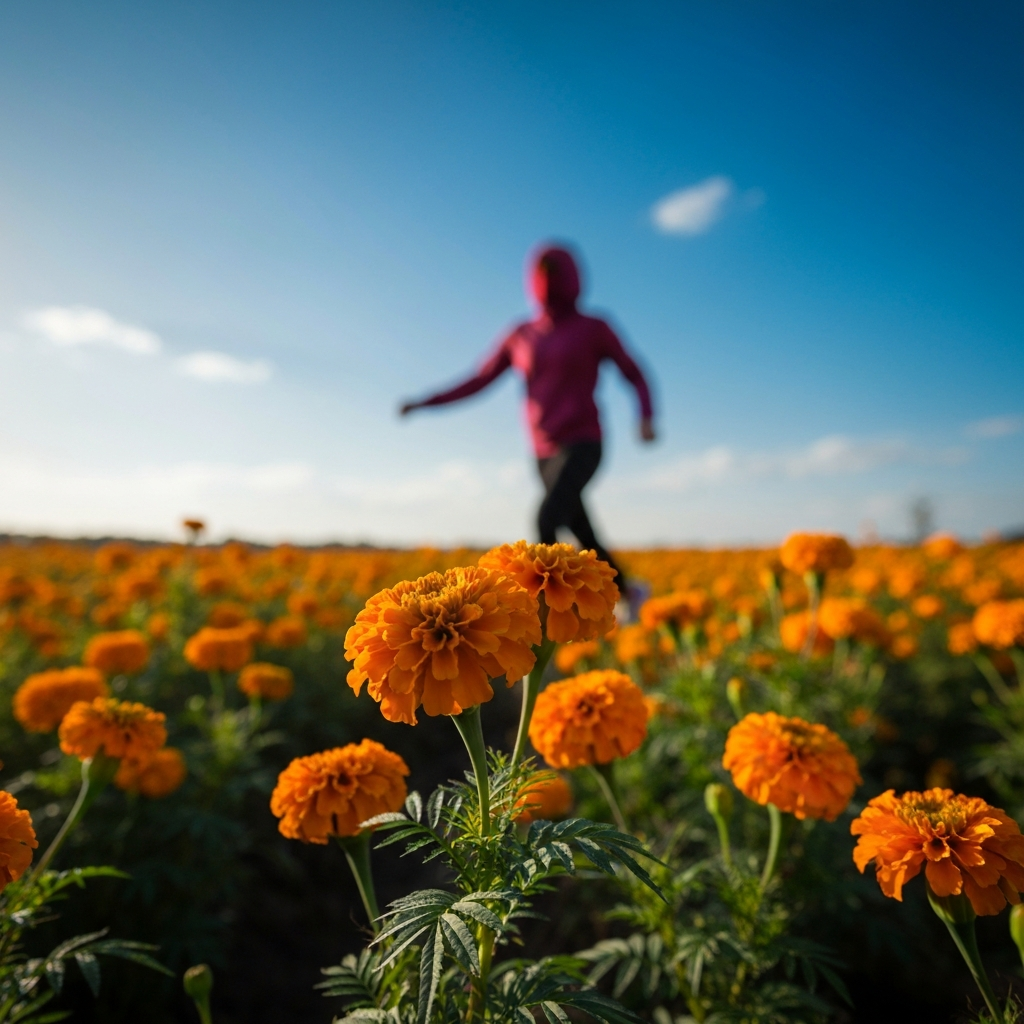
Step 3: Decorating with Cempasúchil (Marigolds)
Cempasúchil, or Mexican marigolds, are the quintessential flower of Día de los Muertos. Their vibrant orange color is believed to guide the spirits to the ofrenda. Use marigolds to decorate the altar, create pathways from the cemetery to your home, and adorn doorways and windows. The strong scent of the flowers is also thought to attract the souls of the dead. Purchase fresh marigolds from a local florist or grow your own, if possible. When arranging the flowers, consider creating a visually appealing display that honors the beauty of nature. A common mistake is using artificial flowers; while convenient, they lack the symbolic and sensory properties of fresh marigolds.
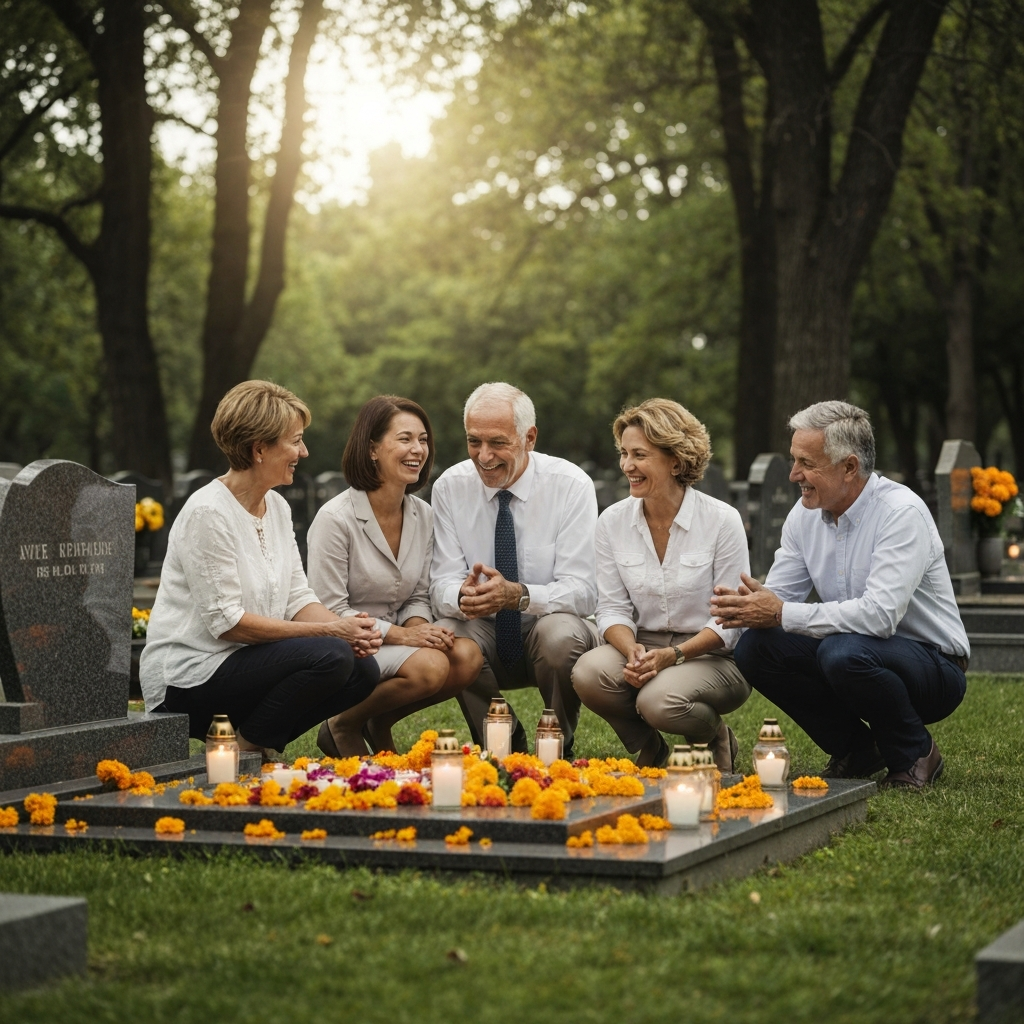
Step 4: Visiting the Cemetery
Visiting the graves of loved ones is an important part of Día de los Muertos. Families clean and decorate the gravesites with flowers, candles, and offerings of food and drinks. Many people spend the entire day or night in the cemetery, sharing stories, playing music, and remembering the deceased. Before visiting, check with local authorities regarding any specific regulations or customs for cemetery visits. Be respectful of other families who are also honoring their loved ones. Remember to remove any trash or debris before leaving the gravesite. A potential mistake is treating the cemetery as a party venue; while celebration is part of the holiday, it should be conducted with reverence and respect.
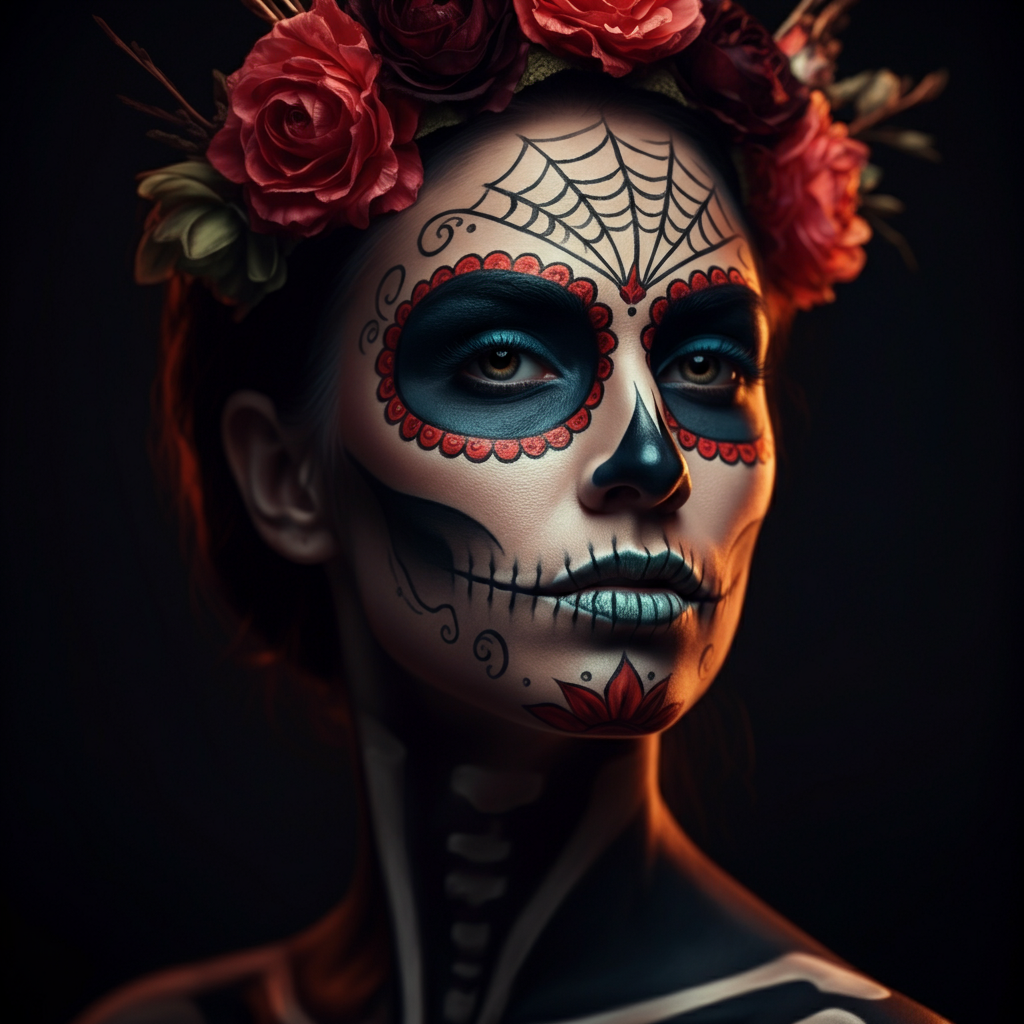
Step 5: Wearing Día de los Muertos Makeup
Día de los Muertos makeup, particularly the iconic "sugar skull" look, is a visual representation of the holiday's themes of life and death. Start with a base of white face paint, then add colorful designs around the eyes, nose, and mouth. Flowers, spiderwebs, and other decorative elements are also common. Experiment with different styles and create a look that is both festive and personal. Use high-quality face paints that are safe for your skin. Practice your design beforehand to avoid mistakes on the day of the celebration. A potential mistake is using offensive or culturally insensitive imagery in your makeup design.
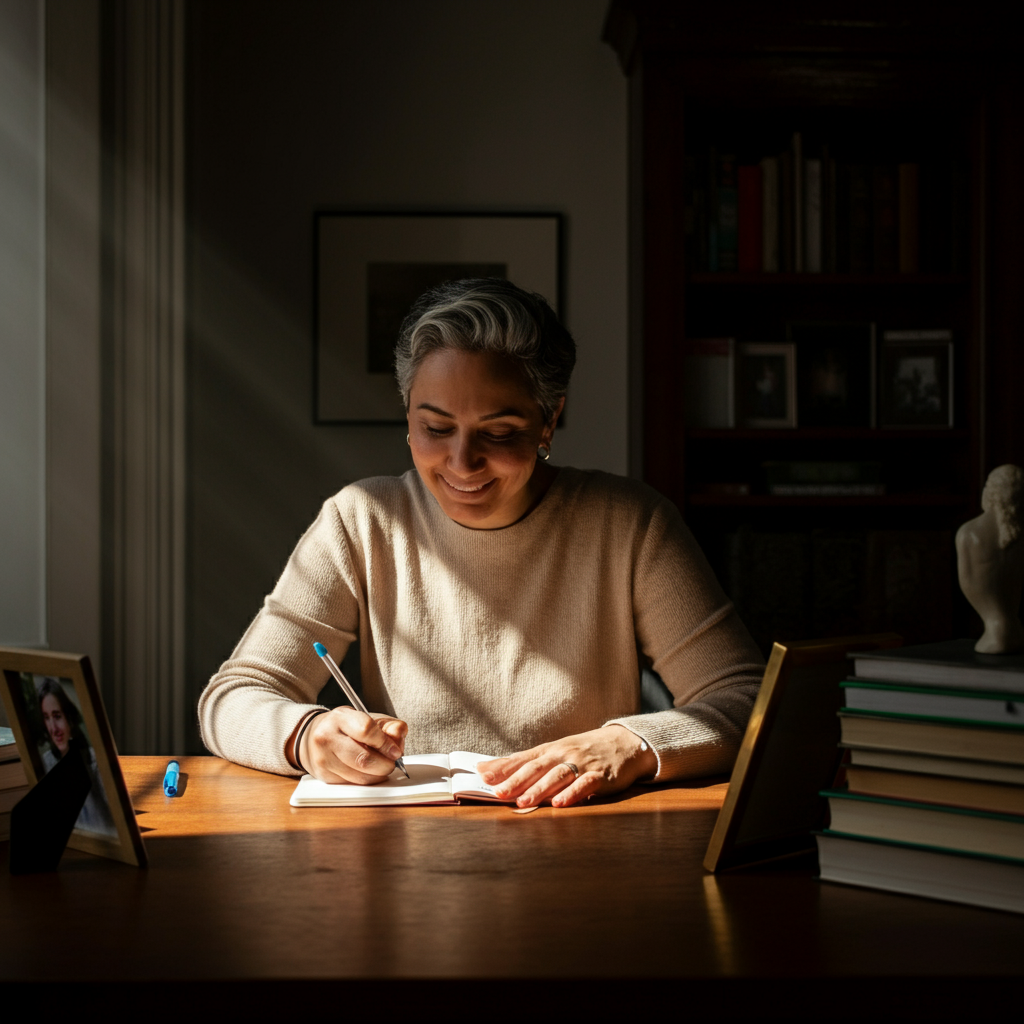
Step 6: Creating Calaveras Literarias (Literary Skulls)
Calaveras Literarias are short, humorous poems written as epitaphs for the living or the dead. They offer a chance to playfully remember loved ones, poking fun at their quirks and habits. Write your poems in a lighthearted and respectful tone, celebrating the unique personalities of those you are honoring. Share your calaveras with family and friends, and display them on the ofrenda. Start by brainstorming funny or memorable anecdotes about the person you are writing about. Don't be afraid to get creative with your rhymes and wordplay. A potential mistake is writing poems that are mean-spirited or disrespectful; the goal is to celebrate life, not to denigrate it.
Tools or Materials Required
- Face paint (white, black, and various colors)
- Makeup brushes
- Marigolds (fresh or dried)
- Candles (votive or taper)
- Photos of deceased loved ones
- Food and drinks for offerings
- Pan de Muerto recipe ingredients
- Construction paper or art supplies for mask-making
- Notebook and pen for writing Calaveras Literarias
Common Mistakes to Avoid
- Treating Día de los Muertos as a Mexican Halloween. It's a distinct holiday with its own traditions and meanings.
- Using offensive or culturally insensitive imagery in your decorations or makeup.
- Ignoring the preferences of the deceased when creating your ofrenda.
- Being disrespectful in the cemetery.
- Focusing only on death and forgetting to celebrate life.
FAQ Section
Q: Is it okay to celebrate Día de los Muertos if I'm not Mexican?
A: Yes, but it's important to do so respectfully and with an understanding of the holiday's traditions and meanings. Avoid cultural appropriation and focus on honoring the memories of your loved ones.
Q: What if I don't have photos of my deceased loved ones?
A: You can use other meaningful objects or symbols to represent them.
Q: What should I do with the food offerings after Día de los Muertos?
A: You can eat the food yourself, share it with family and friends, or compost it.
Conclusion
Celebrating Día de los Muertos is a beautiful and meaningful way to honor the memories of loved ones who have passed away. By creating an ofrenda, preparing traditional foods, decorating with marigolds, visiting the cemetery, and engaging in other customs, you can participate in this rich cultural tradition with respect and authenticity. Remember that the most important aspect of Día de los Muertos is to celebrate life and cherish the enduring bonds of family and love. By honoring those who have gone before us, we keep their spirits alive and ensure that their memories continue to inspire us.