Buddha's Birthday, also known as Vesak, Buddha Jayanti, or Buddha Purnima, is the most significant festival for Buddhists worldwide. It commemorates not only the birth of Siddhartha Gautama, the historical Buddha, but also his enlightenment (Nirvana) and passing away (Parinirvana). Celebrated on the full moon day of the lunar month of Vesakha, typically in May, Vesak is a time for reflection, spiritual renewal, and acts of kindness.
The essence of Vesak lies in embracing the teachings of the Buddha: compassion, mindfulness, and the pursuit of inner peace. While specific customs vary across different Buddhist traditions and countries, the underlying spirit remains the same – to honor the Buddha, reflect on his teachings, and strive to live a more virtuous life. This guide provides practical steps to help you celebrate Vesak in a meaningful and respectful way.
From visiting temples and offering prayers to practicing mindfulness and engaging in acts of charity, there are many ways to participate in this auspicious occasion. Let's explore how you can immerse yourself in the spirit of Vesak and deepen your understanding of Buddhist principles.
Step 1: Visit a Local Temple
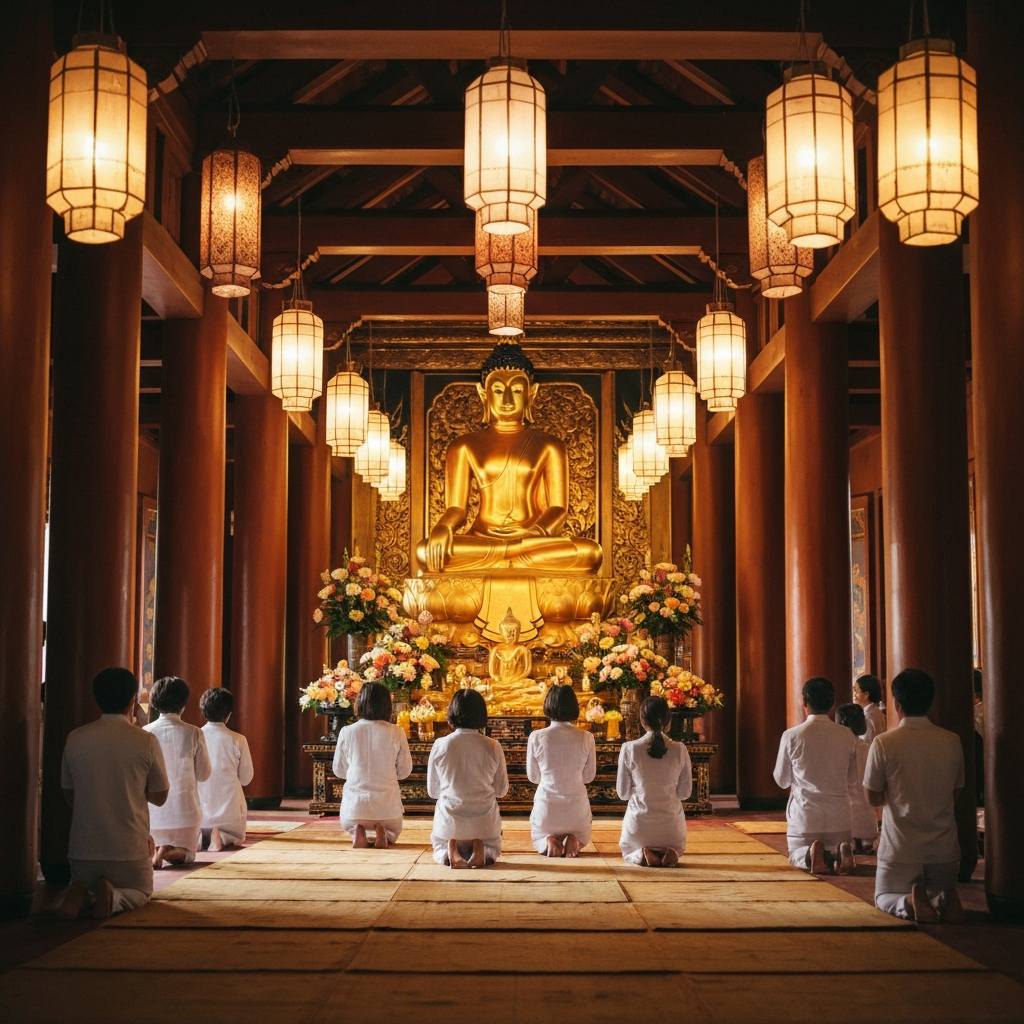
Attending a local Buddhist temple is a central part of Vesak celebrations. Before the official ceremonies begin, arrive early to secure a peaceful spot and prepare yourself mentally for the experience. Bring offerings such as flowers (lotuses are especially significant), candles, and incense sticks to present at the altar. These offerings are symbolic, representing impermanence (flowers), enlightenment (light), and the spread of the Dharma (fragrance). Participate in the chanting of sutras (Buddhist scriptures) and listen attentively to the Dharma talks given by monks or teachers. This is a time for quiet contemplation and reflection on the Buddha's teachings.
Step 2: Offer Alms and Practice Generosity (Dana)
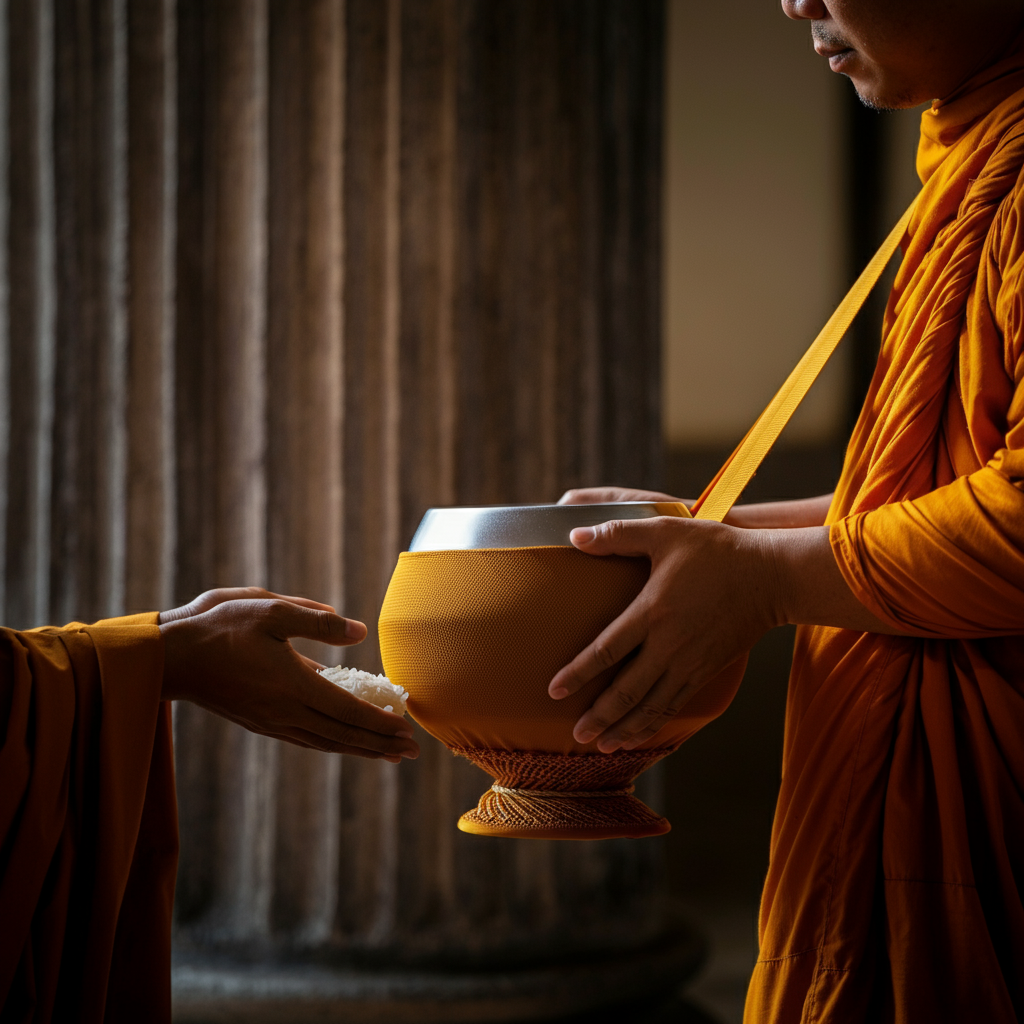
Dana, or generosity, is a fundamental practice in Buddhism. Vesak is an ideal time to practice Dana by offering alms to monks, donating to charitable organizations, or simply helping those in need. Many temples organize special alms-giving ceremonies during Vesak, where devotees offer food, clothing, and other necessities to the monastic community. Remember that the spirit of Dana is just as important as the act itself; give with a sincere heart and without expecting anything in return. You can also extend Dana to those outside the temple by volunteering at a soup kitchen, donating to a homeless shelter, or simply offering a helping hand to someone in your community.
Step 3: Engage in Mindfulness and Meditation
Vesak is a time for introspection and cultivating inner peace. Set aside time for mindfulness and meditation to connect with your inner self and deepen your understanding of the Buddha's teachings. Find a quiet and comfortable space where you can sit undisturbed. Focus on your breath, observing each inhale and exhale without judgment. If your mind wanders, gently guide it back to your breath. Even just 10-15 minutes of daily meditation can have a profound impact on your mental and emotional well-being. Consider attending a guided meditation session at a local temple or community center.

Step 4: Refrain From Harm and Practice Compassion
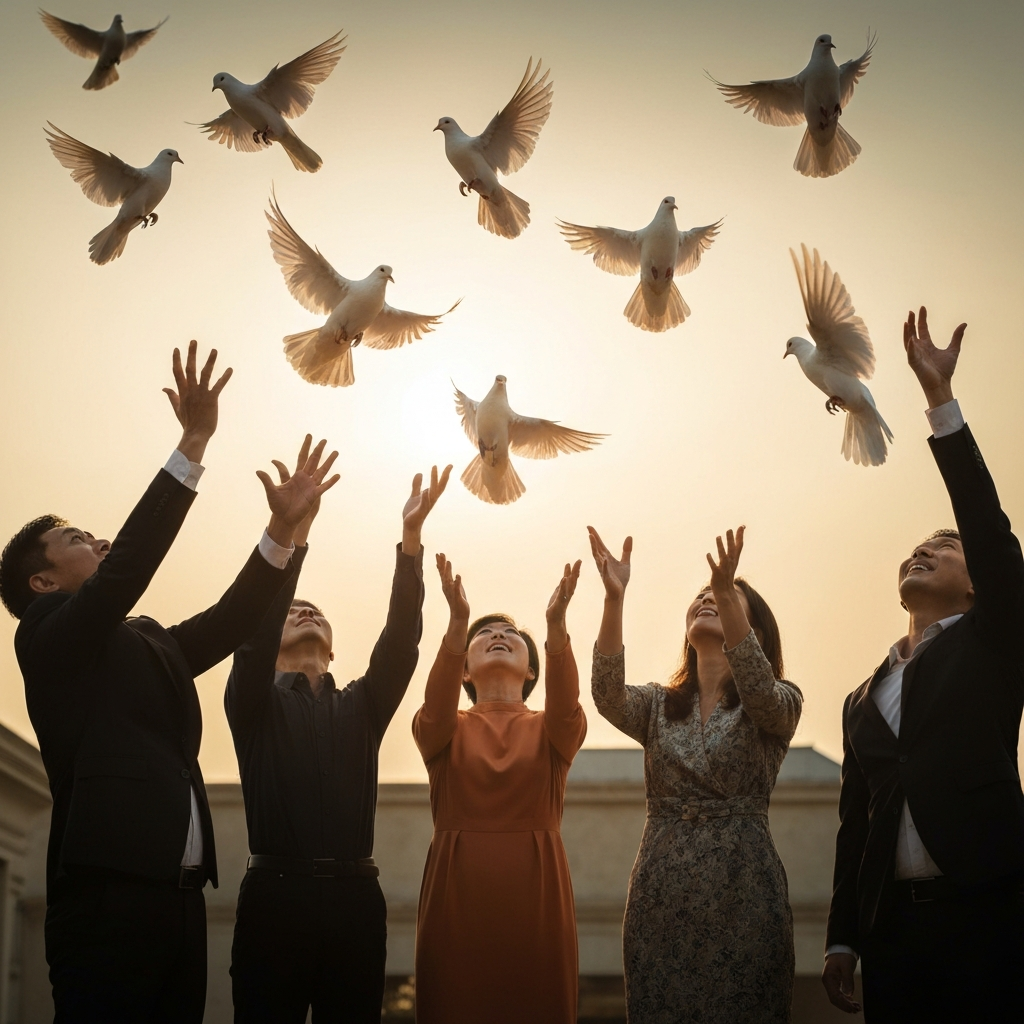
One of the core tenets of Buddhism is the principle of non-harming (Ahimsa). On Vesak, make a conscious effort to refrain from any actions that could cause harm to yourself or others. This includes not only physical harm but also verbal and mental harm. Practice compassion and loving-kindness towards all beings, including animals. Consider adopting a vegetarian or vegan diet for the day, or releasing captive animals as an act of compassion. Extend your kindness to those who are suffering, offering support and understanding whenever possible.
Step 5: Make Vesak Lanterns and Decorations
Creating Vesak lanterns is a popular tradition, especially in Southeast Asia. These colorful lanterns symbolize enlightenment and the dispelling of darkness. You can easily make Vesak lanterns at home using simple materials such as paper, bamboo sticks (or sturdy straws), and glue. Decorate the lanterns with vibrant colors and intricate designs. Involve children in this activity to teach them about the significance of Vesak and the importance of creativity and mindfulness. Hang the lanterns around your home or in your garden to create a festive and joyful atmosphere.

Step 6: Attend or Organize a Dansala (Free Food Stall)
Dansalas, or free food stalls, are a common sight during Vesak in many Buddhist countries. These stalls offer free meals and refreshments to anyone who passes by, regardless of their background or beliefs. This practice embodies the spirit of generosity and selfless service. If possible, participate in a Dansala by volunteering your time to help prepare and serve food. If there are no Dansalas organized in your area, consider starting your own small-scale Dansala in your community, offering simple refreshments to passersby.

Pro Tips
- Plan your activities in advance to avoid last-minute stress.
- Wear modest and respectful clothing when visiting temples.
- Be mindful of your words and actions throughout the day.
- Take the time to learn more about the Buddha's teachings and their relevance to your life.
FAQ Section
Q: What if I'm not Buddhist? Can I still participate in Vesak celebrations?
A: Absolutely! Vesak is a time for all people to reflect on the values of peace, compassion, and understanding. You are welcome to participate in any of the activities mentioned above, as long as you do so with respect and sincerity.
Q: What is the significance of wearing white on Vesak?
A: Wearing white is a symbol of purity and simplicity. It represents a commitment to living a virtuous life and following the teachings of the Buddha.
Q: Are there any specific foods that are traditionally eaten on Vesak?
A: While there are no specific foods mandated for Vesak, many Buddhists choose to abstain from meat and consume vegetarian or vegan meals as an act of compassion.
Conclusion
Celebrating Buddha's Birthday offers a valuable opportunity to reflect on the teachings of the Buddha and to cultivate qualities such as compassion, mindfulness, and generosity. By engaging in the practices outlined in this guide, you can deepen your understanding of Buddhist principles and enrich your own life. Whether you are a lifelong Buddhist or simply curious about this ancient tradition, Vesak is a time for all to embrace the spirit of peace and harmony.