A feast day is a special occasion, a time to commemorate something deeply meaningful. Whether it's a religious holiday, a cultural celebration, or a personal milestone, a feast day offers an opportunity to gather with loved ones, share a delicious meal, and reflect on the significance of the event. Planning a memorable feast day requires thoughtful preparation and attention to detail. This guide provides practical steps to help you create a meaningful and enjoyable celebration.
Celebrating a feast day isn't just about hosting a party; it's about honoring a tradition, strengthening bonds, and creating lasting memories. From selecting the right food and decorations to extending heartfelt invitations, each element contributes to the overall atmosphere of the day. By following these steps, you can ensure that your feast day is a truly special and memorable event for you and your guests. Remember, the most important ingredient is the spirit of togetherness and celebration.
This guide will walk you through the entire process, ensuring your feast day is both joyous and respectful of the occasion's significance.
Step 1: Plan the Feast & Provisions
Determine the Menu and Beverages
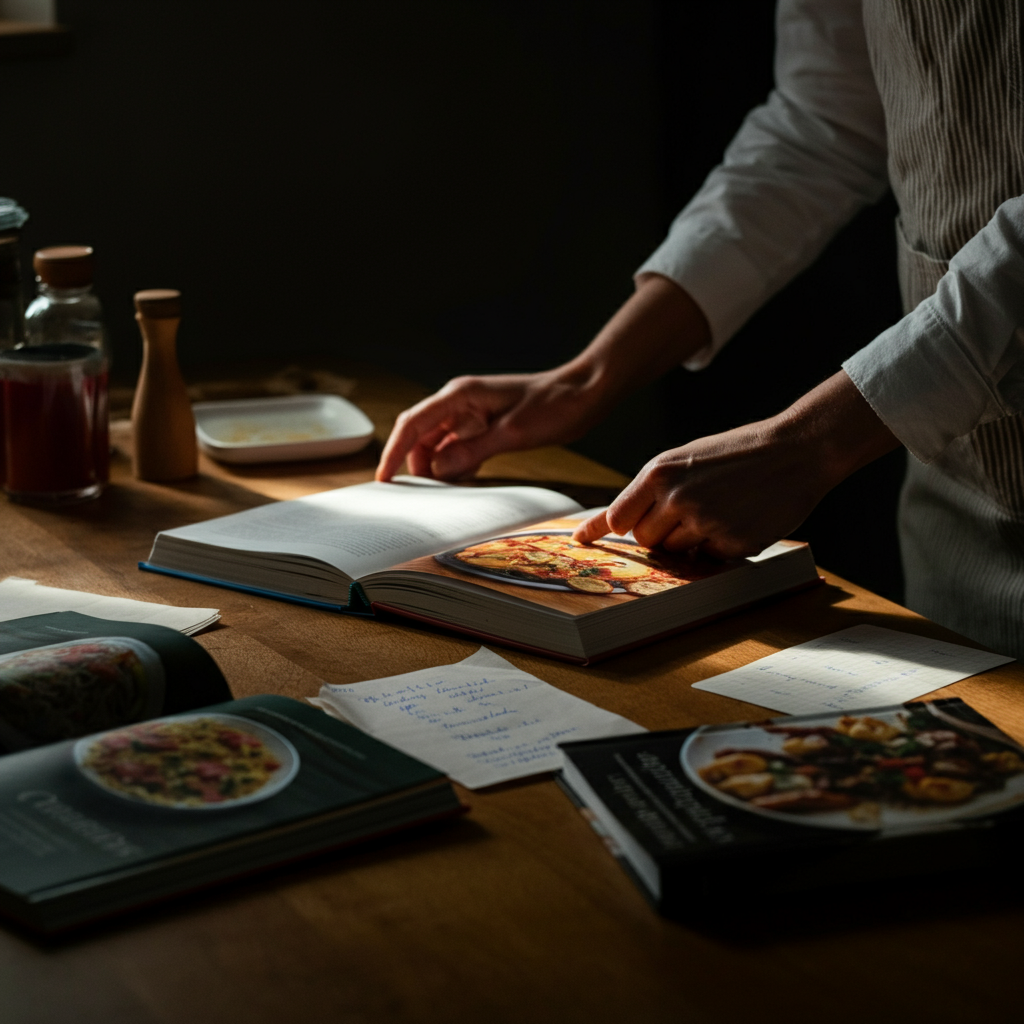
The heart of any feast day is the food and drink. Consider the theme of the feast day and choose dishes that align with its traditions or significance. If it's a religious holiday, research traditional recipes associated with that day. If it's a personal milestone, prepare your favorite dishes or those that have special meaning to you. Don't forget to include a variety of options to cater to different tastes and dietary restrictions. Always inquire about potential food allergies from your invited guests beforehand. Plan your beverages accordingly, from festive drinks to simple refreshments.
Step 2: Inventory Decorations and Supplies
Assess and Organize Decorations
Decorations set the mood for your feast day. Start by taking inventory of any decorations you already own that are suitable for the occasion. Consider the color scheme, theme, and overall aesthetic you want to create. Think about what aspects of the day you want to emphasise, and what visual symbols are most representative of the event. Do you need to purchase additional decorations, such as banners, tablecloths, candles, or flowers? Make a list and prioritize items based on their impact and your budget. Remember, decorations don't have to be elaborate; even simple touches can make a big difference.

Step 3: Create Your Guest List
Compile a List of Attendees
Decide who you want to share your feast day with. Consider family, friends, colleagues, or members of your community who are important to you and would appreciate being included in the celebration. Think about the size of your venue and the number of people you can comfortably accommodate. Be mindful of any potential conflicts or sensitivities when creating your guest list. It's better to have a smaller, more intimate gathering than a large, impersonal one.

Step 4: Send Out Invitations
Dispatch Invitations Well in Advance
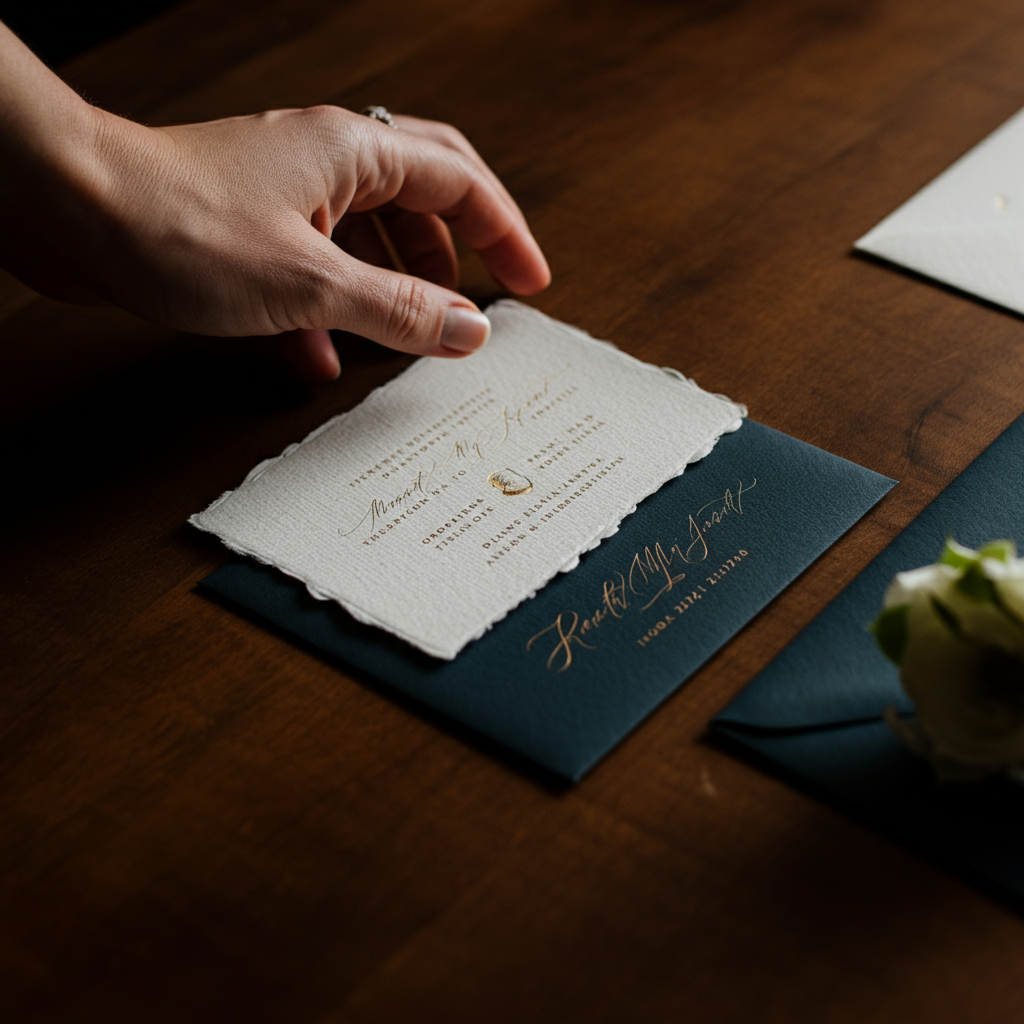
Once you have your guest list, send out invitations well in advance of the feast day. This gives people ample time to plan and RSVP. Include all the necessary details, such as the date, time, location, and any specific instructions or requests (e.g., dress code, potluck contributions). You can send invitations by mail, email, or through a digital invitation platform. Be sure to set an RSVP deadline so you can finalize your arrangements. Follow up with guests who haven't responded as the deadline approaches.
Step 5: Procure Remaining Items
Purchase Additional Decorations and Supplies
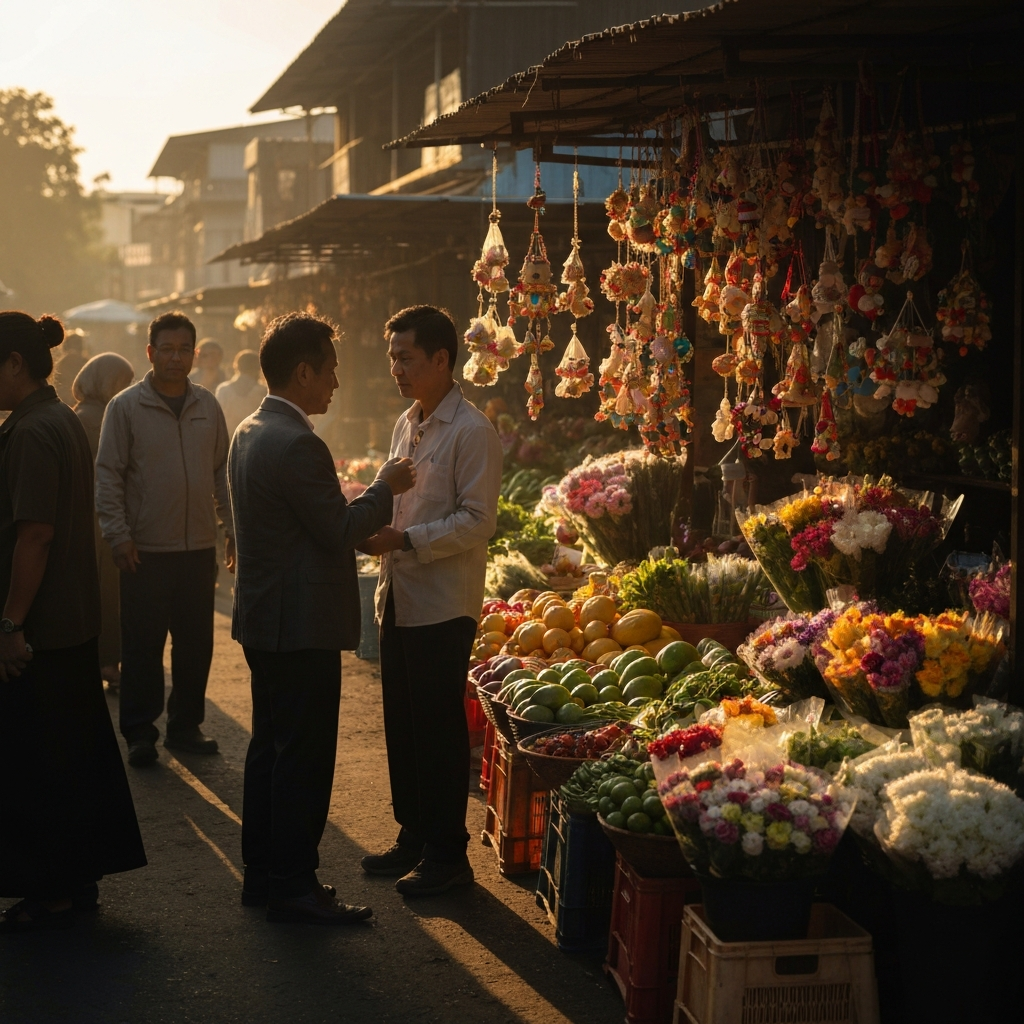
With your guest list finalized and RSVPs collected, it's time to purchase any remaining decorations, food items, or supplies you need for the feast day. Check your inventory and make a list of what's still missing. Shop around for the best prices and consider buying in bulk if necessary. Don't wait until the last minute, as some items may be out of stock or require special ordering. Remember to factor in transportation and storage considerations when purchasing large or perishable items.
Safety Considerations
If you are serving alcohol, be careful that your guests to not drive home under the influence. Arrange for designated drivers, offer to call taxis or ride-sharing services, or provide accommodations for guests who need to stay overnight. It is always better to be safe than sorry when it comes to alcohol consumption and transportation. Ensure any food that needs refrigeration is stored properly, and prepared food does not sit out at room temperature for more than two hours.
Conclusion
Celebrating a feast day is a wonderful way to honor traditions, connect with loved ones, and create lasting memories. By following these steps, you can plan a meaningful and enjoyable celebration that reflects the significance of the occasion. Remember to focus on the spirit of togetherness, embrace the traditions, and savor the moments. With careful planning and attention to detail, your feast day will be a truly special and unforgettable event.