Cancelling a confirmed holiday can be a stressful situation, involving potential financial loss and logistical hurdles. Whether due to unforeseen circumstances, a change of heart, or simply finding a better deal, knowing how to navigate the cancellation process is crucial. This comprehensive guide provides a structured approach to cancelling your confirmed holiday, minimizing losses and maximizing your chances of a smooth resolution.
The process varies depending on the type of booking (flights, accommodation, package holidays), the booking provider, and the specific terms and conditions you agreed to upon purchase. Therefore, careful research and proactive communication are key to a successful cancellation. Ignoring the terms and conditions is the most common and costly mistake people make.
This guide will walk you through each step, from reviewing your booking details to negotiating with providers and understanding your rights. We'll also cover common pitfalls and provide practical tips to help you navigate the often-complex world of holiday cancellations.
Step 1: Review Your Booking Confirmation and Terms & Conditions
Understanding Your Contract
The first and most critical step is to thoroughly review your booking confirmation and the terms and conditions associated with your holiday. This document outlines the cancellation policy, including any fees, deadlines, and specific procedures you need to follow. Pay close attention to the section detailing cancellation fees and refund eligibility. These policies can vary dramatically between providers, so what applies to one booking might not apply to another. Note the booking reference number, dates of travel, and any contact information provided.

Step 2: Contact Your Travel Provider(s) Immediately
Initiating the Cancellation Process
Once you've reviewed your booking details, contact your travel provider(s) – whether it's the airline, hotel, tour operator, or a combination thereof – as soon as possible. The sooner you initiate the cancellation process, the better your chances of receiving a partial or full refund. Document all communication, including dates, times, names of representatives, and the content of your conversations. This documentation can be invaluable if disputes arise later. Use the official phone number or email address listed on your booking confirmation.

Step 3: Understand Your Rights and Potential Refunds
Knowing Your Legal Position
Depending on the circumstances surrounding your cancellation, you may be entitled to certain rights and refunds. For example, if the cancellation is due to unavoidable and extraordinary circumstances (such as natural disasters or political unrest at your destination), your provider may be obligated to offer a full refund or alternative arrangements. Similarly, consumer protection laws may provide additional safeguards. Research your rights based on your location and the location of the travel provider. Consider consulting with a consumer rights organization or legal professional if you believe your rights have been violated.

Step 4: Explore Travel Insurance Options
Leveraging Your Insurance Policy
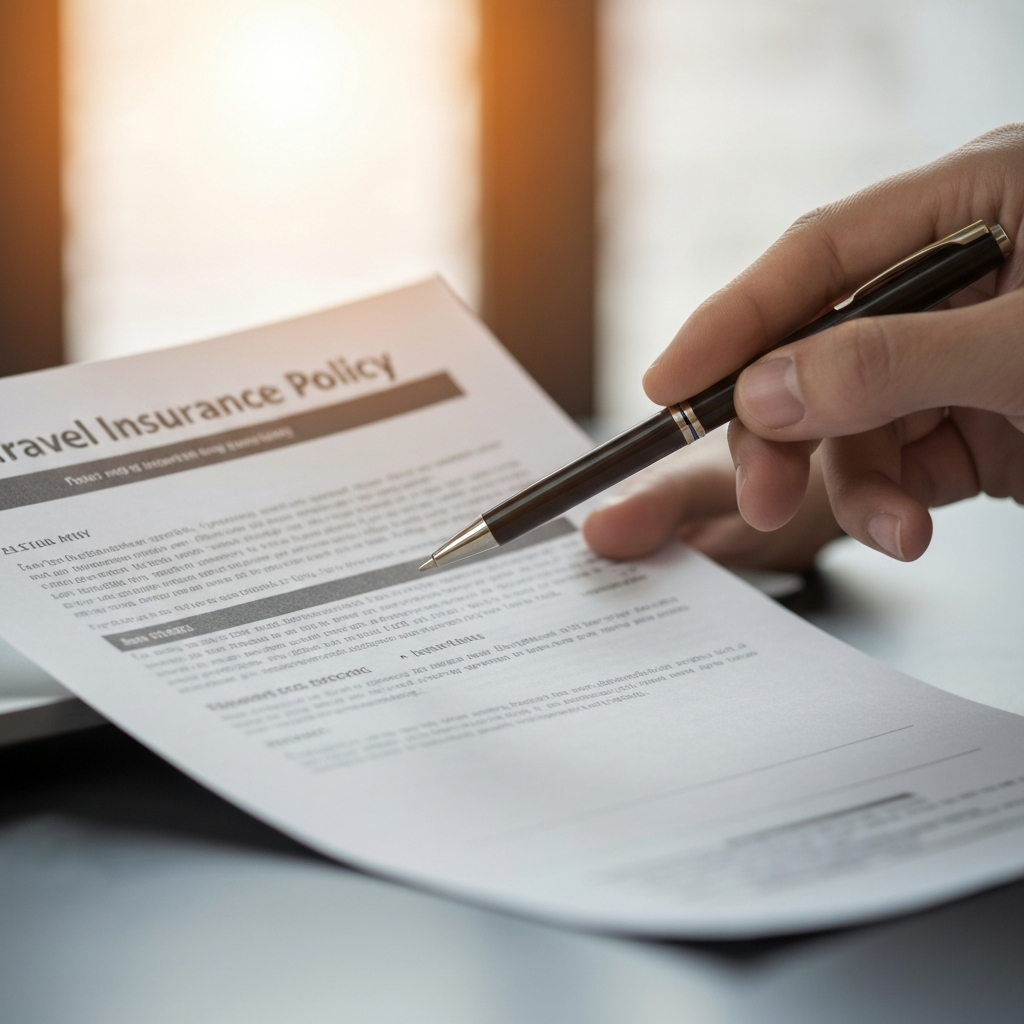
If you purchased travel insurance, review your policy to determine if your reason for cancellation is covered. Common covered reasons include illness, injury, and family emergencies. If your reason is covered, file a claim with your insurance provider, providing all necessary documentation, such as medical reports or death certificates. Be aware that travel insurance policies often have exclusions and limitations, so carefully review the fine print. Ensure that you meet the claim submission deadlines specified in your policy.
Step 5: Negotiate with Your Provider
Seeking Alternative Solutions
Even if your cancellation reason isn't explicitly covered by the terms and conditions or your travel insurance, it's worth negotiating with your provider to explore alternative solutions. This might involve rescheduling your holiday, transferring your booking to another person, or receiving a partial refund. Be polite, persistent, and clearly explain your situation. Offering to accept a credit for future travel may also increase your chances of a favorable outcome. Remember to get any agreed-upon changes or refunds in writing.

Step 6: Escalating Your Complaint (If Necessary)
Seeking External Assistance
If you're unable to resolve the issue directly with your travel provider, consider escalating your complaint to a relevant consumer protection agency or industry ombudsman. Many countries and regions have specific bodies that handle travel-related complaints. Provide them with all relevant documentation, including your booking confirmation, terms and conditions, communication records, and any supporting evidence. Before escalating, ensure you've exhausted all internal complaint procedures with the travel provider.

FAQ Section
Frequently Asked Questions
Q: What happens if I cancel my flight close to the departure date?
A: Cancellation fees typically increase as you get closer to the departure date. You may receive a minimal refund or no refund at all, depending on the airline's policy.
Q: Can I cancel a non-refundable hotel booking?
A: While the terms may state "non-refundable," it's always worth contacting the hotel to see if they're willing to make an exception, especially if you have a valid reason for cancelling.
Q: What are my rights if the travel provider cancels my holiday?
A: You are generally entitled to a full refund or alternative travel arrangements.
Conclusion
Cancelling a confirmed holiday is rarely a pleasant experience, but by following these steps, you can minimize your financial losses and navigate the process more effectively. Remember to review your booking details carefully, communicate promptly with your providers, understand your rights, and explore all available options. Proactive communication and thorough documentation are your best allies in achieving a favorable outcome. Always read the fine print before booking any travel arrangements.