Being an aunt or uncle is a special role. You have the opportunity to build a unique bond with your nieces and nephews, offering a different kind of support and mentorship than their parents. You get to be the "fun" one, the one who introduces them to new experiences and offers a different perspective. But navigating this role can be tricky. The key is to strike a balance between being the cool aunt or uncle and respecting the parents' rules and values. You want to create a lasting, positive relationship without stepping on any toes.
Many new aunts and uncles stumble because they focus too much on being the "fun" one, neglecting the crucial aspect of respecting the parents' authority. This can lead to conflict and ultimately limit the time you get to spend with your niece or nephew. On the other hand, some are so worried about overstepping that they become distant and uninvolved, missing out on the chance to forge a meaningful connection.
This guide will provide you with practical steps and expert advice on how to be the cool aunt or uncle while maintaining a healthy and respectful relationship with the parents. It's about finding that sweet spot where everyone wins: you build a strong bond, your niece or nephew feels loved and supported, and the parents appreciate your involvement in their child's life.
Step 1: Open Communication is Key
Establish Expectations with the Parents
Before you dive into planning fun outings and buying exciting gifts, the most important step is to have an open and honest conversation with your niece or nephew's parents. Talk about your role in their child's life, your intentions, and your understanding of their parenting style. This conversation sets the foundation for a healthy relationship and avoids misunderstandings down the line. For example, mention activities you would like to do with their child and receive feedback.
During this conversation, be sure to listen actively to their concerns and expectations. Ask specific questions like, "What are your biggest concerns about [niece/nephew] spending time with me?" or "Are there any topics that are off-limits for discussion?" Understanding their boundaries upfront is crucial for avoiding conflict later. Do not assume that because you are related, you automatically understand their parenting choices. Assumptions lead to problems.

Step 2: Know the Rules of the House
Respect Their Parenting Guidelines
Every family has its own set of rules and guidelines. Whether it's bedtime, screen time, dietary restrictions, or discipline methods, it's essential to know and respect the parents' rules. Treating these guidelines as optional is a surefire way to alienate the parents and potentially undermine their authority. Following their rules also teaches your niece or nephew respect for authority and consistency, which are valuable life lessons.
Before any outing or extended time spent together, ask the parents for a clear list of rules and expectations. Don't be afraid to ask clarifying questions if anything is unclear. If you disagree with a particular rule, avoid criticizing it directly to the child. Instead, discuss your concerns privately with the parents. Remember, you are an important role model in their life.

Step 3: Choose Age-Appropriate Activities
Plan Activities That Align with Their Development
Being a cool aunt or uncle doesn't necessarily mean spending a lot of money or doing extravagant things. Often, the most memorable experiences are simple, age-appropriate activities that foster connection and create lasting memories. Consider your niece or nephew's age, interests, and developmental stage when planning activities. For younger children, simple activities like playing games, reading books, or going to the park are great options. For older children and teenagers, consider activities like going to a concert, visiting a museum, or trying a new sport.
Avoid activities that are overly stimulating, dangerous, or inappropriate for their age. This is where that open communication with the parents comes into play. If you're unsure about whether an activity is appropriate, always ask first. A common mistake is assuming teenagers are ready for adult conversations and topics when, developmentally, they still need guidance.

Step 4: Active Listening and Meaningful Conversations
Connect on a Deeper Level
One of the best ways to be a cool aunt or uncle is to truly listen to your niece or nephew. Create a safe space where they feel comfortable sharing their thoughts, feelings, and experiences without judgment. Ask open-ended questions that encourage them to elaborate and express themselves. For example, instead of asking "Did you have a good day at school?" try asking "What was the most interesting thing that happened at school today?"
When they are talking, put away your phone, make eye contact, and actively listen to what they are saying. Resist the urge to interrupt or offer unsolicited advice. Sometimes, all they need is someone to listen without judgment. Meaningful conversations are invaluable.
Step 5: Respect Their Individuality
Embrace Their Interests and Passions
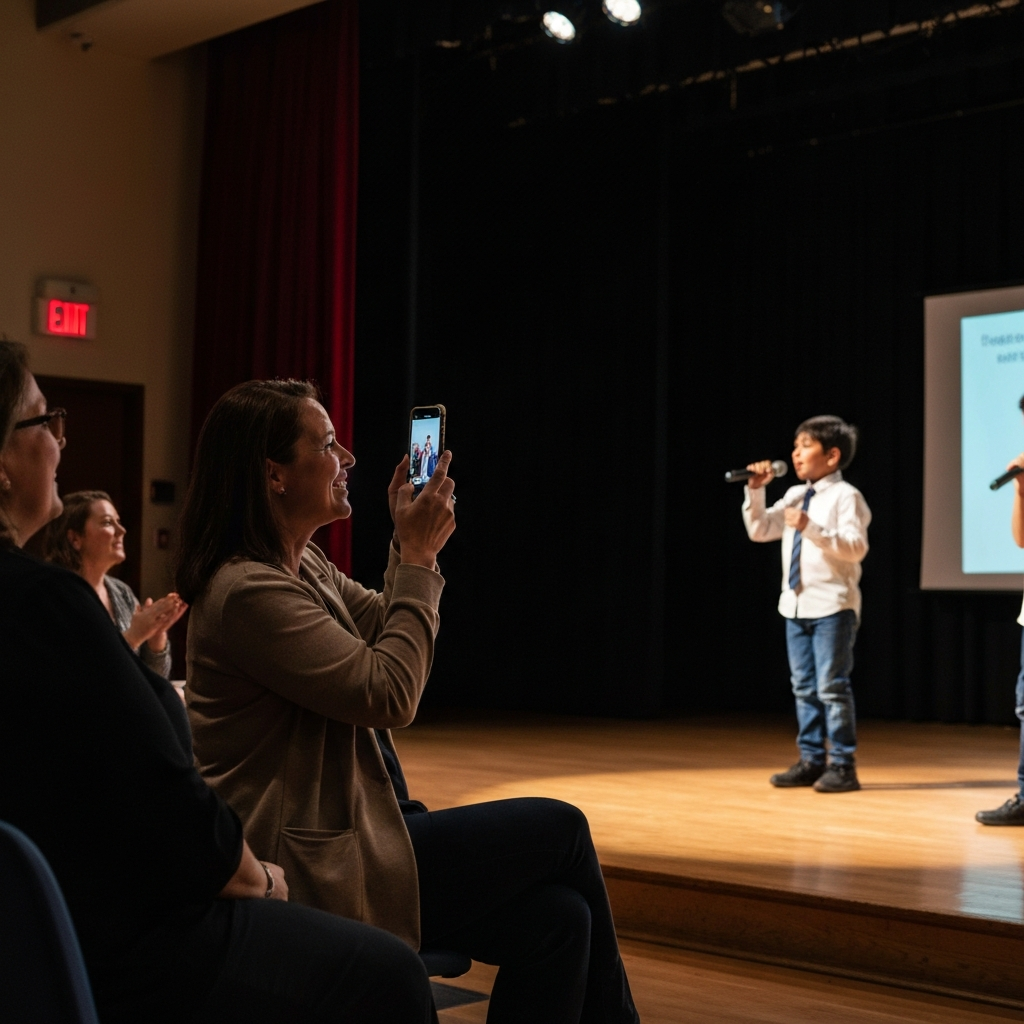
Every child is unique, with their own interests, passions, and quirks. Being a cool aunt or uncle means embracing their individuality and supporting their unique talents and interests. Take the time to learn about what they love, whether it's sports, music, art, or science. Attend their games, concerts, or recitals to show your support. Ask them about their favorite books, movies, or video games.
Even if you don't share their interests, show genuine curiosity and enthusiasm. This will make them feel seen, heard, and valued. Do not try to force your interests on them or dismiss their passions as silly or unimportant. Support their endeavors with encouragement and understanding.
Step 6: Be a Reliable and Consistent Presence
Show Up and Be There for Them
Consistency is key to building a strong and lasting relationship with your niece or nephew. Make an effort to be a reliable presence in their lives, even if it's just through small gestures. Remember their birthdays, send them encouraging notes, or offer to help with homework. Attend their school events, sporting activities, or extracurriculars. Make it clear that you are someone they can count on.
Life gets busy, but try to prioritize spending quality time with your niece or nephew. Schedule regular visits, outings, or phone calls to stay connected. Even a short, meaningful interaction can make a big difference. Consistency is invaluable and shows commitment.

Step 7: Gifts with Thoughtfulness
Gift-Giving Considerations
Giving gifts can be a fun way to show your love and appreciation for your niece or nephew. However, it's important to choose gifts that are thoughtful, age-appropriate, and aligned with the parents' values. Don't feel pressured to buy extravagant or expensive gifts. Often, the most meaningful gifts are those that are personalized or reflect their interests. Think about what they enjoy doing, what they need, or what would make their life a little easier or more enjoyable.
Experiences can be even more valuable than material gifts. Consider giving them a gift certificate for a fun activity, like going to a concert, visiting a museum, or taking a cooking class. You can also create a personalized gift basket with items that reflect their interests. Remember to check with the parents before buying any big or potentially controversial gifts.
Common Mistakes to Avoid
- Undermining the Parents: This is the biggest mistake you can make. Never criticize the parents in front of the child or contradict their rules.
- Playing Favorites: Treat all of your nieces and nephews equally, even if you have a closer relationship with one than the others.
- Overstepping Boundaries: Respect the parents' privacy and avoid asking intrusive questions.
- Being Inconsistent: Make sure to follow through on your promises and be a reliable presence in their lives.
- Ignoring the Parents' Values: Always respect the parents' values, even if you don't agree with them.
FAQ Section
- Q: What if I disagree with the way the parents are raising their child?
- A: Unless the child is in danger, it's best to keep your opinions to yourself. Offer support and understanding, but avoid criticizing their parenting choices.
- Q: How do I handle it if my niece/nephew complains about their parents to me?
- A: Listen empathetically, but avoid taking sides. Remind them that their parents love them and are doing their best.
- Q: What if I accidentally break one of the parents' rules?
- A: Apologize sincerely and promise to be more careful in the future. Honesty is always the best policy.
Conclusion
Being a cool aunt or uncle is a rewarding experience that can enrich your life and the lives of your nieces and nephews. By following these guidelines, you can build a strong and lasting bond while maintaining a healthy and respectful relationship with the parents. Remember, it's about finding a balance between being fun and supportive, while always respecting the parents' authority and values. Your presence will be a positive influence in their lives, creating lasting memories and support.