Adinkra symbols are visual representations of concepts and proverbs, originating from the Bono people of Ghana and the Ivory Coast. Adopted by the Akan people after the Asante-Bono war, these symbols have become deeply embedded in Ghanaian culture, appearing in artwork, textiles, and architectural designs. They serve not merely as decoration, but as potent communicators of historical, philosophical, and cultural values.
These symbols offer insight into Akan worldviews, covering a vast spectrum of topics from ethical conduct and social relationships to spiritual beliefs and the natural world. Understanding Adinkra provides a unique lens through which to appreciate the richness and complexity of Akan culture. This guide will explore some of the most prominent Adinkra symbols, unraveling their meanings and demonstrating their continued relevance in contemporary society.
Adinkra symbols offer an aesthetic and philosophical depth, and their understanding enriches our appreciation for African artistic and cultural traditions. This guide will help you not only recognize these powerful symbols but also understand their meanings and context.
Step 1: Understanding the Origins of Adinkra
Adinkra symbols are more than just decorative motifs; they are a visual language rooted in the history and philosophy of the Akan people. These symbols originated in Gyaman, a former kingdom in Ghana, with early examples linked to Nana Kofi Adinkra, the king of Gyaman. Initially, Adinkra cloth was associated with funerary rituals, specifically worn to express sorrow after capture. Over time, their use expanded to encompass a wider range of special occasions and celebrations. Today, Adinkra symbols can be found everywhere from traditional cloth to modern logos, reflecting their enduring significance. The word "Adinkra" itself means "goodbye" or "farewell" in the Twi dialect spoken by the Akan people.
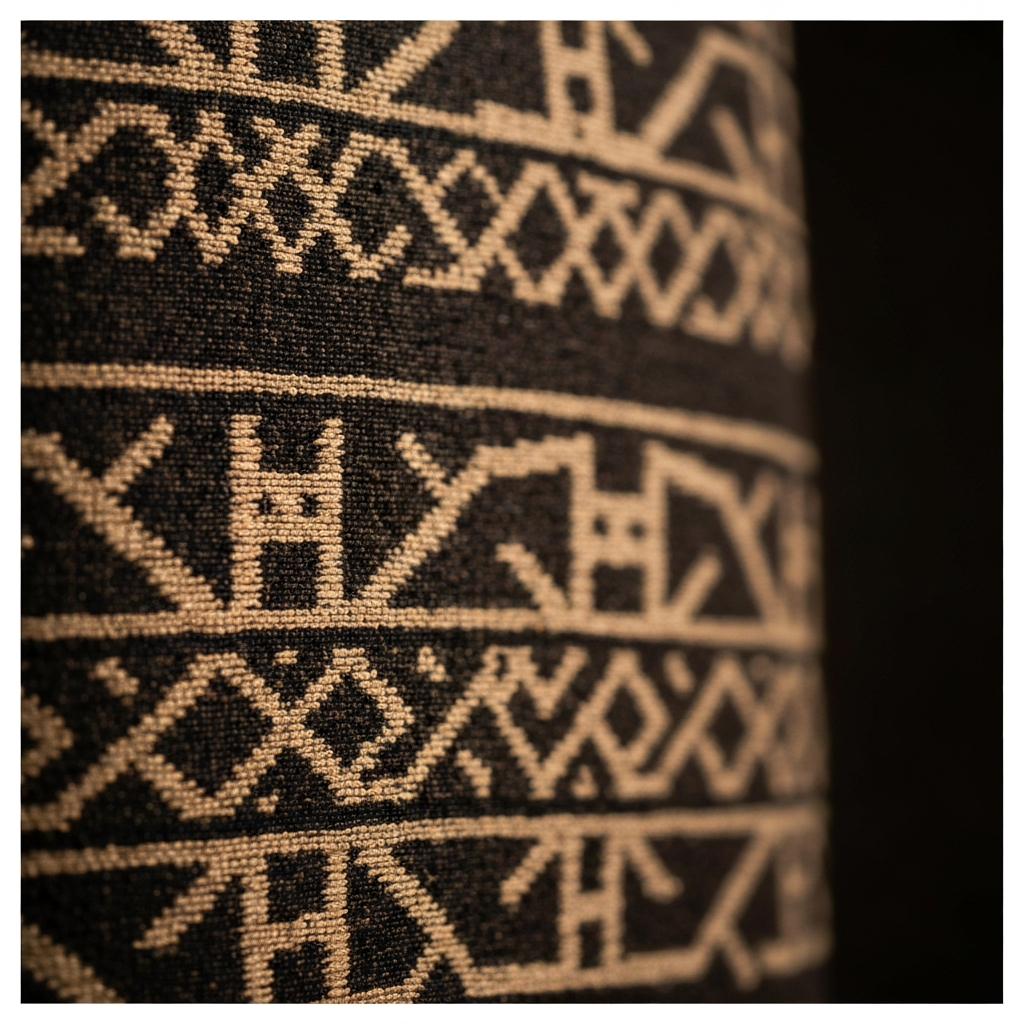
Step 2: Recognizing and Interpreting Common Adinkra Symbols: Adinkrahene
One of the most prominent and foundational Adinkra symbols is Adinkrahene, often referred to as the "king" or "chief" of all Adinkra symbols. It symbolizes leadership, charisma, and greatness. Adinkrahene is associated with royalty and authority, often appearing in traditional pottery, fabrics, and even architectural designs. It’s considered the primary symbol from which all other Adinkra are believed to have originated. Recognizing this symbol and understanding its association with leadership is key to interpreting the broader meaning of Adinkra.
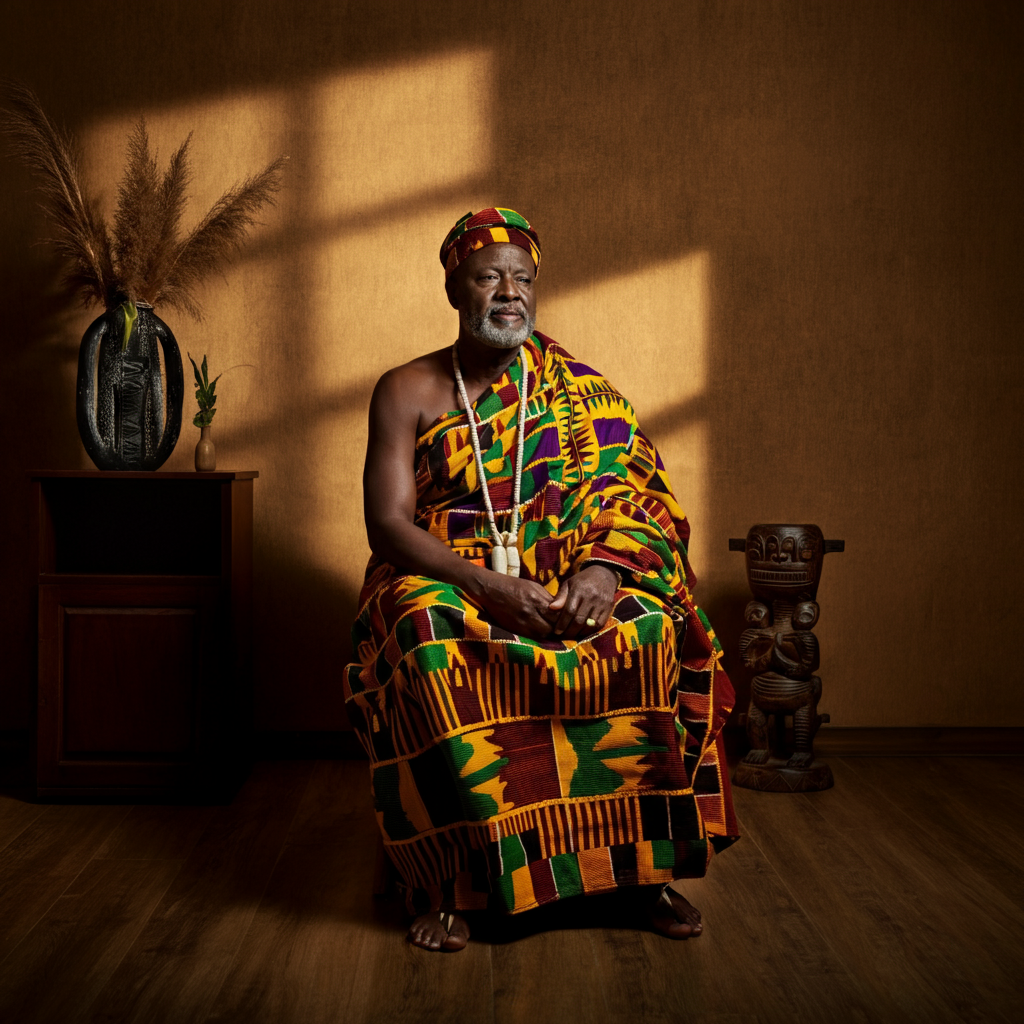
Step 3: Recognizing and Interpreting Common Adinkra Symbols: Gye Nyame
Gye Nyame is arguably the most widely recognized Adinkra symbol, translating to "Except for God." It represents the omnipotence and supremacy of God in all matters. The symbol is inspired by the Akan proverb, "This great panorama of creation dates back to time immemorial, no one lives who saw its beginning and no one will live to see its end, except God." This symbol underscores the Akan people's deep spiritual beliefs and reliance on a higher power. Gye Nyame is frequently used in both religious and secular contexts, serving as a constant reminder of faith and divine providence.
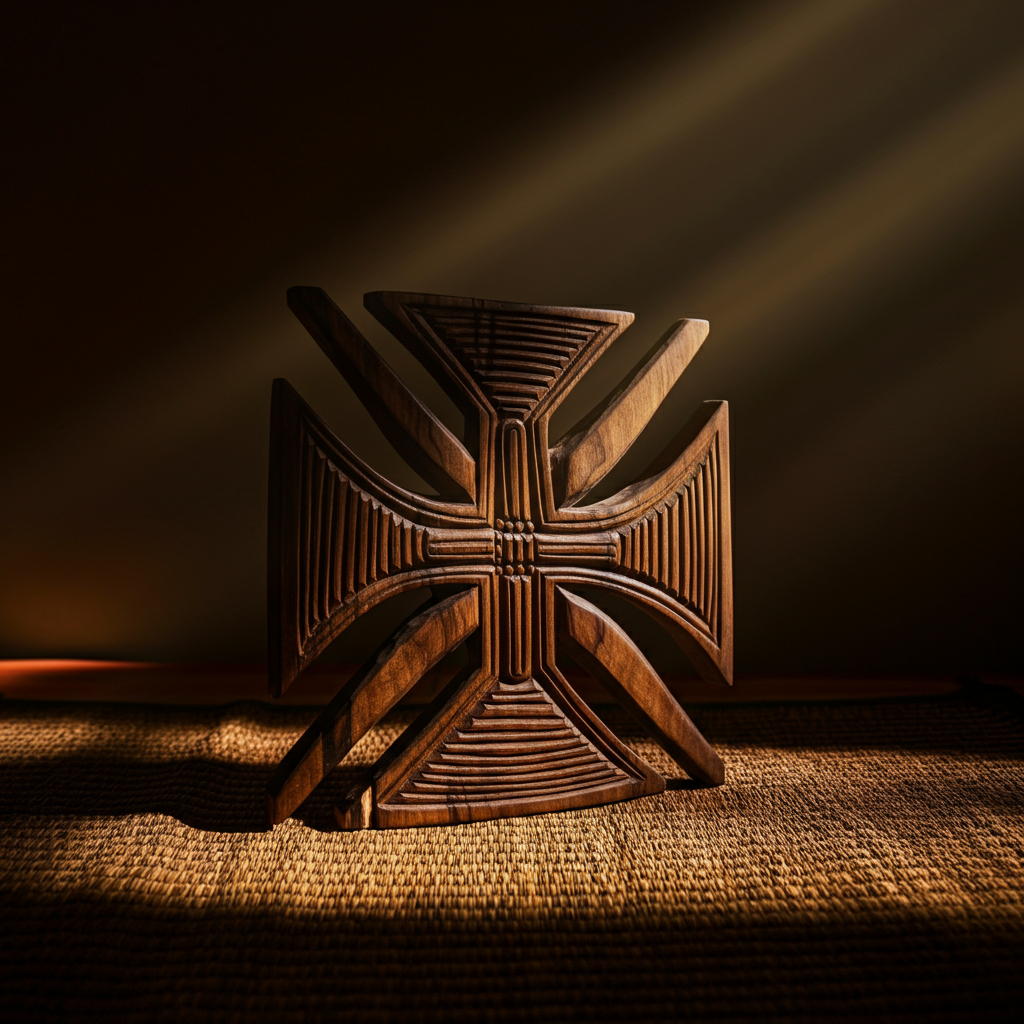
Step 4: Recognizing and Interpreting Common Adinkra Symbols: Sankofa
Sankofa, often depicted as a bird looking backward with an egg in its mouth or a stylized heart, carries the powerful message of learning from the past to build a better future. The word "Sankofa" translates to "Go back and get it" in the Twi language. This symbol serves as a constant reminder that past mistakes are never too significant to be undone and that wisdom can be found by revisiting history. It’s particularly meaningful for the African diaspora, encouraging individuals to reconnect with their heritage.

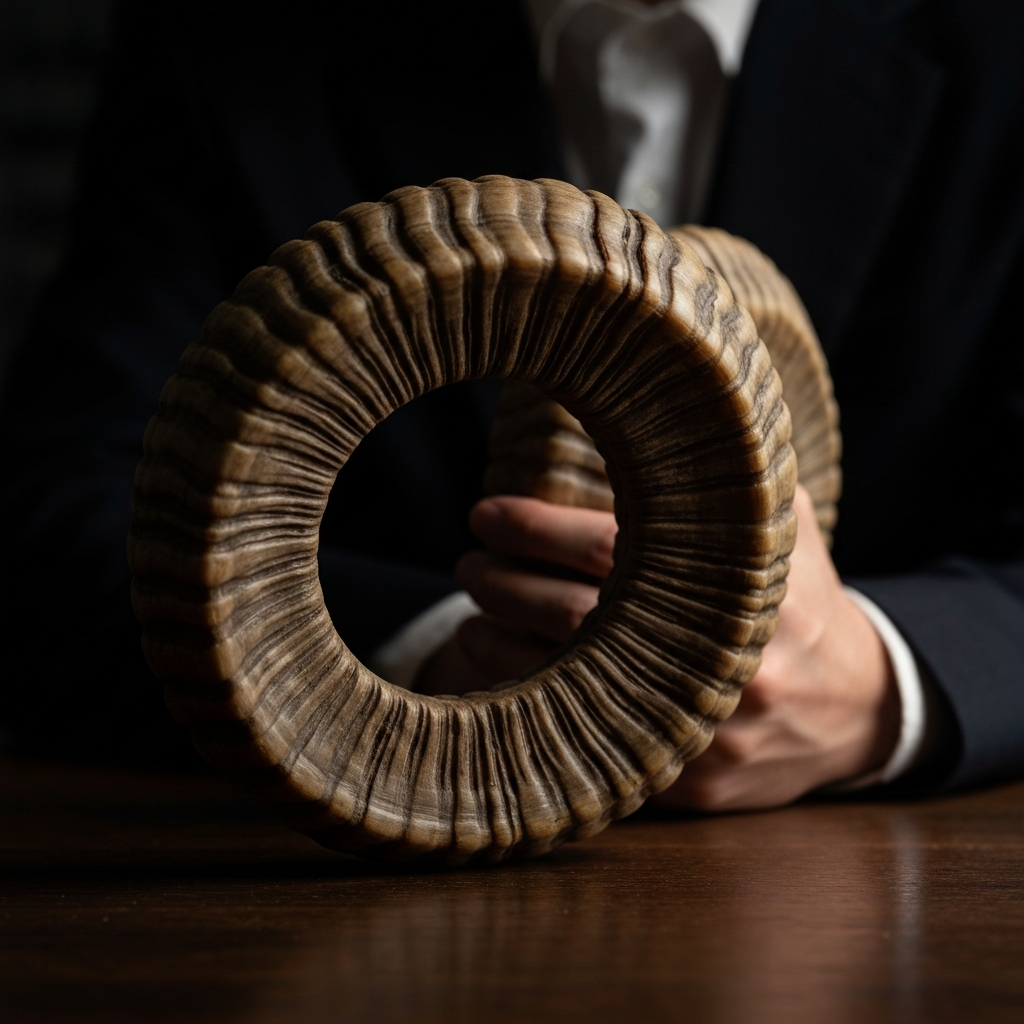
Step 5: Recognizing and Interpreting Common Adinkra Symbols: Dwennimmen
Dwennimmen, signifying "ram's horns," represents strength in mind, body, and soul. It symbolizes humility, wisdom, and learning. The symbol reflects the idea that even the strong should possess humility and that true strength often involves embracing knowledge and seeking understanding. The image of the ram, which fights fiercely before succumbing, highlights the connection between strength and resilience.
Step 6: Recognizing and Interpreting Common Adinkra Symbols: Funtumfunefu Denkyemfunefu
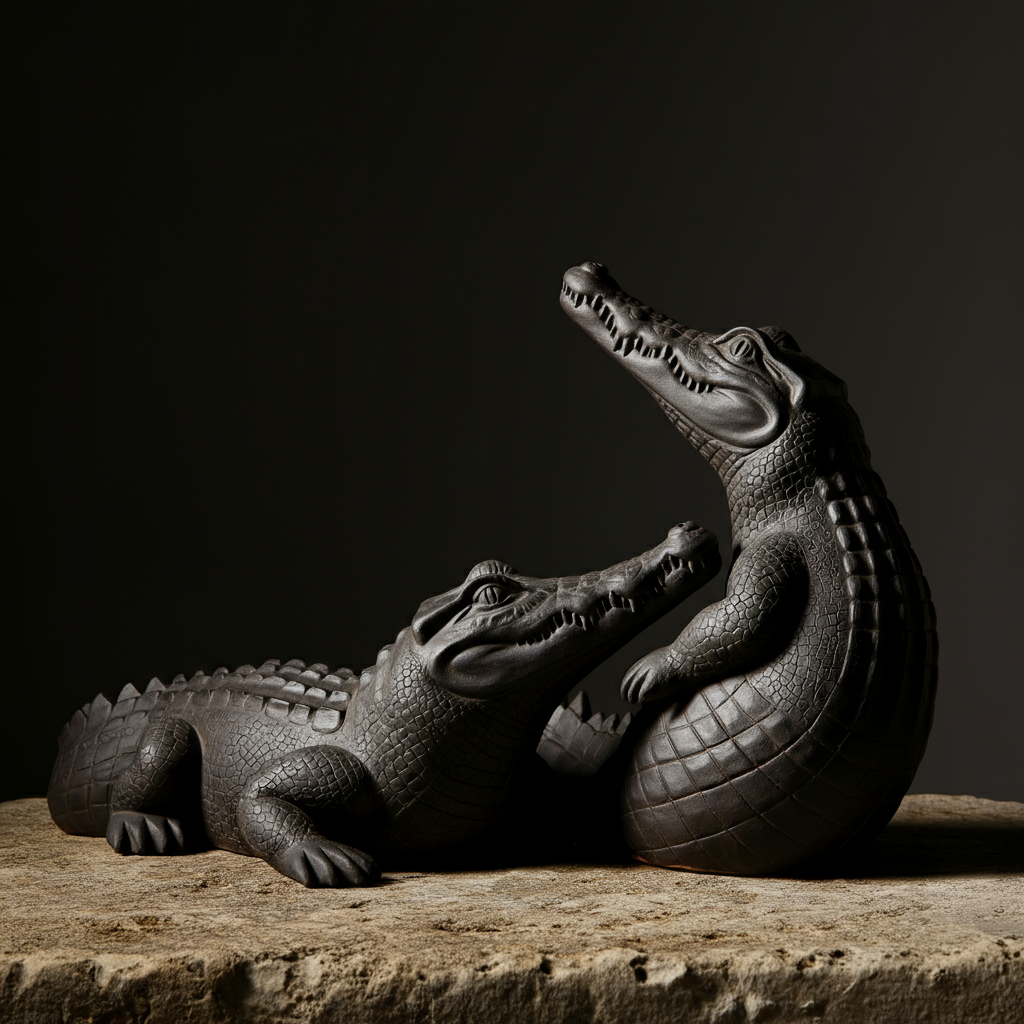
Funtumfunefu Denkyemfunefu is a striking symbol representing unity and diversity. Depicted as two crocodiles sharing one stomach, it highlights the shared destiny of humanity despite its many cultural differences. This symbol serves as a reminder that cooperation and understanding are essential for harmonious coexistence. It promotes the idea that despite our diverse backgrounds, we are all interconnected and share a common humanity.
Step 7: Recognizing and Interpreting Common Adinkra Symbols: Nkyinkyim
Nkyinkyim, meaning "twisting," symbolizes the ups and downs of life. This symbol represents the unpredictable nature of existence and the importance of initiative, dynamism, and versatility in navigating life's challenges. Nkyinkyim also signifies prudence, balance, and vigilance, reminding us to approach life with careful consideration and adaptability. It is linked to the Akan proverb "Life is what you make of it."

Step 8: Recognizing and Interpreting Common Adinkra Symbols: Denkyem
Denkyem, the crocodile symbol, represents adaptability and cleverness. It is based on the proverb, "The crocodile lives in the water, yet breathes the air." The denkyem symbol is a reminder to be flexible in life, so you can make your way in and out of any situation that arises. This illustrates the importance of resourcefulness and the ability to thrive in diverse environments.

Step 9: Recognizing and Interpreting Common Adinkra Symbols: Nea Onnim
Nea Onnim represents knowledge and learning. Nea Onnim means “he who does not know,” but the full version is "Nea onnim no sua a, ohu," which means “he who does not know can know from learning.” It remains a symbol of lifelong education and the quest for knowledge. Never stop trying to learn.
Step 10: Recognizing and Interpreting Common Adinkra Symbols: Nsoromma
Nsoromma is a symbol of guardianship. It is the Akan word meaning “star,” and translates to “child of the heavens.” Nsoromma reinforces faith in a child’s dependency on a parent and in God and is also associated with love, bonding, and faithfulness in marriage. It speaks to the importance of family and devotion.
Tools or Materials Required (for making Adinkra cloth)
- Adinkra cloth (traditionally woven cotton)
- Bark dye (for outlining squares)
- Calabash gourd stamps (carved with Adinkra symbols)
- Ink (traditionally black or reddish-brown, now available in multiple colors)
- Stamping pad
Common Mistakes to Avoid
- Misinterpreting symbols: Each symbol carries a specific meaning, and it's crucial to understand the context and avoid generalizations.
- Oversimplifying their meaning: Adinkra symbols are rich in cultural and philosophical nuances.
- Using the symbols out of context: Respect the cultural significance and avoid using them inappropriately.
FAQ Section
Q: What religion do Adinkra symbols fall under?
A: Adinkra symbols are emblems of the Akan people of Ghana. The Akan mostly reside in southern and central Ghana and the southeastern part of the Ivory Coast. The symbols have traditionally been used within the indigenous Akan religion, while today most Akans are Christian, with a Muslim minority among them.
Q: Who is the god in the Akan religion?
A: The Akan indigenous religion believes in a supreme being called Onyame. Onyame’s other names reflect their best qualities, including Amosu, Giver of Rain, Amowia, Giver of the Sun, and Amaomee, Giver of Plenitude. Onyame is thought to be female and is associated with the moon. Within this polytheistic religion, Onyame is joined by Onyankopon, who is male and associated with the sun. Odomankoma is the 3rd god in the religion who joins Onyame and Onyankopon into one.
Q: What are Adinkra codes?
A: Adinkra symbols often act as a graphic representation of certain codes. These codes depict the mathematical relationship between certain objects. The symbols do this by starting with squares, cubes, and other geometric shapes. The structure within the symbol uses patterns that go by certain rules. For instance, white dots and black dots cannot share the same vertical position, so black dots cannot appear to be as high as white dots. The purpose of codes is to help the symbols communicate a complex idea through a simple image.
Conclusion
Adinkra symbols are more than just attractive designs; they represent the core values and beliefs of the Akan people. By understanding the meaning behind these symbols, we can gain a deeper appreciation for Ghanaian culture and its contribution to the world's artistic and philosophical traditions. Remember that Adinkra symbols are not static representations but rather living expressions of a dynamic cultural heritage. Their continued use in contemporary society testifies to their enduring power and relevance.